[History] 9. 은(銀)의 저주: 스페인 제국을 무너뜨린 포토시 은광의 비밀 (The Curse of Silver: The Secret of Potosí Silver Mine that Collapsed the Spanish Empire)
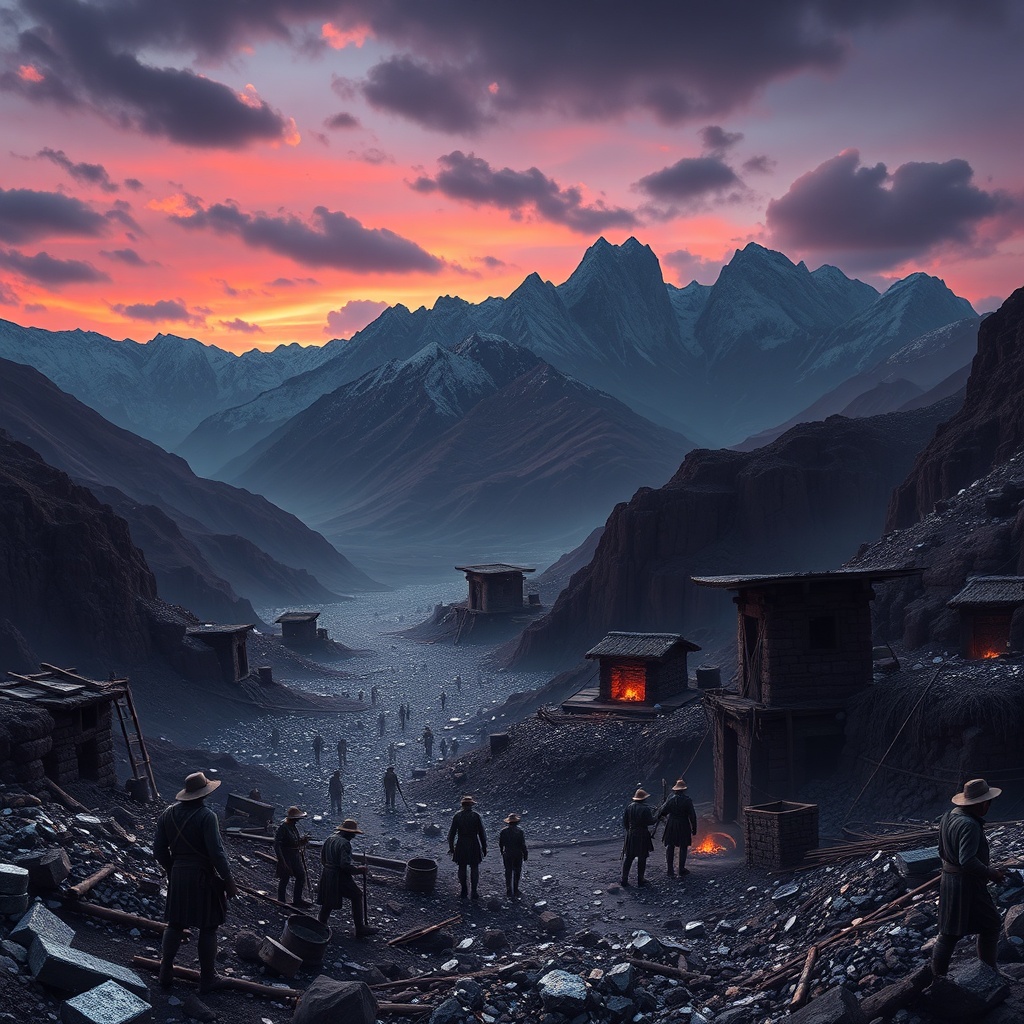
스페인 하면 '무적함대', '대항해시대', 그리고 신대륙에서 가져온 막대한 황금과 은을 떠올리실 겁니다. 화려했던 16세기, 스페인은 그 누구도 넘볼 수 없는 강력한 제국처럼 보였죠. 하지만, 만약 그 엄청난 부가 오히려 독이 되어 제국을 병들게 하고 결국 몰락시켰다면 믿으시겠습니까? 🤔 오늘은 역사의 아이러니가 빚어낸, 신비로운 안데스 산맥 속 은빛 저주를 품은 광산 이야기로 여러분을 초대합니다. 이 이야기는 우리가 흔히 아는 역사 교과서에는 잘 나오지 않는, 숨겨진 진실에 대한 흥미로운 여정이 될 것입니다. 📜
안데스, 은빛 제국의 심장을 품다 🌍
이야기는 16세기 중반, 지금의 볼리비아 지역인 안데스 산맥 깊은 곳에서 시작됩니다. 당시 스페인 탐험가들은 전설처럼 내려오던 거대한 은광을 마침내 발견하는데, 그곳이 바로 '세로 리코(Cerro Rico)', 즉 '부유한 산'이라 불리게 된 포토시 은광이었습니다. 이 광산은 말 그대로 은의 보고였죠. 상상할 수 없을 만큼 엄청난 양의 은이 쏟아져 나오기 시작했고, 포토시는 순식간에 신대륙에서 가장 거대하고 번성하는 도시로 탈바꿈했습니다.
스페인 왕실은 이 은을 기반으로 유럽의 강대국으로 우뚝 섰습니다. 왕실 금고는 은으로 가득 찼고, 스페인은 이를 바탕으로 무적함대를 건설하고, 유럽 전역에서 벌어지는 전쟁에 막대한 자금을 쏟아부을 수 있었습니다. 포토시 은광은 문자 그대로 스페인 제국의 심장 역할을 했죠. 하지만 이 심장이 뛰는 방식은 점차 기이하게 변하기 시작했습니다.
흘러넘친 은, 제국을 병들게 하다 💥
포토시에서 채굴된 은은 대서양을 건너 스페인으로 물밀듯이 들어왔습니다. 처음에는 부의 상징이었지만, 그 양이 너무나도 막대했던 것이 문제였습니다. 경제학에서 말하는 '화폐 수량설'을 떠올려보세요. 시장에 돈이 너무 많이 풀리면 그 돈의 가치는 떨어지고, 물가는 폭등하게 됩니다. 이것이 바로 '가격 혁명'이라 불리는 현상으로, 스페인은 전례 없는 극심한 인플레이션에 시달리기 시작했습니다.
식료품 가격은 천정부지로 치솟았고, 일반 백성들의 삶은 피폐해졌습니다. 스페인은 자국 내에서 물건을 생산하기보다는, 값싸고 질 좋은 외국 상품을 은으로 사 오는 것이 더 이득이라고 생각했습니다. 결과는 어땠을까요? 스페인의 국내 산업은 경쟁력을 잃고 서서히 붕괴하기 시작했습니다. 농업, 직물업 등 핵심 산업이 고사하고, 스페인은 단순한 '은 운반자'에 불과한 나라로 전락하고 말았죠.
여기에 합스부르크 왕가의 무리한 야심이 더해졌습니다. 펠리페 2세와 같은 국왕들은 넘쳐나는 은을 믿고 유럽 전역에서 수많은 전쟁을 벌였습니다. 하지만 전쟁은 밑 빠진 독에 물 붓기였고, 막대한 전비는 아무리 은이 많아도 감당하기 어려웠습니다. 결국 스페인 왕실은 거대한 빚더미에 앉게 되었고, 여러 차례 국가 부도를 선언하기에 이르렀습니다. 부자가 망해도 3년은 간다지만, 스페인 제국은 스스로 파놓은 은광의 덫에 걸려들고 말았던 것입니다.
특정 자원의 풍부한 발견이나 가격 상승이 오히려 다른 산업의 경쟁력을 약화시키고 국가 경제를 퇴보시키는 현상을 '네덜란드병'이라고 합니다. 스페인의 은의 저주는 네덜란드병의 가장 오래된 사례 중 하나로 꼽히기도 합니다. 자원 부국이 흔히 겪는 함정이죠.
역설의 절정, 몰락하는 합스부르크 📉
17세기에 접어들면서 포토시 은광의 생산량은 점차 줄어들기 시작했지만, 스페인 경제는 이미 회복 불능 상태에 빠져 있었습니다. 국내 산업 기반은 무너졌고, 넘쳐나는 은이 유발한 인플레이션은 여전히 국민들을 고통스럽게 했습니다. 스페인의 상업 자본은 미성숙했고, 생산적인 투자보다는 귀족들의 사치와 전쟁 비용으로 은이 낭비되었죠. 결국 '무적함대'의 패배는 군사력만의 문제가 아닌, 총체적인 경제 시스템의 붕괴가 초래한 결과였습니다.
포토시의 은은 스페인 합스부르크 왕가에게 단기적인 영광을 안겨주었지만, 장기적으로는 경제적 재앙이자 정치적 혼란을 가져왔습니다. 마치 독이 든 성배처럼, 그 화려함 속에 치명적인 저주를 품고 있었던 것이죠.
포토시 은광 (Potosí Silver Mine) ⛏️
위치: 現 볼리비아 포토시
발견: 1545년
의의: 신대륙 최대 은 생산지, 스페인 제국 황금기의 원동력이자 몰락의 씨앗, 세계 경제 흐름을 바꾼 중요한 광산.
| 시기 | 포토시 은 유입 | 스페인 경제 상황 |
|---|---|---|
| 16세기 중반 | 폭발적 증가 | 단기적 부 축적, 물가 상승 시작 |
| 17세기 초 | 지속적 유입, 생산량 정체 | 극심한 인플레이션, 산업 쇠퇴, 국고 고갈 |
포토시 은이 스페인에 '저주'를 가져온 것은 분명하지만, 이 은이 유럽 전체와 세계 경제에 미친 영향은 매우 복합적입니다. 대규모 은 유입은 유럽 상업 혁명과 초기 자본주의 발달을 촉진했으며, 아시아와의 무역을 활성화시키는 등 긍정적인 측면도 분명히 존재했습니다. 역사는 언제나 단 하나의 원인으로 설명될 수 없는 복잡한 퍼즐과 같습니다.
은빛 교훈, 오늘날 우리에게 📜
포토시 은광 이야기는 우리에게 중요한 교훈을 남깁니다. 단순히 부의 양이 아닌, 그것을 어떻게 관리하고 활용하는지가 국가의 운명을 결정한다는 사실입니다. 풍부한 자원만 믿고 생산성을 등한시하며, 단기적인 소비와 무모한 투쟁에만 매달린다면, 아무리 거대한 제국이라 할지라도 모래성처럼 허무하게 무너질 수 있음을 보여줍니다. 현대에도 많은 자원 부국들이 이와 비슷한 '자원의 저주'를 겪는 것을 보면, 역사는 반복된다는 말이 허투루 들리지 않습니다.
자주 묻는 질문 (FAQ) ❓
-
Q1: 포토시 은광은 현재 어떻게 되었나요?
A: 포토시 은광은 여전히 채굴이 이루어지고 있지만, 16~17세기만큼의 생산량은 아닙니다. 과거의 영광과 비극을 간직한 채, 유네스코 세계유산으로 등재되어 있습니다. 그 산 자체는 수백 년간의 채굴로 인해 점점 낮아지고 있다고 합니다.
-
Q2: 스페인의 몰락은 정말 은 때문이었나요?
A: '은의 저주'는 스페인 몰락의 중요한 원인 중 하나였지만, 유일한 원인은 아닙니다. 종교 전쟁, 식민지 통치의 어려움, 정치적 부패, 그리고 시대의 변화에 적응하지 못한 사회 구조 등 복합적인 요인들이 작용했습니다. 하지만 막대한 은의 유입이 이러한 다른 문제들을 더욱 심화시킨 것은 분명합니다.
이처럼 사소해 보이는 '부'의 물결 하나가, 역사의 물줄기를 통째로 바꾸기도 합니다. 스페인 제국의 화려한 황금기 이면에 숨겨진 은빛 그림자는, 우리에게 진정한 부란 무엇이며 어떻게 다루어야 하는지에 대한 깊은 질문을 던집니다. 만약 스페인이 그 막대한 은을 다른 방식으로 활용했다면, 역사는 어떻게 바뀌었을까요? 여러분이 알고 있는 또 다른 '역사의 조연'이 있다면 댓글로 알려주세요! 😊 다음 이야기에서 또 만나요!
When you think of Spain, you probably imagine the 'Invincible Armada,' the 'Age of Exploration,' and the vast amounts of gold and silver brought from the New World. In the dazzling 16th century, Spain seemed like an unrivaled, powerful empire. But what if I told you that this immense wealth actually became a poison that sickened the empire and ultimately led to its collapse? 🤔 Today, I invite you to a story of historical irony, a tale of a silver-laden curse hidden deep within the mysterious Andes mountains. 📜 This journey will reveal a fascinating truth not commonly found in history textbooks.
The Andes, Holding the Heart of the Silver Empire 🌍
Our story begins in the mid-16th century, deep within the Andes mountains in what is now Bolivia. Spanish explorers finally discovered a legendary vast silver mine, which came to be known as 'Cerro Rico,' or 'Rich Mountain,' at Potosí. This mine was, quite literally, a treasure trove of silver. Immense, unimaginable quantities of silver began to pour out, and Potosí quickly transformed into the largest and most prosperous city in the New World.
The Spanish crown rose to prominence as a European superpower on the back of this silver. The royal treasury overflowed, allowing Spain to build the Invincible Armada and pour vast sums into wars across Europe. The Potosí silver mine, quite literally, served as the heart of the Spanish Empire. However, the way this heart beat gradually began to change in peculiar ways.
Overflowing Silver, Sickening the Empire 💥
Silver extracted from Potosí flowed across the Atlantic to Spain like a torrent. Initially, it was a symbol of wealth, but the problem was its sheer, overwhelming quantity. Think of the 'Quantity Theory of Money' in economics: if too much money is injected into the market, its value decreases, and prices skyrocket. This phenomenon, known as the 'Price Revolution,' caused Spain to suffer from extreme inflation, unprecedented in its history.
Food prices soared, and the lives of ordinary people deteriorated. Spain found it more profitable to buy cheap, high-quality foreign goods with silver rather than produce goods domestically. What was the result? Spain's domestic industries lost competitiveness and slowly collapsed. Key industries like agriculture and textiles withered, reducing Spain to merely a 'silver transporter.'
Adding to this, the boundless ambition of the Habsburg dynasty. Kings like Philip II, trusting in the endless silver supply, waged numerous wars across Europe. But war was a bottomless pit, and the immense military expenditures were difficult to bear, no matter how much silver there was. Consequently, the Spanish monarchy accumulated massive debts and declared state bankruptcy multiple times. While it's said that a rich man's downfall takes time, the Spanish Empire fell into a silver trap of its own making.
Dutch Disease is an economic phenomenon where the discovery or boom of a specific natural resource ironically weakens the competitiveness of other industries and leads to a decline in the national economy. The "Curse of Silver" in Spain is often cited as one of the oldest examples of Dutch Disease. It's a trap commonly experienced by resource-rich nations.
The Climax of Paradox, The Declining Habsburgs 📉
As the 17th century dawned, Potosí's silver production began to decline, but the Spanish economy was already in an irreversible state. The domestic industrial base had collapsed, and the inflation caused by the overflowing silver continued to plague the populace. Spain's commercial capital was immature, and silver was wasted on aristocratic luxury and wars rather than productive investments. Ultimately, the defeat of the 'Invincible Armada' was not merely a military issue but a consequence of the collapse of its entire economic system.
The silver from Potosí brought short-term glory to the Spanish Habsburg dynasty, but in the long run, it led to economic disaster and political chaos. Like a poisoned chalice, it held a deadly curse beneath its dazzling exterior.
Potosí Silver Mine ⛏️
Location: Potosí, Bolivia (present-day)
Discovery: 1545
Significance: Largest silver producer in the New World, the driving force behind the Spanish Empire's golden age and the seed of its downfall, a crucial mine that changed global economic flows.
| Period | Potosí Silver Inflow | Spanish Economic Situation |
|---|---|---|
| Mid-16th Century | Explosive increase | Short-term wealth accumulation, inflation begins |
| Early 17th Century | Continued inflow, production stagnation | Severe inflation, industrial decline, depleted treasury |
While Potosí silver undeniably brought a 'curse' to Spain, its impact on Europe and the global economy was highly complex. The massive inflow of silver stimulated the European commercial revolution and the development of early capitalism, and also boosted trade with Asia, indicating positive aspects. History is always a complex puzzle that cannot be explained by a single cause.
The Silver Lesson, For Us Today 📜
The story of the Potosí silver mine leaves us with an important lesson: it's not simply the quantity of wealth, but how it is managed and utilized, that determines a nation's fate. If a nation relies solely on abundant resources, neglects productivity, and indulges only in short-term consumption and reckless struggles, even the greatest empire can crumble like a sandcastle. Seeing many resource-rich nations facing similar 'resource curses' today, the saying that history repeats itself rings true.
Frequently Asked Questions (FAQ) ❓
-
Q1: What is the status of the Potosí silver mine today?
A: Mining still occurs at Potosí, but not at the scale of the 16th and 17th centuries. It is now a UNESCO World Heritage site, preserving its past glory and tragedy. The mountain itself is said to be slowly decreasing in height due to centuries of extraction.
-
Q2: Was Spain's decline solely due to silver?
A: The 'Curse of Silver' was a significant, but not the sole, cause of Spain's decline. Complex factors such as religious wars, difficulties in colonial governance, political corruption, and a social structure unable to adapt to changing times also played a role. However, the immense inflow of silver undoubtedly exacerbated these other problems.
Thus, a seemingly trivial wave of 'wealth' can entirely change the course of history. The silver shadow lurking behind the Spanish Empire's glorious golden age poses a profound question for us: what is true wealth, and how should we manage it? If Spain had utilized its immense silver differently, how might history have changed? If you know of any other 'supporting actors of history,' please share them in the comments! 😊 See you in the next story!
댓글
댓글 쓰기