[History] 8. 새똥이 금보다 비쌌던 시절: 구아노를 둘러싼 남미의 피비린내 나는 전쟁 (When Bird Poop Was More Valuable Than Gold: The Bloody Guano War in South America)
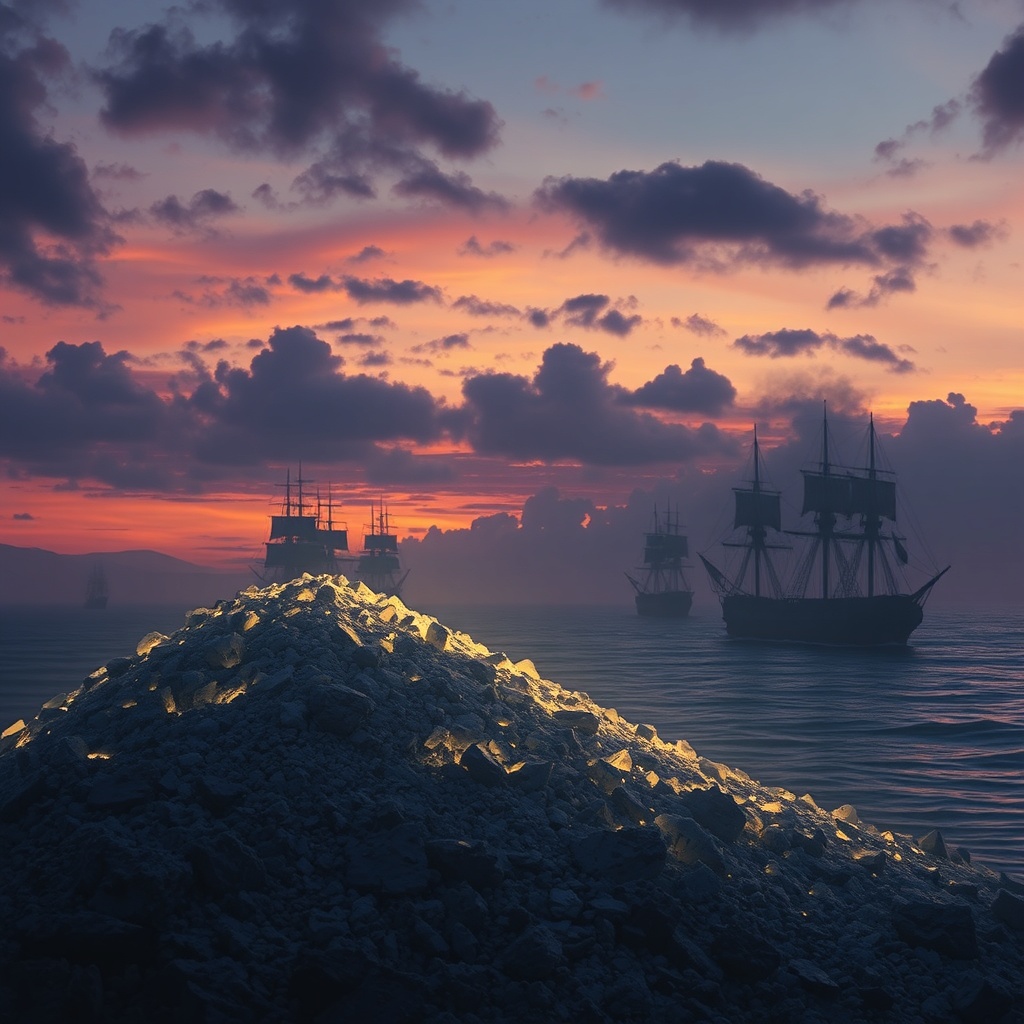
상상해 보세요. 흙에서 나는 식량보다, 심지어 황금보다도 더 가치 있는 것이 바다 새들의 배설물, 즉 '새똥'이었다면 믿으시겠습니까? 🤔 19세기, 인류 역사상 전례 없는 식량 생산 혁명을 이끈 이 기묘한 '하얀 황금'은 지구 반대편 남미 대륙에서 잔혹한 전쟁의 씨앗이 되었습니다. 오늘 역사의 조연들 시리즈가 들려드릴 이야기는 바로, 비료 때문에 나라의 운명이 바뀌고 수만 명이 죽어 나간, 숨겨진 역사의 한 페이지입니다. 📜
식량 증산이 절실했던 유럽과 아메리카 대륙의 폭발적인 수요는 페루의 해안선을 따라 펼쳐진 섬들에 쌓인 수천 년 묵은 구아노(Guano)를 향했습니다. 이 단순한 자원이 어떻게 한때 남미에서 가장 부유했던 나라를 나락으로 떨어뜨리고, 또 다른 나라를 강대국으로 만들었을까요? 그리고 이 전쟁의 파편은 오늘날까지도 어떻게 남아 있을까요? 함께 구아노의 피비린내 나는 역사 속으로 들어가 봅시다. 💥
1. 새똥, 유럽을 구원하다: 구아노의 시대 서막 🌍
19세기 중반, 유럽은 폭발적인 인구 증가와 산업 혁명으로 인해 심각한 식량난에 직면해 있었습니다. 오랜 경작으로 황폐해진 토지는 더 이상 충분한 수확을 내주지 못했고, 비료의 필요성이 절실해졌죠. 이때 등장한 것이 바로 '구아노'였습니다. 이구아노가 아니라 '구아노'입니다! 페루와 칠레 연안의 사막성 기후와 한류가 만나 형성된 섬들에는 수천 년간 쌓인 가마우지, 펠리컨 등 바다 새들의 배설물이 석회질과 반응하여 마치 하얀 바위처럼 굳어져 있었습니다.
독일의 화학자 유스투스 폰 리비히(Justus von Liebig)는 구아노가 식물 성장에 필수적인 질소, 인산, 칼륨을 풍부하게 함유한 '완벽한 천연 비료'임을 밝혀냈습니다. 그의 연구 결과가 발표되자 유럽은 물론 북미 대륙까지 구아노 쟁탈전이 벌어졌습니다. 페루는 이 엄청난 자원의 유일한 공급처였고, 삽시간에 '구아노 모노폴리(Guano Monopoly)'를 통해 막대한 부를 쌓아 올렸습니다.
구아노(Guano) 📜
스페인어 'Huano'에서 유래한 말로, 주로 페루 연안의 섬에 서식하는 바다 새들의 배설물이 수천 년간 쌓여 형성된 퇴적물. 질소, 인산, 칼륨 등 식물 성장에 필요한 영양소가 풍부하여 19세기 '녹색 혁명'의 핵심 동력이 되었다. 발효되면 독한 암모니아 냄새가 나지만, 그 가치는 황금에 비할 바가 아니었다.
2. 하얀 황금을 둘러싼 갈등의 씨앗 💥
페루는 구아노 수출로 상상할 수 없는 부를 누렸습니다. 국가는 도로, 철도, 학교를 짓고 노예제를 폐지하며 재정적 여유를 만끽했습니다. 하지만 이 '손쉬운' 수입은 산업 발전의 동력을 약화시키고, 국가 재정을 무책임하게 방만하게 만들었습니다. 겉으로는 번영했지만, 속은 곪아갔던 것이죠.
한편, 남쪽의 칠레는 건조한 아타카마 사막 지역에 매장된 또 다른 천연 비료 질산염(Salitre)에 주목했습니다. 당시 이 지역은 볼리비아 영토였지만, 칠레 광산 회사들이 활발히 개발 중이었습니다. 1874년, 칠레와 볼리비아는 볼리비아가 칠레 기업에 새로운 세금을 부과하지 않는다는 국경 조약을 체결했습니다. 하지만 볼리비아는 재정난에 시달리자 1878년, 이 조약을 어기고 칠레 질산염 회사에 새로운 세금을 부과하려 했습니다.
이것이 모든 갈등의 불씨가 되었습니다. 칠레는 조약 위반이라며 강하게 반발했고, 볼리비아는 세금 납부를 거부하는 칠레 회사들의 자산을 몰수하겠다고 위협했습니다. 페루는 볼리비아와 비밀 군사 동맹을 맺고 있었기에, 이 사태는 단순한 경제 분쟁을 넘어선 위험한 외교전으로 비화될 조짐을 보였습니다.
구아노와 질산염은 남미 국가들에게 엄청난 부를 가져다주었지만, 동시에 '자원의 저주(Resource Curse)'의 전형적인 사례가 되기도 했습니다. 손쉬운 천연자원 수출은 다른 산업의 발전을 저해하고, 정부의 부패를 조장하며, 자원 소유를 둘러싼 내부 및 외부 갈등을 심화시키는 경향이 있습니다.
3. 태평양 전쟁의 발발: 피로 물든 해안선 ⚔️
1879년 2월, 볼리비아는 세금을 납부하지 않은 칠레 회사의 자산을 경매에 부치기로 결정했습니다. 이에 칠레는 칠레군을 안토파가스타(Antofagasta)로 파병하며 응수했고, 이 지역을 점령했습니다. 볼리비아는 칠레에 선전포고했고, 비밀 동맹에 따라 페루는 볼리비아 편에 서며 전쟁은 삽시간에 확대되었습니다. 이것이 바로 태평양 전쟁(War of the Pacific), 혹은 구아노 전쟁(Guano War)의 서막이었습니다.
전쟁은 주로 태평양 해안을 따라 벌어졌습니다. 초기에는 페루의 뛰어난 전함 '와스카르(Huáscar)'가 칠레 해군에 큰 피해를 입혔으나, 칠레 해군이 압도적인 전력을 구축하며 해상권을 장악했습니다. 특히 1879년 10월 앙가모스 해전(Battle of Angamos)에서 와스카르가 나포되면서 칠레는 보급로를 완전히 장악, 육상전에서 우위를 점할 수 있게 되었습니다.
이후 칠레군은 볼리비아와 페루의 영토 깊숙이 진격했습니다. 1880년 아리카 전투(Battle of Arica)와 1881년 페루의 수도 리마 점령은 전쟁의 절정이었습니다. 리마는 칠레군에 의해 약탈당하고 파괴되었으며, 페루는 사실상 기능 불능 상태에 빠졌습니다. 이 전쟁은 남미 역사상 가장 잔혹하고 처참한 전쟁 중 하나로 기록되었습니다.
태평양 전쟁은 표면적으로는 남미 국가들 간의 자원 분쟁이었지만, 그 뒤에는 영국과 미국의 자본과 이해관계가 복잡하게 얽혀 있었습니다. 특히 영국 자본은 칠레의 질산염 산업에 깊이 투자되어 있었고, 이는 칠레가 전쟁을 벌이는 데 필요한 재정적, 외교적 뒷받침이 되었을 것이라는 주장도 존재합니다.
4. 전쟁의 결과: 지도가 다시 그려지다 🗺️
1883년, 전쟁은 칠레의 압도적인 승리로 끝났습니다. 승전국 칠레는 볼리비아의 모든 해안선(안토파가스타 주)과 페루의 비옥한 타라파카 주를 병합했습니다. 페루의 아리카와 타크나 지역은 1929년까지 칠레의 통치하에 있었고, 결국 타크나는 페루로 반환되었지만 아리카는 칠레 영토로 남았습니다.
| 국가 | 전쟁 전 영토 | 전쟁 후 변화 | 핵심 결과 |
|---|---|---|---|
| 칠레 | 중앙 태평양 해안 | 볼리비아 안토파가스타, 페루 타라파카 합병; 아리카 및 타크나 점령 | 남미의 경제 및 군사 강대국으로 부상 |
| 페루 | 북부 및 중부 태평양 해안, 구아노 주요 생산국 | 타라파카 상실, 아리카/타크나 점령 (후에 타크나 반환) | 국가 경제 및 사회적 혼란, 장기간 재건 필요 |
| 볼리비아 | 태평양 해안 (안토파가스타) | 해안선 전체 상실, 내륙국으로 전락 | 오늘날까지 이어지는 '바다 접근권' 분쟁의 시초 |
이 전쟁으로 인해 남미의 지도는 영구히 바뀌었습니다. 칠레는 질산염과 구아노 자원을 독점하며 경제적, 군사적 강국으로 부상했고, 볼리비아는 바다에 접근할 수 없는 내륙국이 되어 오늘날까지 해안선 회복을 염원하고 있습니다. 페루는 막대한 인명 피해와 재산 손실을 입으며 오랜 재건의 시간을 보내야 했습니다.
이야기의 끝자락: 구아노가 남긴 것 ✨
한때 '하얀 황금'으로 불리던 구아노는 이후 인공 비료의 발달로 그 가치를 잃었지만, 그것이 남긴 역사의 흔적은 여전히 깊습니다. 이 이야기는 단지 자원 분쟁이 아닌, 국가 간의 복잡한 이해관계, 자원의 저주, 그리고 강대국의 그림자가 어떻게 작은 우연과 맞물려 거대한 역사의 물줄기를 바꾸는지를 보여줍니다.
역사는 승자의 기록이지만, 그 뒤편에는 수많은 '조연'들의 이야기가 숨어 있습니다. 새똥이라는 예상치 못한 조연이 전 세계 식량 지도를 바꾸고, 남미의 지도를 피로 다시 그리게 할 줄 누가 알았을까요?
자주 묻는 질문 (FAQ) 🤔
Q1: 구아노는 지금도 사용되나요?
A1: 네, 제한적으로 사용됩니다. 주로 유기농업에서 천연 비료로 사용되거나, 특정 식물에 영양을 공급하는 데 쓰이지만, 19세기처럼 대규모 농업의 주요 자원은 아닙니다. 화학 비료가 훨씬 저렴하고 효율적이기 때문입니다.
Q2: 태평양 전쟁은 남미에 어떤 장기적인 영향을 미쳤나요?
A2: 가장 큰 영향은 볼리비아가 내륙국이 되었다는 점입니다. 이로 인해 볼리비아는 무역 및 경제 발전에 큰 제약을 받게 되었고, 페루와 칠레 간의 영토 분쟁 또한 오랜 기간 외교적 긴장의 원인이 되었습니다. 이 전쟁은 남미의 현대 지형을 확정 짓는 결정적인 사건이었습니다.
이처럼 사소해 보이는 '새똥' 하나가 역사의 물줄기를 통째로 바꾸고, 수많은 사람의 운명을 결정했습니다. 여러분이 알고 있는 또 다른 '역사의 조연'이 있다면 댓글로 알려주세요! 다음 이야기에서 또 다른 숨겨진 역사의 조연을 찾아뵙겠습니다. 😊
Imagine a time when something as seemingly trivial as bird droppings, 'bird poop,' was more valuable than gold, more crucial than the food grown from the earth itself. Would you believe it? 🤔 In the 19th century, this peculiar 'white gold' ignited a brutal war in South America, thousands of miles away, leading to an unprecedented revolution in human food production. Today, the Supporting Characters of History series brings you a hidden page of history where the fate of nations was rewritten and tens of thousands perished, all because of fertilizer. 📜
The exploding demand for food in 19th-century Europe and America led to a rush for Guano, accumulated over millennia on islands along the Peruvian coast. How did this simple resource bring down one of South America's wealthiest nations and elevate another to power? And what fragments of this war remain with us today? Let's delve into the bloody history of guano. 💥
1. Bird Poop Saves Europe: The Dawn of the Guano Era 🌍
In the mid-19th century, Europe faced a severe food crisis due to rapid population growth and the Industrial Revolution. Long-cultivated lands could no longer yield sufficient harvests, making fertilizers desperately needed. This is when 'guano' emerged. Not 'iguana', but 'guano'! On islands along the coasts of Peru and Chile, formed by arid climates and cold currents, bird droppings from cormorants, pelicans, and other seabirds had accumulated over thousands of years, solidifying into white, rock-like deposits.
German chemist Justus von Liebig revealed that guano was a 'perfect natural fertilizer,' rich in nitrogen, phosphorus, and potassium—essential for plant growth. After his findings were published, a fierce scramble for guano erupted across Europe and North America. Peru was the sole supplier of this immense resource, quickly accumulating vast wealth through its 'Guano Monopoly.'
Guano 📜
Derived from the Spanish word 'Huano,' it refers to the accumulated droppings of seabirds, primarily cormorants, over thousands of years on islands off the Peruvian coast. Rich in nutrients essential for plant growth like nitrogen, phosphorus, and potassium, it became a key driver of the 19th-century 'Green Revolution.' Though it emitted a strong ammonia smell when fermented, its value far exceeded gold.
2. Seeds of Conflict: The White Gold Dispute 💥
Peru enjoyed unimaginable wealth from guano exports. The nation built roads, railways, and schools, abolished slavery, and reveled in financial prosperity. However, this 'easy' income stifled industrial development and led to irresponsible fiscal management. While seemingly prosperous on the surface, the nation was rotting from within.
Meanwhile, to the south, Chile set its sights on another natural fertilizer, Nitrate (Salitre), discovered in the arid Atacama Desert region. At the time, this area was Bolivian territory, but Chilean mining companies were actively developing it. In 1874, Chile and Bolivia signed a border treaty stating that Bolivia would not impose new taxes on Chilean enterprises. However, facing financial hardship, Bolivia violated this treaty in 1878 by attempting to levy new taxes on Chilean nitrate companies.
This became the spark for all conflict. Chile strongly protested, citing the treaty violation, while Bolivia threatened to confiscate the assets of Chilean companies that refused to pay the tax. Peru, having a secret military alliance with Bolivia, saw this situation escalate from a mere economic dispute into a dangerous diplomatic standoff.
Guano and nitrates brought immense wealth to South American nations but also became classic examples of the 'Resource Curse.' Easy export of natural resources tends to hinder the development of other industries, foster government corruption, and intensify internal and external conflicts over resource ownership.
3. The Outbreak of the War of the Pacific: A Coastline Stained with Blood ⚔️
In February 1879, Bolivia decided to auction off assets of Chilean companies that had not paid taxes. Chile retaliated by dispatching its troops to Antofagasta and occupying the area. Bolivia declared war on Chile, and, in accordance with their secret alliance, Peru sided with Bolivia, rapidly expanding the conflict. This marked the beginning of the War of the Pacific, also known as the Guano War.
The war was primarily fought along the Pacific coast. Initially, Peru's formidable ironclad 'Huáscar' inflicted significant damage on the Chilean navy, but Chile eventually gained naval supremacy with its overwhelming force. Especially after the capture of Huáscar in the Battle of Angamos in October 1879, Chile completely secured its supply lines, enabling it to gain an advantage in land battles.
Subsequently, Chilean forces advanced deep into Bolivian and Peruvian territory. The Battle of Arica in 1880 and the occupation of Peru's capital, Lima, in 1881 were the climaxes of the war. Lima was plundered and destroyed by Chilean forces, leaving Peru virtually incapacitated. This war is recorded as one of the most brutal and devastating conflicts in South American history.
While ostensibly a resource conflict among South American nations, the War of the Pacific was deeply entangled with the capital and interests of Britain and the United States. British capital, in particular, was heavily invested in Chile's nitrate industry, which some argue provided the financial and diplomatic backing Chile needed to wage war.
4. The Outcome of the War: A Map Redrawn 🗺️
In 1883, the war concluded with a decisive Chilean victory. Victorious Chile annexed all of Bolivia's coastline (Antofagasta Province) and Peru's fertile Tarapacá Province. Peru's Arica and Tacna regions remained under Chilean control until 1929; Tacna was eventually returned to Peru, but Arica remained Chilean territory.
| Nation | Pre-War Territory | Post-War Changes | Key Outcome |
|---|---|---|---|
| Chile | Central Pacific Coast | Annexed Bolivian Antofagasta, Peruvian Tarapacá; occupied Arica and Tacna | Emerged as an economic and military power in South America |
| Peru | Northern and Central Pacific Coast, major guano producer | Lost Tarapacá, Arica/Tacna occupied (Tacna later returned) | National economic and social chaos, long period of reconstruction needed |
| Bolivia | Pacific Coast (Antofagasta) | Lost entire coastline, became landlocked | Origin of the 'sea access' dispute that continues to this day |
This war permanently redrew the map of South America. Chile ascended as an economic and military power by monopolizing nitrate and guano resources, while Bolivia became a landlocked nation, yearning for sea access even today. Peru suffered immense casualties and property loss, enduring a long period of reconstruction.
The End of the Story: Guano's Legacy ✨
Once called 'white gold,' guano eventually lost its value with the development of artificial fertilizers, but its historical imprint remains deep. This story isn't just about a resource dispute; it shows how complex international interests, the resource curse, and the shadow of great powers intertwined with small coincidences to dramatically alter the course of history.
History is written by the victors, but behind it lie countless stories of 'supporting characters.' Who would have thought that an unexpected supporting character like bird poop would change the world's food map and redraw the map of South America with blood?
Frequently Asked Questions (FAQ) 🤔
Q1: Is guano still used today?
A1: Yes, but to a limited extent. It is primarily used as a natural fertilizer in organic farming or to provide nutrients for specific plants, but it is no longer a major resource for large-scale agriculture as it was in the 19th century. Chemical fertilizers are much cheaper and more efficient.
Q2: What long-term impact did the War of the Pacific have on South America?
A2: The biggest impact is Bolivia becoming landlocked. This has significantly hindered Bolivia's trade and economic development, and territorial disputes between Peru and Chile have also been a source of diplomatic tension for a long time. This war was a decisive event that determined the modern geography of South America.
Thus, a seemingly trivial 'bird poop' changed the course of history and determined the fate of countless people. If you know of any other 'supporting characters of history,' please share them in the comments! We'll meet again with another hidden historical supporting character in our next story. 😊
댓글
댓글 쓰기