[History] 15. 런던의 대악취 사건: 똥물이 의회를 멈추고 현대 하수도를 탄생시키다 (The Great Stink of London: How Sewage Stopped Parliament and Gave Birth to Modern Sewers)
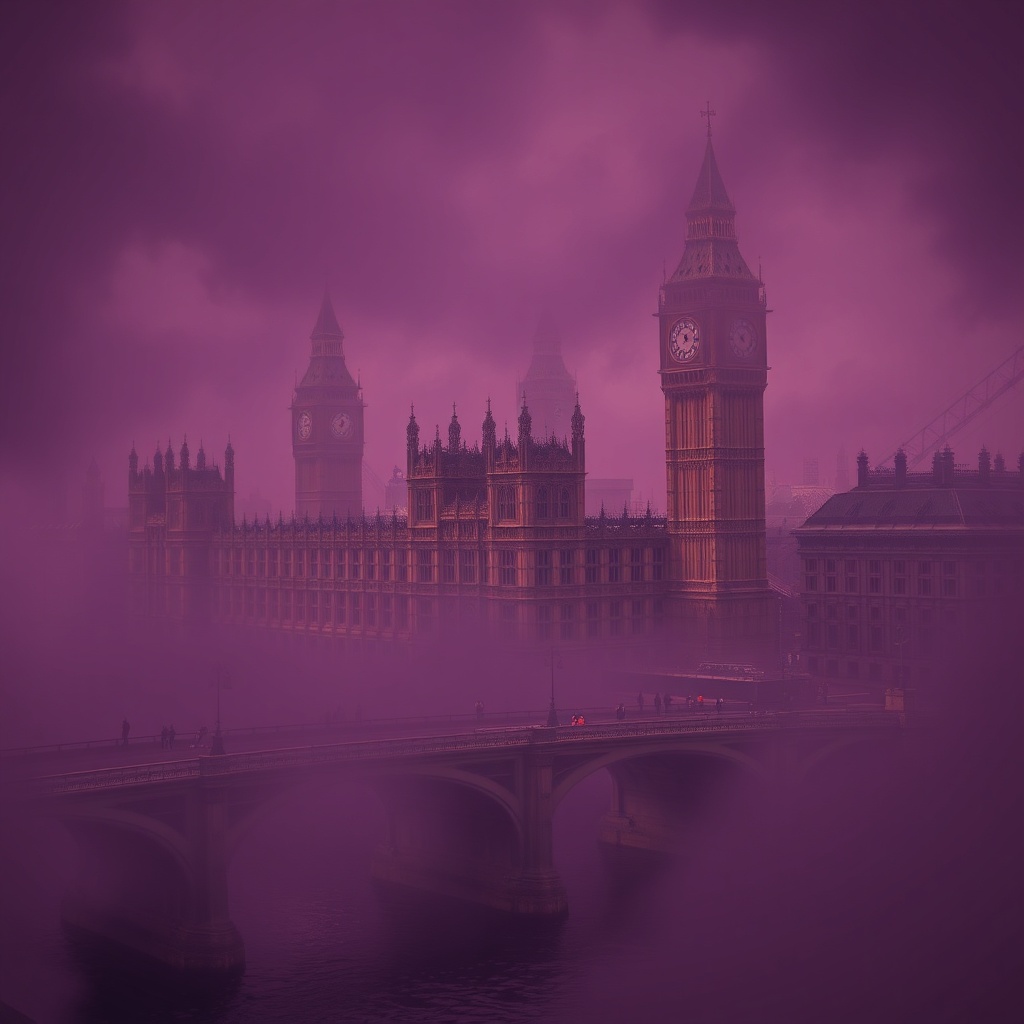
여러분은 역사의 중요한 전환점이 거대한 전쟁이나 위대한 발견 때문이라고 생각하시나요? 하지만 때로는 지극히 사소하고, 어쩌면 역겹기까지 한 무언가가 세상을 완전히 뒤바꾸기도 합니다. 오늘은 바로 그런, 믿을 수 없는 이야기 속으로 여러분을 초대합니다. 1858년 여름, 인류 역사상 가장 기이하고도 강력했던 사건 중 하나, 바로 런던의 ‘대악취 사건(The Great Stink)’이 어떻게 영국의 심장부를 마비시키고 현대 도시의 위생 체계를 뿌리째 바꾸었는지 함께 살펴볼까요? 🤔 💥 🌍
기 - 끓어오르는 템스강, 지옥의 서막 💨
19세기 중반 런던은 세계에서 가장 크고 번성하는 도시였습니다. 산업혁명은 수많은 사람을 도시로 끌어모았고, 런던의 인구는 기하급수적으로 늘어났죠. 하지만 이러한 성장의 이면에는 심각한 위생 문제가 도사리고 있었습니다. 당시 런던의 하수 시설은 거의 전무했습니다. 대부분의 가정에서 배출되는 오물과 쓰레기는 그대로 템스강으로 흘러들거나, 길거리에 방치되곤 했습니다. 그야말로 템스강은 거대한 '오픈 하수도'나 다름없었죠. 🤢
매년 여름이 되면 템스강의 수위는 낮아지고, 강바닥에 쌓인 엄청난 양의 오물 덩어리가 햇볕에 노출되기 시작했습니다. 상상해보세요, 수십만 명의 배설물과 온갖 쓰레기가 뒤섞인 진흙이 뜨거운 태양 아래에서 부패하며 내뿜는 냄새를요. 1858년 여름은 특히나 더웠습니다. 런던의 기온은 연일 30도를 웃돌았고, 템스강은 문자 그대로 끓어오르는 거대한 변기가 되어버렸습니다. 이 악취는 단순히 불쾌한 수준을 넘어, 사람의 코와 목구멍을 찌르는 지독한 화학 무기 같았다고 합니다. 😖
승 - 악취가 멈춘 의회, 템스강의 역습 🏛️
이 끔찍한 악취는 런던 전역을 뒤덮었고, 특히 템스강변에 위치한 곳들은 그 피해가 더욱 심각했습니다. 그리고 그중에서도 가장 큰 타격을 입은 곳은 다름 아닌 영국 의사당이었습니다. 템스강 바로 옆에 자리 잡은 의사당은 악취의 직격탄을 맞았습니다. 의원들은 차마 자리에 앉아 있을 수 없을 정도였고, 심지어 몇몇 의원은 구토를 하거나 의식을 잃을 지경에 이르렀다고 전해집니다. 😨
의원들은 창문을 닫고, 커튼에 소독제를 뿌리고, 심지어 강가에 염화석회를 뿌리는 등 온갖 방법을 동원했지만 소용없었습니다. 급기야 의회는 '악취로 인해 회의를 진행할 수 없다'는 초유의 사태에 직면하게 됩니다. 국가의 중요한 정책이 논의되어야 할 장소가, 똥물 냄새 때문에 기능을 상실한 것입니다. 이 모습은 당시 영국의 행정 마비를 상징적으로 보여주는 장면이었죠. 웃지 못할 해프닝 같지만, 당시 런던 시민들에게는 콜레라와 같은 전염병의 창궐로 이어질 수 있는 생존의 문제였습니다. 🦠
대악취 사건은 단순히 '냄새'만의 문제가 아니었습니다. 당시 런던은 콜레라가 창궐하여 수많은 사망자를 내던 시기였습니다. 오염된 물이 콜레라의 주범이라는 사실은 아직 명확히 밝혀지지 않았지만, 사람들은 악취와 질병 간의 상관관계를 직감적으로 느끼고 있었습니다. 악취는 위생 개혁의 필요성을 촉발시킨 강력한 '촉매제' 역할을 했습니다.
전 - 한 남자의 비전, 문명을 구원하다 ✨
악취로 인해 의회가 마비되고 사회적 불만이 극에 달하자, 마침내 정부는 움직일 수밖에 없었습니다. 그러나 이때, 이미 미래를 내다보고 준비해둔 한 남자가 있었습니다. 바로 런던의 수석 토목 기사인 조셉 바잘제트(Joseph Bazalgette)였습니다. 그는 이미 1850년대 초부터 런던의 하수도 시스템을 전면적으로 개선해야 한다고 주장하며, 런던 전체를 아우르는 방대한 규모의 하수도 건설 계획을 세워두고 있었습니다. 하지만 막대한 비용과 정치적 이해관계 때문에 그의 계획은 번번이 좌절되어 왔죠. 😔
인물 탐구: 조셉 바잘제트 📜
- 탄생: 1819년 영국 에섹스 출생.
- 업적: 런던의 현대적인 하수도 시스템을 설계하고 건설을 감독. 런던을 콜레라의 공포에서 해방시키고 도시 위생의 혁명을 이끌었습니다.
- 별명: '현대 위생의 아버지', '지하 런던의 건축가'.
대악취 사건은 바잘제트의 계획이 마침내 빛을 보게 되는 결정적인 계기가 되었습니다. 냄새 앞에서 더 이상 버틸 수 없게 된 의회는 결국 그의 제안을 받아들였고, 불과 18일 만에 하수도 건설을 위한 법안이 통과되었습니다. 런던의 미래가 냄새 때문에, 그것도 똥물 냄새 때문에 결정된 아이러니한 순간이었죠. 바잘제트는 즉시 작업을 시작했고, 그의 지휘 아래 런던 지하에는 거대한 지하 궁전과 같은 하수도 망이 건설되기 시작했습니다. 🏗️
결 - 똥물 너머, 문명의 진보 🌐
조셉 바잘제트의 하수도 시스템 건설은 1859년에 시작되어 1865년에 주요 부분이 완공되었습니다. 총 83마일(약 134km)의 간선 하수도와 1,100마일(약 1,770km)에 달하는 지선 하수도가 런던 지하에 거미줄처럼 깔렸고, 이는 당시로서는 상상조차 할 수 없었던 엄청난 토목 공사였습니다. 이 시스템은 런던의 모든 오폐수를 시 외곽으로 운반하여 정화 처리하는 방식으로, 도시 위생의 패러다임을 완전히 바꾸어 놓았습니다. 💧
바잘제트의 하수도 시스템은 중력을 이용한 정교한 경사를 통해 설계되어, 펌프 없이도 오수가 자연스럽게 흘러가도록 했습니다. 이 설계는 150년이 지난 지금도 런던의 핵심 하수도 시스템으로 사용될 정도로 뛰어난 효율성과 견고함을 자랑합니다. 진정한 의미의 '지속 가능한' 인프라였죠.
이 거대한 하수도 시스템의 완공은 런던에서 콜레라가 거의 사라지는 결정적인 계기가 되었고, 런던 시민들의 삶의 질을 혁신적으로 향상시켰습니다. 더 이상 템스강은 역겨운 냄새를 풍기지 않았고, 사람들은 깨끗한 물과 위생적인 환경 속에서 살아갈 수 있게 되었습니다. '대악취 사건'은 단순히 불쾌한 에피소드가 아니라, 사회의 불편함이 어떻게 거대한 혁신을 이끌어내는가를 보여주는 역사의 중요한 이정표가 된 것입니다. ✨
자주 묻는 질문 (FAQ) ❓
Q1: 템스강의 악취는 얼마나 심했나요?
A: 당시 기록에 따르면 '페르시아 전쟁터의 시체 냄새보다 더 지독하다', '세계의 모든 악취를 모아놓은 것 같다'는 묘사가 있을 정도로 상상을 초월하는 수준이었다고 합니다. 의원들이 의사당에서 도망칠 정도였으니 그 심각성을 짐작할 수 있습니다.
Q2: 조셉 바잘제트 외에 이 사건에 영향을 미친 인물은 없나요?
A: 존 스노우 박사는 콜레라가 오염된 물을 통해 전염된다는 사실을 밝혀낸 중요한 인물입니다. 그의 연구는 하수도 시스템의 필요성을 과학적으로 뒷받침하는 데 큰 기여를 했습니다.
Q3: 런던의 하수도 시스템은 지금도 사용되고 있나요?
A: 네, 바잘제트가 설계한 대부분의 간선 하수도 시스템은 150년이 넘는 세월이 지난 지금도 런던의 주요 하수도망으로 사용되고 있습니다. 이는 그의 설계가 얼마나 시대를 앞서갔으며 견고했는지를 보여주는 증거입니다.
이처럼 런던의 '대악취 사건'은 단순히 고약한 냄새로 끝날 수 있었던 에피소드가 아니라, 거대한 도시의 미래를 결정하고 현대 위생 시스템의 초석을 다진 중요한 전환점이었습니다. 때로는 가장 불쾌하고 사소해 보이는 문제가 인류 문명 발전의 강력한 동기가 되기도 한다는 사실을 상기시켜 줍니다. 여러분의 삶 속에서는 어떤 '대악취'가 새로운 혁신을 기다리고 있나요? 다음에도 흥미로운 역사 속 이야기로 찾아오겠습니다. 😊
Do you believe major historical turning points are always caused by grand wars or monumental discoveries? Sometimes, however, something utterly mundane, perhaps even repulsive, can completely change the world. Today, I invite you into such an incredible story. Let's explore how the 'Great Stink' of London in the summer of 1858, one of humanity's most peculiar and potent events, paralyzed the heart of Britain and fundamentally transformed modern urban sanitation. 🤔 💥 🌍
Part 1: The Boiling Thames, Overture to Hell 💨
In the mid-19th century, London was the largest and most prosperous city in the world. The Industrial Revolution drew countless people to the city, causing London's population to grow exponentially. However, beneath this growth lay severe sanitation problems. At that time, London's sewage facilities were almost non-existent. Most household waste and refuse flowed directly into the Thames River or was left neglected in the streets. In essence, the Thames was nothing short of a massive 'open sewer'. 🤢
Every summer, the water level of the Thames would drop, and the enormous accumulation of putrid waste at the riverbed would become exposed to the sun. Imagine the smell of hundreds of thousands of people's excrement and all sorts of garbage mixed in mud, decomposing under the hot sun. The summer of 1858 was particularly hot. London's temperatures consistently exceeded 30 degrees Celsius, and the Thames literally became a 'boiling giant toilet'. This stench was beyond mere unpleasantness; it was said to be like a terrible chemical weapon that stung people's noses and throats. 😖
Part 2: Parliament Paralyzed, The Thames Strikes Back 🏛️
This horrific stench covered all of London, and areas particularly near the Thames suffered even more severely. Among these, the most impacted was none other than the British Houses of Parliament. Located right next to the Thames, Parliament took the direct hit of the stench. Members could barely sit in their seats, and some reportedly vomited or even fainted. 😨
MPs closed windows, sprayed disinfectant on curtains, and even poured quicklime into the river, but nothing worked. Eventually, Parliament faced an unprecedented situation: 'meetings could not proceed due to the stench.' A place where crucial national policies were to be debated had become dysfunctional because of the smell of sewage. This scene symbolically represented the administrative paralysis of Britain at the time. Though it seems like a farcical happening, for the citizens of London at that time, it was a matter of survival, potentially leading to outbreaks of epidemics like cholera. 🦠
The Great Stink was not just a matter of 'smell.' At that time, London was experiencing severe cholera outbreaks, causing numerous deaths. Although it was not yet definitively proven that contaminated water was the primary cause of cholera, people instinctively sensed a correlation between the stench and the disease. The stench served as a powerful 'catalyst' that triggered the urgent need for sanitation reform.
Part 3: A Man's Vision, Saving Civilization ✨
As the stench paralyzed Parliament and social discontent reached its peak, the government finally had no choice but to act. But at this moment, there was a man who had already foreseen the future and prepared for it: Joseph Bazalgette, London's Chief Engineer. He had been advocating since the early 1850s for a complete overhaul of London's sewage system and had drawn up a vast plan for a city-wide sewage network. However, due to enormous costs and political interests, his plans had been repeatedly thwarted. 😔
Figure Spotlight: Joseph Bazalgette 📜
- Born: 1819, Essex, England.
- Achievements: Designed and supervised the construction of London's modern sewage system. Liberated London from the fear of cholera and led a revolution in urban sanitation.
- Nickname: 'Father of Modern Sanitation', 'Architect of Underground London'.
The Great Stink became the decisive moment when Bazalgette's plan finally saw the light of day. Unable to withstand the stench any longer, Parliament eventually accepted his proposal, and a bill for sewer construction was passed in just 18 days. It was an ironic moment when London's future was decided by a smell, specifically the smell of sewage. Bazalgette immediately began work, and under his direction, a vast underground palace of sewers began to be constructed beneath London. 🏗️
Part 4: Beyond the Stink, The Progress of Civilization 🌐
Joseph Bazalgette's sewage system construction began in 1859, with major sections completed by 1865. A total of 83 miles (about 134 km) of main sewers and 1,100 miles (about 1,770 km) of connecting sewers were laid like a spiderweb beneath London. This was an enormous engineering feat, unimaginable at the time. The system completely changed the paradigm of urban sanitation by transporting all of London's wastewater to the city's outskirts for treatment. 💧
Bazalgette's sewage system was designed with precise gradients utilizing gravity, allowing wastewater to flow naturally without pumps. This design boasts such excellent efficiency and robustness that it is still used as London's core sewer system over 150 years later. It was a truly 'sustainable' infrastructure.
The completion of this massive sewer system was a decisive factor in the near disappearance of cholera from London and dramatically improved the quality of life for Londoners. The Thames no longer emitted repulsive odors, and people could live in clean water and sanitary environments. The 'Great Stink' was not just an unpleasant episode; it became a crucial historical landmark demonstrating how societal discomfort can lead to monumental innovation. ✨
Frequently Asked Questions (FAQ) ❓
Q1: How severe was the stench from the Thames?
A: Contemporary accounts describe it as 'more dreadful than the smell of a Persian battlefield' and 'like all the world's stinks gathered together,' indicating an unimaginable level of severity. The fact that MPs fled Parliament gives a sense of its seriousness.
Q2: Were there other influential figures in this event besides Joseph Bazalgette?
A: Dr. John Snow was a crucial figure who discovered that cholera was transmitted through contaminated water. His research greatly contributed to scientifically supporting the need for a sewage system.
Q3: Is London's sewage system still in use today?
A: Yes, most of the main sewer system designed by Bazalgette is still in use as London's primary sewage network, more than 150 years later. This is testament to how far ahead of his time his design was and how robust it remains.
Thus, London's 'Great Stink' was not just an unpleasant episode but a crucial turning point that determined the future of a great city and laid the foundation for modern sanitation systems. It reminds us that sometimes the most unpleasant and seemingly minor issues can become powerful drivers for the advancement of human civilization. What 'Great Stinks' in your life are waiting for new innovations? I'll be back with more intriguing stories from history. 😊
댓글
댓글 쓰기