[History] 23. 콜레라를 잡은 지도 한 장: 존 스노우가 탄생시킨 현대 역학의 시작 (A Map That Conquered Cholera: John Snow and the Birth of Modern Epidemiology)
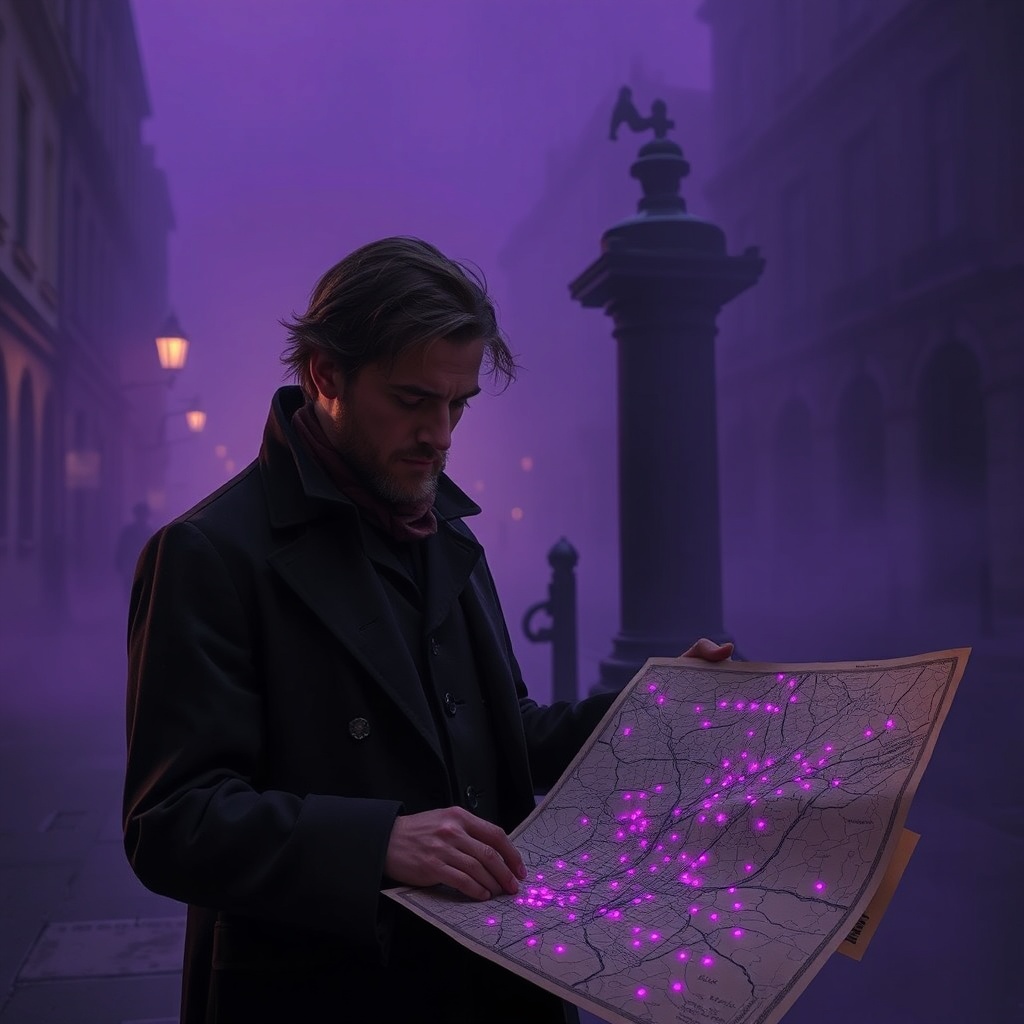
19세기 중반 런던의 거리를 상상해 보세요. 악취가 진동하고, 알 수 없는 질병이 수많은 생명을 앗아가던 암울한 시대였습니다. 사람들은 콜레라가 '나쁜 공기' 즉, 미아즈마(Miasma) 때문에 발생한다고 믿었죠. 하지만, 이 통념에 정면으로 맞서며 인류의 질병 역사를 뒤바꾼 한 의사가 있었습니다. 그의 이름은 존 스노우. 오늘 우리는 지극히 평범해 보이는 지도 한 장으로 현대 역학의 시작을 알린 그의 놀라운 이야기에 귀 기울여 볼 겁니다. 🤔
19세기 런던의 그림자: 보이지 않는 적, 콜레라 💀
런던은 당시 세계 최대의 도시였지만, 하수 시설은 미비했고 위생 상태는 참담했습니다. 콜레라는 이러한 환경에서 번성하며 끔찍한 속도로 퍼져나갔습니다. 의사들은 병의 원인을 알지 못했고, 속수무책으로 환자들이 쓰러져갔죠. 공포는 도시를 집어삼켰고, 사람들은 공기 중의 독성 물질이 병을 퍼뜨린다는 '미아즈마' 이론에 매달렸습니다.
'미아즈마 이론'은 고대부터 19세기까지 서양 의학을 지배했던 주요 질병 원인론이었습니다. 썩은 유기물에서 발생하는 독성 증기나 악취가 질병을 유발한다고 믿었죠. 이는 병원균의 존재가 밝혀지기 전까지 가장 설득력 있는 가설이었습니다.
'나쁜 공기'는 거짓말? 존 스노우의 의심 🧐
존 스노우는 마취학 분야에서 명성이 높았던 의사였지만, 콜레라에 대한 당대의 통념에 회의적이었습니다. 그는 콜레라 환자들의 증상이 소화기 계통에서 시작된다는 점에 주목했습니다. '나쁜 공기' 때문이라면 폐를 통해 감염되어야 할 텐데, 왜 환자들은 구토와 설사를 하는 것일까? 스노우는 분명 다른 무언가가 있을 것이라고 직감했습니다. 그의 마음속에는 이미 새로운 가설이 싹트고 있었죠. 바로 '오염된 물'이 병의 원인이라는 것이었습니다.
존 스노우 (John Snow) 📜
생애: 1813년 영국 요크에서 출생, 1858년 사망. 마취학의 선구자이자 현대 역학의 아버지로 불림. 빅토리아 시대 런던의 공중 보건 개선에 지대한 공헌을 함.
지도가 밝혀낸 진실: 브로드 스트리트의 작은 우물 🗺️
1854년 8월, 런던 소호 지역의 브로드 스트리트에서 콜레라가 맹렬하게 확산되기 시작했습니다. 불과 며칠 만에 수백 명이 사망하는 참극이 벌어졌죠. 이때 존 스노우는 현장으로 달려갔습니다. 그는 단순히 환자를 치료하는 것에 그치지 않고, 사망자들의 거주지를 지도 위에 점으로 표시하기 시작했습니다. 마치 탐정처럼 모든 사망자 가정을 방문하고, 그들의 생활 방식과 물 공급원을 끈질기게 조사했습니다. 그리고 놀라운 패턴을 발견했습니다. 대부분의 사망자가 특정 지역에 집중되어 있었고, 그 중심에는 바로 '브로드 스트리트의 공용 펌프'가 있었습니다.
그는 주민들에게 특정 펌프의 물을 마시지 말라고 설득했고, 마침내 지역 당국을 설득하여 문제의 펌프 손잡이를 제거했습니다. 이 단순한 조치는 콜레라 확산을 극적으로 둔화시켰습니다. 지도 한 장이 수천 명의 생명을 구한 결정적인 증거가 된 것입니다. 💥
역학 혁명의 시작: 현대 의학의 초석 💎
존 스노우의 이 '지도 위의 점' 방식은 당시로서는 혁신적인 접근이었습니다. 그는 병원균의 존재를 알지 못했지만, 경험적 데이터와 통계적 추론을 통해 질병의 전파 경로를 밝혀냈습니다. 이는 질병의 원인을 규명하고 확산을 막는 현대 역학(Epidemiology)의 과학적 토대를 마련한 사건이었습니다. 그의 연구는 이후 루이 파스퇴르나 로베르트 코흐가 세균설을 확립하는 데 중요한 영감을 주었고, 공중 보건 시스템의 중요성을 일깨웠습니다.
존 스노우의 유산: 보이지 않는 영웅의 발자취 👣
존 스노우는 생전에는 그의 이론이 널리 받아들여지지 않았습니다. 하지만 그의 선구적인 연구는 시간이 지나면서 그 진가를 인정받았고, 오늘날 전 세계 보건 정책의 근간이 되었습니다. 우리가 깨끗한 물을 마시고, 감염병 확산 경로를 추적하여 예방하는 모든 과정에는 존 스노우의 지혜가 담겨있습니다. 한 의사의 '합리적인 의심'과 '집요한 추적'이 런던의 거리뿐 아니라 인류 전체의 건강과 역사를 바꾼 셈입니다. 🌍
존 스노우의 발견은 당시 의학계에서 큰 저항에 부딪혔습니다. '미아즈마 이론'이 너무나 강력한 통념이었기 때문이죠. 게다가 오염된 물에서 콜레라 병원균이 직접 검출되지 않았던 점도 그의 주장이 받아들여지기 어려웠던 이유 중 하나였습니다. 병원균의 존재가 과학적으로 증명되기까지는 더 많은 시간이 필요했습니다.
자주 묻는 질문 (FAQ)
- Q1: 존 스노우는 왜 콜레라가 '나쁜 공기' 때문이 아니라고 생각했나요?
A1: 그는 콜레라 환자들의 주요 증상이 폐가 아닌 소화기 계통(구토, 설사)에서 나타나는 것에 주목했습니다. 만약 공기로 전염된다면 폐 관련 증상이 더 많아야 한다고 추론했죠. - Q2: 그의 '지도'가 콜레라 퇴치에 어떤 결정적인 역할을 했나요?
A2: 사망자 발생 위치를 지도에 표시함으로써, 특정 지역의 사망자들이 특정 우물 주변에 집중되어 있다는 시각적이고 명확한 패턴을 발견했습니다. 이는 오염원을 특정하는 데 결정적인 증거가 되었습니다. - Q3: 존 스노우의 연구는 현대 의학에 어떤 영향을 미쳤나요?
A3: 그는 병원균의 존재를 몰랐음에도 불구하고, 체계적인 데이터 수집과 분석을 통해 질병의 원인과 전파 경로를 밝혀내는 '역학 조사'의 선구적인 모델을 제시했습니다. 이는 현대 공중 보건과 감염병 관리의 기초가 되었습니다.
지식의 지평을 넓히는 것은 언제나 기존의 통념에 도전하는 용기에서 시작됩니다. 보이지 않는 병원체와 싸웠던 존 스노우처럼, 우리 주변의 익숙한 진실에 질문을 던지는 것이 어쩌면 더 나은 미래를 여는 열쇠가 될지도 모릅니다. 여러분은 어떤 '숨겨진 진실'에 도전하고 싶으신가요? 댓글로 여러분의 생각을 공유해주세요! 😊 다음 이야기에서 또 다른 역사의 조연을 만나봅시다.
A Map That Conquered Cholera: John Snow and the Birth of Modern Epidemiology 🗺️
Imagine the streets of mid-19th century London. It was a gloomy era, filled with foul odors, where an unknown disease claimed countless lives. People believed that cholera was caused by "bad air," or Miasma. However, one doctor directly challenged this conventional wisdom, changing the course of human disease history. His name was John Snow. Today, we will listen to his astonishing story, of how a seemingly ordinary map heralded the beginning of modern epidemiology. 🤔
The Shadow of 19th Century London: Cholera, the Invisible Enemy 💀
London was the largest city in the world at the time, but its sewage systems were rudimentary, and sanitation was abysmal. Cholera thrived in these conditions, spreading at a horrifying pace. Doctors did not know the cause of the disease, and patients fell one after another, helpless. Fear gripped the city, and people clung to the 'Miasma' theory, believing that toxic substances in the air spread the illness.
The 'Miasma Theory' was a dominant theory of disease causation in Western medicine from ancient times until the 19th century. It posited that toxic vapors or foul odors from decaying organic matter caused disease. This was the most convincing hypothesis until the existence of pathogens was discovered.
'Bad Air' a Lie? John Snow's Doubts 🧐
John Snow was a renowned anesthesiologist, but he was skeptical of the prevailing cholera beliefs. He noted that cholera patients' symptoms originated in the digestive system. If it were due to 'bad air,' shouldn't the infection affect the lungs? Why then were patients experiencing vomiting and diarrhea? Snow instinctively felt there must be something else. A new hypothesis was already taking root in his mind: that 'contaminated water' was the cause of the disease.
John Snow 📜
Life: Born in York, England in 1813, died in 1858. Hailed as a pioneer in anesthesiology and the father of modern epidemiology. Made significant contributions to public health improvement in Victorian London.
The Truth Revealed by a Map: Broad Street's Small Well 🗺️
In August 1854, cholera began to rage through the Broad Street area of Soho, London. Within a few days, hundreds died in a horrific tragedy. John Snow rushed to the scene. He didn't just treat patients; he began marking the residences of the deceased on a map. Like a detective, he visited every deceased person's household, persistently investigating their lifestyles and water sources. He then discovered an astonishing pattern: most of the deaths were concentrated in a specific area, and at its center was the 'Broad Street public pump'.
He convinced residents not to drink water from that particular pump and finally persuaded local authorities to remove the pump handle. This simple action dramatically slowed the spread of cholera. A single map became decisive evidence that saved thousands of lives. 💥
The Dawn of an Epidemiological Revolution: Cornerstone of Modern Medicine 💎
John Snow's "dots on a map" approach was revolutionary for its time. He didn't know about the existence of pathogens, yet he elucidated the transmission route of the disease through empirical data and statistical inference. This established the scientific foundation of modern Epidemiology for identifying the cause of disease and preventing its spread. His research later provided crucial inspiration for Louis Pasteur and Robert Koch to establish the germ theory and highlighted the importance of public health systems.
John Snow's Legacy: Footprints of an Unsung Hero 👣
During his lifetime, John Snow's theories were not widely accepted. However, his pioneering research gradually gained recognition over time and became the bedrock of public health policies worldwide today. Every process we follow – drinking clean water, tracing infection paths, and preventing epidemics – contains John Snow's wisdom. One doctor's 'rational skepticism' and 'persistent investigation' not only changed the streets of London but also the health and history of humanity. 🌍
John Snow's findings faced significant resistance in the medical community of his time. The 'Miasma Theory' was such a powerful conventional wisdom. Moreover, the fact that cholera pathogens were not directly detected in contaminated water was another reason why his arguments were difficult to accept. More time was needed before the existence of pathogens could be scientifically proven.
Frequently Asked Questions (FAQ)
- Q1: Why did John Snow believe cholera was not caused by 'bad air'?
A1: He observed that the main symptoms of cholera patients occurred in the digestive system (vomiting, diarrhea), not the lungs. He reasoned that if it were airborne, there should be more lung-related symptoms. - Q2: What decisive role did his 'map' play in combating cholera?
A2: By mapping the locations of deaths, he discovered a visual and clear pattern: deaths in a specific area were concentrated around a particular well. This provided crucial evidence for identifying the source of contamination. - Q3: How did John Snow's research influence modern medicine?
A3: Even without knowing the existence of pathogens, he presented a pioneering model for 'epidemiological investigation' – systematically collecting and analyzing data to uncover the cause and transmission route of disease. This became the foundation of modern public health and infectious disease control.
Expanding the horizons of knowledge always begins with the courage to challenge existing conventional wisdom. Like John Snow, who fought against an invisible pathogen, questioning familiar truths around us might be the key to opening a better future. What 'hidden truth' do you want to challenge? Share your thoughts in the comments below! 😊 Let's meet another unsung hero of history in our next story.
댓글
댓글 쓰기