[History] 6. 인류 최악의 발명품, 유연휘발유: 세상을 조용히 병들게 한 발명가의 비참한 최후 (Humanity's Worst Invention, Leaded Gasoline: The Tragic End of the Inventor Who Quietly Poisoned the World)
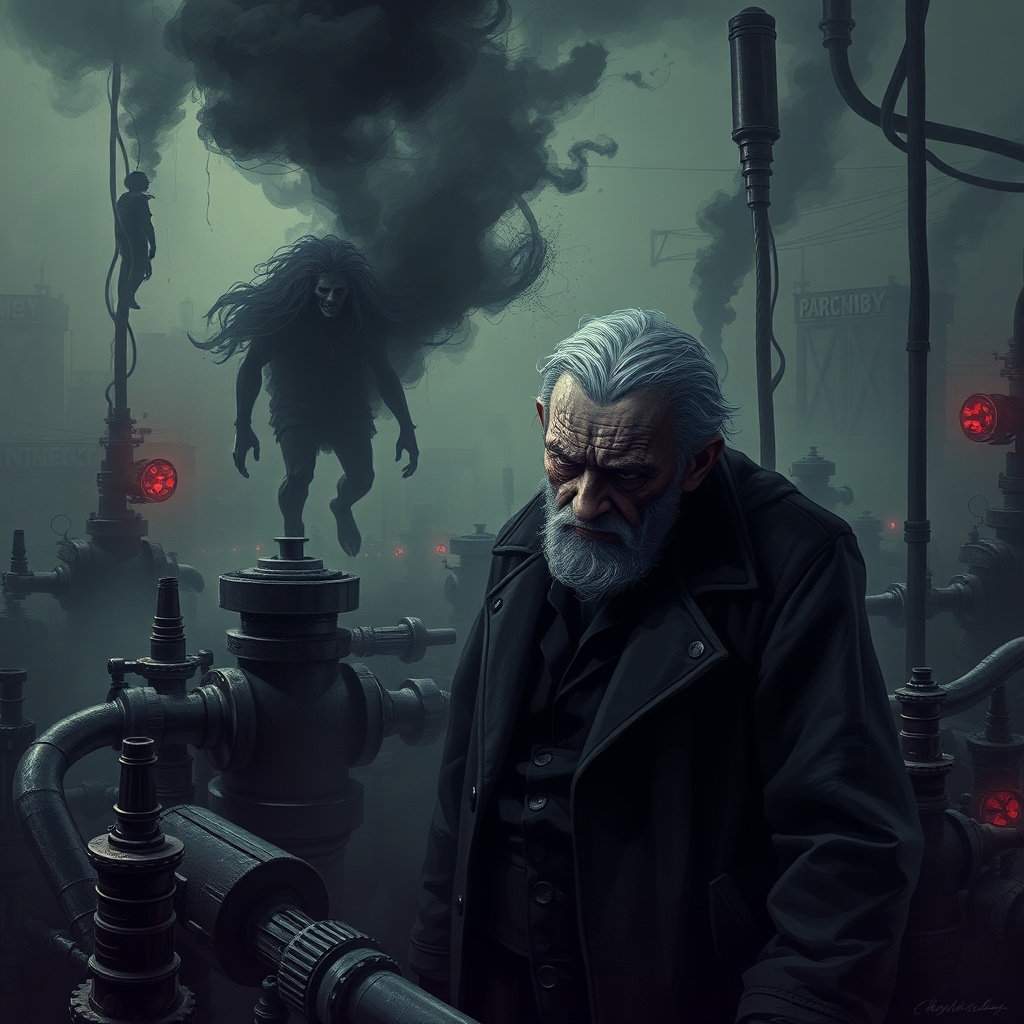
우리는 기술 발전이 언제나 인류에게 이로움을 가져다줄 것이라고 믿습니다. 삶을 편리하게 하고, 세상을 더 나은 곳으로 만든다고 말이죠. 하지만 때로는 가장 '혁신적'이라고 찬사받던 발명이 인류에게 돌이킬 수 없는 재앙을 안겨주기도 합니다. 오늘 제가 들려드릴 이야기는 바로 그런 비극적인 역사의 단면입니다. 📜
20세기 초, 자동차 산업의 눈부신 성장은 한 가지 큰 문제에 부딪혔습니다. 바로 엔진의 '노킹' 현상이었죠. 이 시끄러운 소음과 엔진 손상을 해결하기 위해 고군분투하던 한 남자가 있었습니다. 그는 바로 토머스 미즐리 주니어(Thomas Midgley Jr.). 유쾌하고 재능 넘치는 화학자이자 발명가였죠. 그의 손에서 자동차 산업의 오랜 숙원이 해결되는 듯 보였습니다. 하지만 그의 '위대한 발명'은 인류에게 가장 치명적인 독을 선물할 줄은 그 누구도 상상하지 못했습니다. 🌍
1. 유쾌한 천재의 위대한 발명인가? 📜
이야기는 1920년대 미국에서 시작됩니다. 당시 막 태동하던 자동차 산업은 뜨거운 감자였습니다. 수많은 사람들이 꿈에 그리던 '탈것'을 가질 수 있게 되었지만, 고질적인 문제가 있었으니 바로 엔진 노킹 현상이었습니다. 연료가 불규칙하게 폭발하며 엔진이 망가지고, 운전자들은 귀청을 때리는 소음에 시달려야 했죠. 제너럴 모터스(GM)는 이 문제를 해결하기 위해 당시 촉망받던 젊은 화학자, 토머스 미즐리 주니어를 투입합니다. 미즐리는 유머러스한 성격과 기발한 아이디어로 동료들 사이에서 'Midg'라는 별명으로 불렸다고 해요. 그의 임무는 간단했습니다. 엔진 노킹을 멈출 기적의 물질을 찾아내는 것! ✨
수많은 물질을 실험하던 미즐리는 마침내 해답을 찾았다고 확신했습니다. 그것은 바로 '테트라에틸납(Tetraethyllead, TEL)'이라는 화합물이었습니다. 이 물질을 휘발유에 소량만 첨가해도 엔진 노킹이 마법처럼 사라지는 것을 발견한 것이죠. GM과 듀폰(DuPont)은 즉시 이 기술의 상업화에 뛰어들었고, '에틸 휘발유(Ethyl Gasoline)'라는 이름으로 전 세계에 판매하기 시작했습니다. 미즐리는 이 발명으로 인해 당대 최고의 화학자로 명성을 얻었고, 그의 발명은 자동차의 대중화를 앞당기는 데 결정적인 역할을 할 것처럼 보였습니다.
2. 달콤한 성공 뒤에 드리운 검은 그림자 💥
하지만 승승장구하던 미즐리의 앞날에는 먹구름이 드리우고 있었습니다. 테트라에틸납을 생산하는 공장에서 이상한 일이 벌어지기 시작한 것이죠. 작업자들이 환각 증세를 보이거나, 몸이 마비되는 현상을 겪었고, 심지어 몇몇은 의문의 죽음을 맞이했습니다. '미친 가스 공장'이라는 섬뜩한 별명까지 붙을 정도였죠. 이 모든 증상의 원인은 바로 납! 😱 납은 인체에 치명적인 독성 물질이었고, 미즐리 자신도 납 중독 증상에 시달렸지만, 그는 이를 대수롭지 않게 여겼습니다. 심지어 대중 앞에서 자신의 손에 유연 휘발유를 붓고 냄새를 맡으며 '나는 매일 납에 노출되어도 아무 문제가 없다'는 어처구니없는 시연까지 보였습니다. 물론 그는 이 시연 직후 병원에 입원해야 했죠.
당시 GM과 듀폰은 유연휘발유의 위험성을 인지하고 있었음에도 불구하고 막대한 경제적 이익을 위해 이를 은폐하려 했습니다. 내부 보고서에서는 납 중독의 심각성을 경고했지만, 이 보고서는 외부로 공개되지 않았고, 대신 '납 중독은 단순한 유언비어'라는 식의 홍보를 이어갔습니다. 기업의 탐욕이 인류의 건강을 위협한 비극적인 사례라 할 수 있죠.
3. 멈출 수 없는 납 독극물, 지구를 병들게 하다 🌍
미즐리의 발명은 전 세계로 퍼져나갔습니다. 수십 년간 수십억 갤런의 유연휘발유가 자동차 연료로 사용되었고, 그 결과 납은 대기 중으로, 그리고 토양과 물속으로 무차별적으로 방출되었습니다. 보이지 않는 독극물은 조용히 전 지구를 병들게 했습니다. 특히 어린이들에게 치명적이었습니다. 납은 뇌 발달을 저해하여 IQ를 떨어뜨리고, 행동 장애, 학습 능력 저하, 심지어 폭력성 증가와도 연관이 있다는 사실이 밝혀졌습니다. 그야말로 세대를 거쳐 인류의 지능과 건강을 갉아먹는 재앙이었죠.
| 연도 | 주요 사건 |
|---|---|
| 1921년 | 토머스 미즐리, 테트라에틸납(TEL) 발견 |
| 1923년 | '에틸 휘발유' 상업 생산 시작 |
| 1970년대 이후 | 환경 단체 및 과학자들의 경고, 유연휘발유 퇴출 운동 확산 |
| 2021년 | 알제리를 마지막으로 전 세계 유연휘발유 사용 전면 중단 |
납은 인체에 흡수되면 신경계, 혈액, 신장 등 다양한 장기에 치명적인 손상을 입힙니다. 특히 어린 아이들은 납에 더욱 취약하여 소량의 노출로도 심각한 발달 장애를 겪을 수 있습니다. 납 중독은 한때 미국에서 '납 폭력'이라는 사회 문제와도 연결될 정도로 심각한 영향을 미쳤습니다.
4. 비극적인 말로와 사라진 독극물 💨
유연휘발유뿐만 아니라, 오존층 파괴의 주범인 프레온 가스(CFCs) 또한 토머스 미즐리의 발명이었습니다. 그는 말 그대로 '지구를 두 번 병들게 한' 인물로 역사에 기록됩니다. 하지만 그의 개인적인 최후는 더욱 비극적이었습니다. 51세에 소아마비를 앓아 거동이 불편해지자, 그는 자신을 침대에서 일으켜 세우는 복잡한 도르래 시스템을 고안했습니다. 아이러니하게도, 1944년 그는 이 도르래 시스템에 얽혀 질식사하는 비극적인 최후를 맞았습니다. 사고인지 자살인지에 대한 논란은 여전히 남아 있습니다. 😔
토머스 미즐리 주니어 📜
미국의 화학자이자 발명가. 자동차 엔진 노킹 문제 해결을 위해 유연휘발유(테트라에틸납)를 발명했으며, 이후 냉매용 프레온 가스(CFCs)를 개발하여 인류에게 두 차례에 걸친 환경 재앙을 안겨준 인물. 그의 삶과 발명은 기술 발전의 윤리적 책임에 대한 깊은 질문을 던집니다.
다행히도, 전 세계적인 노력으로 유연휘발유는 20세기 말부터 점차 퇴출되었고, 2021년에는 알제리를 마지막으로 모든 나라에서 사용이 전면 중단되었습니다. 하지만 수십 년간 배출된 납은 여전히 우리 환경 속에 남아 인류의 유산으로 존재하고 있습니다. 😥
5. 우리가 얻을 수 있는 교훈 💡
토머스 미즐리의 이야기는 '역사의 조연들'이 어떻게 세상을 뒤흔들 수 있는지, 그리고 선한 의도로 시작된 발명조차 얼마나 치명적인 결과를 초래할 수 있는지 보여주는 강력한 교훈을 줍니다. 우리는 미즐리를 단순히 '악의적인 발명가'로 낙인찍을 수 있을까요? 아니면 당시 과학 기술의 한계와 기업의 윤리 부재가 빚어낸 비극으로 봐야 할까요? 그의 이야기는 기술 발전의 이면에 숨겨진 책임과 윤리적 고민의 중요성을 다시 한번 일깨워줍니다. 🤔
자주 묻는 질문 (FAQ) ❓
Q1: 토머스 미즐리는 자신의 발명이 해롭다는 것을 몰랐나요?
A1: 초기에는 납의 위험성이 명확히 알려지지 않았을 수 있지만, 공장 직원들의 납 중독 증상과 사망 사건, 그리고 미즐리 자신도 납 중독을 겪었음에도 불구하고 그는 위험성을 축소하거나 무시했습니다. 이후 프레온 가스 개발 시점에는 환경 문제가 더욱 명확해지고 있었음에도 연구를 진행했죠.
Q2: 유연휘발유 사용 금지로 인해 환경은 얼마나 개선되었나요?
A2: 유연휘발유의 전면 사용 중단 이후 전 세계적으로 대기 중 납 농도가 급격히 감소했습니다. 이는 특히 어린이들의 혈중 납 농도 감소와 인지 능력 향상에 긍정적인 영향을 미쳤다는 연구 결과가 많습니다. 하지만 토양과 수중에는 여전히 납이 잔류하고 있어 장기적인 모니터링이 필요합니다.
Q3: 유연휘발유가 사라진 후 자동차 엔진 노킹은 어떻게 해결되었나요?
A3: 오늘날 휘발유는 납 대신 옥탄가를 높이는 다른 첨가제(예: MTBE, 에탄올)를 사용하며, 엔진 기술도 발전하여 노킹 현상을 효율적으로 제어하고 있습니다. 기술은 계속 발전하지만, 환경과 인체에 미치는 영향을 최우선으로 고려하는 것이 중요하겠죠.
이처럼 사소한 발견 하나가, 혹은 한 사람의 결정이 역사의 물줄기를 통째로 바꾸고 세대에 걸친 영향을 미치기도 합니다. 기술 발전의 혜택을 누리는 동시에, 그 그림자에 대해서도 깊이 성찰해야 할 이유가 여기에 있습니다. 여러분이 알고 있는 또 다른 '역사의 조연'이나 숨겨진 이야기가 있다면 댓글로 자유롭게 공유해주세요! 다음 이야기에서 또 다른 역사의 미스터리를 파헤치러 오겠습니다. ✨
We often believe that technological advancements invariably bring benefits to humanity, making life easier and the world a better place. However, sometimes even the most 'innovative' inventions, once lauded, can inflict irreversible disasters upon us. The story I'm about to share is a tragic facet of such history. 📜
In the early 20th century, the burgeoning automotive industry faced a significant challenge: engine 'knocking.' This loud noise and engine damage plagued drivers. There was one man who tirelessly worked to solve this problem: Thomas Midgley Jr., a cheerful and talented chemist and inventor. It seemed as though a long-standing automotive dilemma was about to be resolved by his hands. Yet, no one could have imagined that his 'great invention' would bestow upon humanity one of its most lethal poisons. 🌍
1. A Brilliant Genius's Great Invention? 📜
The story begins in the 1920s United States. The nascent automotive industry was a hot topic. Many people could finally own their dream 'vehicle,' but a persistent problem was engine knocking. Irregular fuel explosions damaged engines, and drivers suffered from deafening noise. General Motors (GM) assigned Thomas Midgley Jr., a promising young chemist, to solve this issue. Midgley was known among colleagues as 'Midg' due to his humorous personality and ingenious ideas. His mission was simple: find a miraculous substance to stop engine knocking! ✨
After experimenting with numerous substances, Midgley was convinced he had found the answer. It was a compound called 'Tetraethyllead (TEL)'. He discovered that adding just a small amount of this substance to gasoline made engine knocking disappear as if by magic. GM and DuPont immediately moved to commercialize this technology, selling it worldwide under the name 'Ethyl Gasoline.' Midgley gained renown as a top chemist of his era for this invention, and it seemed his discovery would play a crucial role in popularizing automobiles.
2. The Dark Shadow Behind Sweet Success 💥
However, a dark cloud was gathering over Midgley's triumphant path. Strange occurrences began at the factories producing tetraethyllead. Workers experienced hallucinations, paralysis, and some even met mysterious deaths. The factory earned the eerie nickname 'the House of Butterflies' due to the hallucinations caused by lead exposure. The cause of all these symptoms was lead! 😱 Lead was a deadly toxic substance to the human body, and even though Midgley himself suffered from lead poisoning symptoms, he dismissed them as trivial. He even performed an absurd public demonstration, pouring leaded gasoline on his hands and inhaling its fumes, claiming 'I'm exposed to lead every day and have no problems.' Of course, he had to be hospitalized shortly after this stunt.
At the time, GM and DuPont were aware of the dangers of leaded gasoline but tried to conceal them for immense economic gain. Internal reports warned about the severity of lead poisoning, but these reports were not released to the public. Instead, they promoted the idea that 'lead poisoning is merely a rumor.' This is a tragic example of corporate greed threatening human health.
3. The Unstoppable Lead Poison, Sickness of the Earth 🌍
Midgley's invention spread globally. For decades, billions of gallons of leaded gasoline were used as car fuel, indiscriminately releasing lead into the atmosphere, soil, and water. This invisible poison quietly sickened the entire planet. It was particularly fatal for children. Lead was found to inhibit brain development, leading to reduced IQ, behavioral disorders, impaired learning abilities, and even increased aggression. It was, quite literally, a disaster that eroded human intelligence and health across generations.
| Year | Key Event |
|---|---|
| 1921 | Thomas Midgley discovers Tetraethyllead (TEL) |
| 1923 | Commercial production of 'Ethyl Gasoline' begins |
| 1970s onward | Environmental groups and scientists warn, movement to ban leaded gasoline spreads |
| 2021 | Worldwide ban on leaded gasoline fully implemented with Algeria as the last country |
When absorbed into the human body, lead causes severe damage to various organs, including the nervous system, blood, and kidneys. Children, in particular, are highly susceptible to lead, and even small exposures can lead to serious developmental disorders. Lead poisoning was once so severe in the US that it was linked to a social issue known as 'lead violence.'
4. A Tragic End and the Vanishing Poison 💨
Beyond leaded gasoline, CFCs (chlorofluorocarbons), the primary culprit behind ozone layer depletion, were also an invention of Thomas Midgley. He is literally recorded in history as the individual who 'sickened the Earth twice.' However, his personal end was even more tragic. Paralyzed by polio at age 51, he devised a complex pulley system to help him get out of bed. Ironically, in 1944, he died tragically by strangulation, entangled in this very system. The debate over whether it was an accident or suicide still persists. 😔
Thomas Midgley Jr. 📜
An American chemist and inventor. He invented leaded gasoline (tetraethyllead) to solve the problem of engine knocking in automobiles and later developed CFCs for refrigerants, bringing two major environmental disasters upon humanity. His life and inventions raise profound questions about the ethical responsibilities of technological advancement.
Fortunately, through global efforts, leaded gasoline was gradually phased out starting in the late 20th century, with its complete cessation of use worldwide in 2021, Algeria being the last country. However, the lead released over decades still remains in our environment as a human legacy. 😥
5. Lessons We Can Learn 💡
The story of Thomas Midgley offers a powerful lesson on how 'supporting characters in history' can shake the world, and how even inventions conceived with good intentions can lead to devastating consequences. Can we simply brand Midgley as a 'malevolent inventor'? Or should we view it as a tragedy stemming from the scientific and technological limitations of his era and corporate ethical failures? His story once again highlights the importance of responsibility and ethical considerations hidden behind technological progress. 🤔
Frequently Asked Questions (FAQ) ❓
Q1: Did Thomas Midgley know his invention was harmful?
A1: While the dangers of lead might not have been clearly understood initially, factory workers experienced severe lead poisoning symptoms and deaths, and Midgley himself suffered from lead poisoning. Despite this, he downplayed or ignored the risks. Furthermore, when he developed CFCs, environmental concerns were becoming clearer, yet he proceeded with his research.
Q2: How much has the environment improved since the ban on leaded gasoline?
A2: Following the complete ban on leaded gasoline, global atmospheric lead concentrations have sharply decreased. Studies indicate this has positively impacted children's blood lead levels and cognitive abilities. However, lead still remains in soil and water, necessitating long-term monitoring.
Q3: How is engine knocking resolved now that leaded gasoline is gone?
A3: Today's gasoline uses other additives (e.g., MTBE, ethanol) instead of lead to increase octane ratings, and engine technology has advanced to efficiently control knocking. While technology continues to evolve, it's crucial to prioritize its impact on the environment and human health.
Thus, a seemingly minor discovery, or a single person's decision, can entirely alter the course of history and have generational impacts. This is why it's essential to deeply reflect on the shadows of technological progress while enjoying its benefits. If you know of any other 'supporting characters in history' or hidden stories, please feel free to share them in the comments! I'll be back to uncover another historical mystery in our next story. ✨
댓글
댓글 쓰기