[History] 11. 황금왕 만사 무사의 순례길: 그의 '자선'이 지중해 경제를 붕괴시킨 충격적인 비밀 (Mansa Musa's Pilgrimage of Gold: The Shocking Secret of How His 'Charity' Collapsed the Mediterranean Economy)
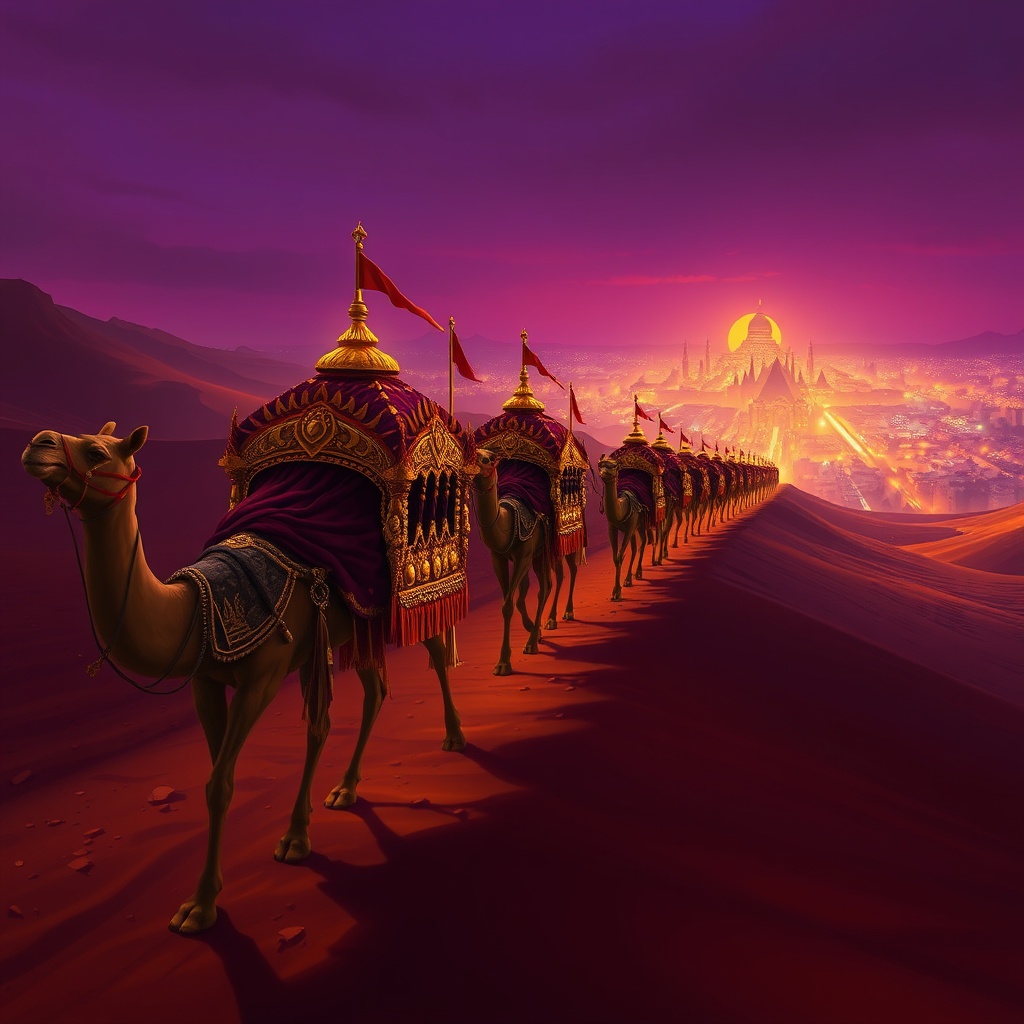
여러분은 혹시 '선한 의도'가 전혀 예상치 못한 거대한 파장을 일으킬 수 있다는 것을 믿으시나요? 🤔 역사 속에는 평범한 교과서에서는 배울 수 없는, 기상천외한 이야기들이 숨어 있습니다. 오늘은 인류 역사상 가장 부유했던 인물로 손꼽히는 한 왕의 이야기로 여러분을 초대합니다. 그의 이름은 바로 14세기 서아프리카 말리 제국의 통치자, 만사 무사. 그는 신앙심에서 우러나온 순례길에서 엄청난 황금을 베풀었고, 그 결과는... 놀랍게도 지중해 경제 전체를 뒤흔들어 놓는 대재앙이었습니다! 🌍 과연 그의 '자선'은 어떻게 수많은 사람들의 삶에 지울 수 없는 흔적을 남겼을까요?
황금의 제국, 말리 그리고 전설의 왕 👑
이야기는 14세기 초, 서아프리카의 광활한 사막 한가운데 자리 잡고 있던 말리 제국에서 시작됩니다. 당시 말리는 전 세계 금 생산량의 절반 이상을 차지할 만큼 엄청난 황금 매장량을 자랑하는, 문자 그대로 '황금의 제국'이었습니다. 그리고 이 거대한 부를 다스리던 이가 바로 만사 무사였습니다. 그의 개인적인 재산은 현대 가치로 환산하면 상상조차 불가능할 정도였다고 전해집니다. 당시 그 어떤 유럽의 왕이나 황제도 감히 비할 수 없는 부와 권력을 지녔던 그가, 일생일대의 결심을 하게 됩니다. 바로 이슬람 신도에게 가장 신성한 의무인 메카 순례였습니다.
전설의 시작, 황금빛 순례 행렬 🕌
서기 1324년, 만사 무사는 메카로 향하는 대장정을 시작했습니다. 이 순례는 단순한 여행이 아니었습니다. 역사상 유례없는 규모의 행렬이었죠. 수만 명의 신하와 병사, 하인들이 동원되었고, 셀 수 없이 많은 낙타와 말이 그들의 뒤를 따랐습니다. 특히 눈길을 끈 것은 낙타마다 실려 있던 어마어마한 양의 황금이었습니다. 기록에 따르면, 각 낙타는 수백 킬로그램의 순금을 싣고 있었다고 합니다. 이 엄청난 황금은 순례길에서 만나는 가난한 사람들에게 베풀어지고, 사원 건축에 기부되며, 필요한 물건을 구매하는 데 사용될 예정이었습니다. 당시 사람들은 아마 이 광경을 보며 '신이 내린 황금왕'이라 생각했을 것입니다. 하지만 이 황금빛 행렬이 몰고 올 파급 효과는 아무도 예측하지 못했습니다.
이집트 카이로에 드리워진 황금의 그림자 💥
만사 무사의 순례길은 여러 도시를 거쳤지만, 가장 큰 영향을 받은 곳은 바로 당시 지중해 무역의 중심지였던 이집트의 수도 카이로였습니다. 무사 왕은 카이로에 약 3개월간 머물며, 그의 전설적인 자선 행위를 아낌없이 펼쳤습니다. 그는 가는 곳마다 금을 뿌렸고, 가난한 이들에게 아낌없이 황금을 나누어주었으며, 시장에서 물건을 살 때도 후한 값에 금을 지불했습니다. 처음에는 카이로 시민들이 환호했습니다. 황금은 넘쳐났고, 사람들은 부자가 된 기분에 들떴습니다. 하지만 그 기쁨은 오래가지 못했습니다. 며칠이 지나고 몇 주가 흐르자, 상황은 급변하기 시작했습니다.
만사 무사의 자선이 순수한 의도였는지에 대한 논쟁도 있습니다. 당시 일부 학자들은 그의 황금 살포가 말리 제국의 부와 권력을 과시하고, 다른 왕국들에게 경고 메시지를 보내는 정치적 행위였다고 분석하기도 합니다. 그의 행동이 가져온 결과는 어떠했든, 그 영향력만큼은 부인할 수 없는 역사적 사실입니다.
황금의 저주: 폭락하는 가치, 휘청이는 경제 💸
카이로에 엄청난 양의 황금이 풀리자, 시장의 균형은 순식간에 무너졌습니다. 수요와 공급의 법칙에 따라, 금의 가치가 폭락하기 시작한 것입니다. 너무나 많은 금이 유통되면서, 금은 더 이상 희귀하고 귀한 금속이 아니게 되었습니다. 이제 사람들은 금을 받아도 과거와 같은 가치를 얻을 수 없게 되었고, 물건의 가격은 천정부지로 치솟았습니다. 이 여파는 이집트를 넘어 지중해 전역으로 퍼져나갔습니다. 10년이 넘는 기간 동안, 지중해 지역의 경제는 만사 무사의 순례로 인한 금의 가치 하락 때문에 극심한 혼란을 겪어야 했습니다. 이는 역사상 '황금 쇼크'로 기록될 만한 사건이었습니다.
사건 요약: 만사 무사의 황금 쇼크 📜
- 시기: 14세기 (주로 1324년 순례 및 이후 10년간)
- 주요 인물: 말리 제국의 왕 만사 무사
- 사건 배경: 메카 순례길에서 이집트 카이로에 대량의 황금 살포
- 핵심 결과: 이집트 및 지중해 경제의 금 가치 폭락 및 인플레이션, 약 10년간 경제 혼란
현대 경제학에서도 통화량의 급격한 증가는 인플레이션을 유발한다는 사실을 강조합니다. 만사 무사의 사례는 화폐의 가치가 공급량에 얼마나 민감하게 반응하는지를 보여주는 고대 사례라고 할 수 있습니다.
역사의 아이러니, 그리고 현대적 교훈 🔮
만사 무사는 역사상 가장 부유한 왕으로 기억되지만, 아이러니하게도 그의 지극한 '자선'은 수많은 사람들에게 경제적 고통을 안겨주었습니다. 이는 선의의 행동이라 할지라도, 그 파급 효과를 제대로 예측하지 못하면 전혀 다른 결과를 초래할 수 있다는 것을 보여주는 극적인 사례입니다. 한 개인의 행동이 거대한 문명권 전체의 경제 시스템에 영향을 미칠 수 있다는 사실은 우리에게 많은 것을 생각하게 합니다. 오늘의 우리는 과거의 실수를 통해 무엇을 배울 수 있을까요?
자주 묻는 질문 (FAQ) 🤔
- Q1: 만사 무사는 정말 역사상 가장 부유한 인물이었나요?
- A: 네, 많은 역사학자와 경제학자들이 그의 재산을 현대 가치로 환산하면 수천조 원에 달할 것으로 추정하며, 이는 현대의 어떤 부자도 비교할 수 없는 수준이라고 평가합니다. 당시 세계 금 생산량의 절반 이상을 말리 제국이 독점했기 때문입니다.
- Q2: 만사 무사가 뿌린 황금의 양은 어느 정도였나요?
- A: 정확한 수치는 기록마다 차이가 있지만, 수십 톤에서 많게는 100톤 이상으로 추정됩니다. 이 엄청난 양이 짧은 기간에 이집트 시장에 풀리면서 금의 가치 폭락을 초래했습니다.
- Q3: 그의 순례가 지중해 경제에 미친 영향은 정확히 무엇이었나요?
- A: 금의 가치 하락으로 인한 대규모 인플레이션이 발생했고, 이는 이집트 화폐 가치의 폭락으로 이어졌습니다. 이 여파는 베니스, 제노바 등 지중해 주요 무역 도시들에도 영향을 미쳐 약 10년간 경제적 불안정과 침체를 야기했습니다.
Do you believe that 'good intentions' can sometimes lead to unforeseen, massive consequences? 🤔 Hidden within history are extraordinary stories that you won't find in typical textbooks. Today, I invite you to delve into the tale of a king widely regarded as the wealthiest individual in human history. His name is Mansa Musa, the ruler of the Mali Empire in 14th-century West Africa. During his pilgrimage to Mecca, driven by deep faith, he bestowed an immense amount of gold. The result? Surprisingly, it was a catastrophe that rocked the entire Mediterranean economy! 🌍 How exactly did his 'charity' leave an indelible mark on the lives of countless people?
The Empire of Gold, Mali, and the Legendary King 👑
The story begins in the early 14th century, in the vast heart of West Africa, within the Mali Empire. At that time, Mali was literally an 'Empire of Gold,' boasting such immense gold reserves that it accounted for over half of the world's gold production. The ruler of this vast wealth was Mansa Musa. His personal wealth is said to be unimaginable when converted to modern values, far surpassing any European king or emperor of his time. This man, possessed of incomparable wealth and power, made a momentous decision: to undertake the pilgrimage to Mecca, the holiest duty for a Muslim.
The Start of a Legend, A Golden Pilgrimage Procession 🕌
In the year 1324, Mansa Musa embarked on his grand journey to Mecca. This pilgrimage was no mere trip; it was a procession of unprecedented scale in history. Tens of thousands of courtiers, soldiers, and servants were mobilized, followed by countless camels and horses. What particularly caught the eye was the enormous amount of gold carried by each camel. Records indicate that each camel carried hundreds of kilograms of pure gold. This vast gold was intended to be distributed to the poor encountered along the pilgrimage, donated for mosque construction, and used to purchase necessary goods. People at the time must have seen this spectacle and thought of him as a 'Gold King sent by God.' Yet, no one could have predicted the ripple effect this golden procession would unleash.
The Shadow of Gold Cast Over Cairo, Egypt 💥
Mansa Musa's pilgrimage passed through several cities, but the one most significantly impacted was Cairo, the capital of Egypt, a major trade hub in the Mediterranean at the time. King Musa stayed in Cairo for approximately three months, engaging in his legendary acts of charity without reservation. He showered gold wherever he went, generously distributed it to the poor, and paid lavishly with gold for goods in the markets. Initially, the citizens of Cairo rejoiced. Gold was abundant, and people felt elated as if they had become wealthy. However, their joy was short-lived. After a few days and weeks, the situation rapidly changed.
There is debate over whether Mansa Musa's charity was purely altruistic. Some scholars at the time analyzed his gold distribution as a political act intended to display the wealth and power of the Mali Empire and send a warning message to other kingdoms. Regardless of the intentions, the impact of his actions remains an undeniable historical fact.
The Curse of Gold: Plummeting Value, Staggering Economy 💸
As an immense amount of gold flooded into Cairo, the market equilibrium quickly collapsed. According to the law of supply and demand, the value of gold began to plummet. With so much gold in circulation, it was no longer a rare and precious metal. People could no longer obtain the same value for gold as before, and the prices of goods soared uncontrollably. The ripple effect spread beyond Egypt to the entire Mediterranean region. For over a decade, the Mediterranean economy suffered severe disruption due to the devaluation of gold caused by Mansa Musa's pilgrimage. This was an event worthy of being recorded in history as the 'Gold Shock.'
Event Summary: Mansa Musa's Gold Shock 📜
- Period: 14th century (primarily 1324 pilgrimage and subsequent 10 years)
- Key Figure: Mansa Musa, King of the Mali Empire
- Event Background: Massive distribution of gold in Cairo, Egypt during his Mecca pilgrimage
- Key Result: Devaluation of gold and inflation in Egypt and the Mediterranean economy, leading to about 10 years of economic chaos.
Modern economics also emphasizes that a rapid increase in money supply leads to inflation. Mansa Musa's case can be seen as an ancient example demonstrating how sensitive the value of currency is to its supply.
Historical Irony, and Modern Lessons 🔮
Mansa Musa is remembered as the richest king in history, yet ironically, his profound 'charity' inflicted economic hardship on countless people. This serves as a dramatic example illustrating that even actions taken with good intentions can lead to completely different outcomes if their ripple effects are not properly anticipated. The fact that an individual's actions can influence the entire economic system of a vast civilization makes us ponder deeply. What can we learn from the mistakes of the past today?
Frequently Asked Questions (FAQ) 🤔
- Q1: Was Mansa Musa truly the wealthiest person in history?
- A: Yes, many historians and economists estimate his wealth, when converted to modern values, to be in the trillions of dollars, a level unmatched by any modern billionaire. This is largely because the Mali Empire controlled over half of the world's gold production at the time.
- Q2: How much gold did Mansa Musa distribute?
- A: While exact figures vary by record, it is estimated to be from tens of tons to possibly over 100 tons. This immense quantity, released into the Egyptian market in a short period, led to the gold's value plummeting.
- Q3: What exactly was the impact of his pilgrimage on the Mediterranean economy?
- A: The devaluation of gold caused widespread inflation, which led to a collapse in the value of Egyptian currency. This ripple effect impacted major Mediterranean trade cities like Venice and Genoa, causing about 10 years of economic instability and recession.
만사 무사의 황금 순례길은 단순히 한 왕의 일화로 끝나지 않습니다. 우리가 의도치 않게 일으킬 수 있는 거대한 파급 효과에 대해 깊이 생각하게 만드는 역사적 교훈이죠. 사소한 행동 하나가, 혹은 선한 의도라 할지라도 통찰력 없이는 전혀 다른 결과를 초래할 수 있다는 점을 말입니다. 여러분은 이 이야기를 통해 어떤 점을 느끼셨나요? 만약 당신이 만사 무사였다면, 어떻게 행동했을까요? 다음번에도 '역사의 조연들'이 들려줄 또 다른 숨겨진 이야기에 귀 기울여 주세요! 😊
Mansa Musa's gold pilgrimage is not just an anecdote about a king. It's a historical lesson that makes us deeply consider the massive ripple effects we can inadvertently cause. It shows us that even a minor action, or a good intention, can lead to entirely different outcomes without proper foresight. What did you take away from this story? If you were Mansa Musa, how would you have acted? Please look forward to another hidden story from 'Supporting Characters in History' next time! 😊
댓글
댓글 쓰기