[History] 25. 바이킹의 아메리카 발견: 콜럼버스보다 500년 빨랐던 그들의 정착과 실패 (The Viking Discovery of America: Their Settlement and Failure 500 Years Before Columbus)
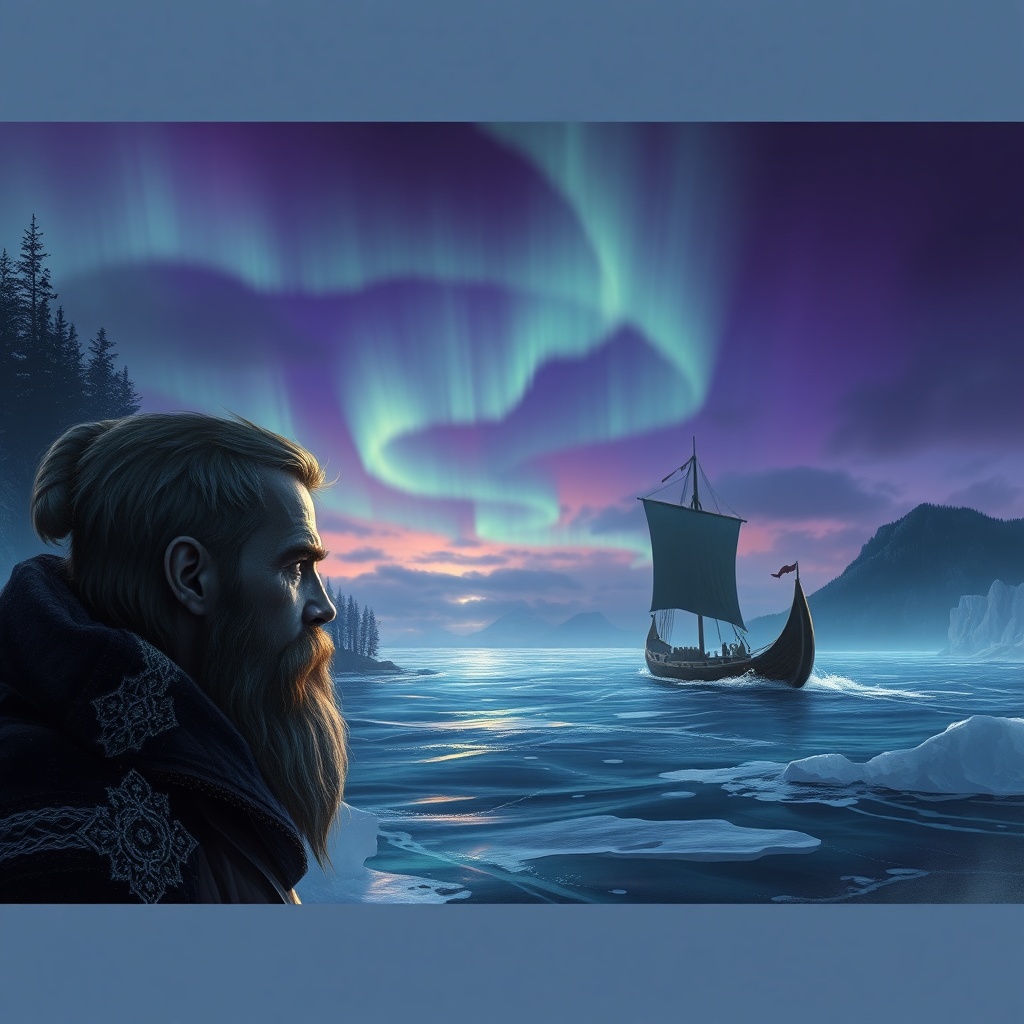
아메리카 대륙을 처음 발견한 인물이 누구라고 알고 계신가요? 아마 대부분의 교과서에서 크리스토퍼 콜럼버스를 언급할 것입니다. 🤔 하지만 제가 오늘 들려드릴 이야기는 그보다 무려 500년 전, 이미 푸른 눈과 강인한 정신을 가진 탐험가들이 대서양을 건너 새로운 땅에 발을 디뎠다는 놀라운 사실입니다. 바로 북유럽의 거친 항해자, 바이킹 이야기죠. 📜
역사 교과서에는 단 한 줄도 나오지 않지만, 세계사의 물줄기를 통째로 뒤흔들 뻔했던 그들의 드라마틱한 도전과 예측 불가능한 좌절—이 이야기는 마치 한 편의 미스터리 영화처럼 우리를 과거로 이끌 것입니다. 과연 바이킹은 왜 그 위대한 발견을 영원한 정착으로 이끌지 못하고 역사 속으로 사라져야 했을까요? 지금부터 그 숨겨진 진실을 파헤쳐 보겠습니다. 💥
1. 서쪽으로 향한 용감한 항해자, 레이프 에릭슨 🌍
10세기 말, 바이킹의 탐험 열기는 절정에 달해 있었습니다. 전설적인 탐험가 '붉은 에이리크(Eric the Red)'가 그린란드에 정착촌을 세우며 북대서양 항해 시대를 열었죠. 그의 아들 레이프 에릭슨은 아버지의 용맹함을 이어받은 채, 미지의 서쪽 바다에 대한 강렬한 호기심을 품고 있었습니다.
전해지는 이야기에 따르면, 그린란드 상인 비아르니 헤룔프손이 폭풍에 휩쓸려 항로를 이탈했다가 서쪽 어딘가에 숲이 무성한 땅을 보았다고 합니다. 그 이야기를 들은 레이프 에릭슨은 새로운 땅의 풍부한 목재와 자원에 대한 가능성을 직감했습니다. 그린란드는 나무가 부족했기 때문에, 이는 바이킹에게 매우 매력적인 소식이었죠. 결국 그는 결심했습니다. 아버지의 발자취를 넘어, 더 서쪽으로 향하는 대장정을 시작하기로요.
레이프 에릭슨 (Leif Erikson) 📜
활동 시기: 10세기 말 ~ 11세기 초
주요 업적: 아메리카 대륙을 최초로 발견하고 '빈란드'라 명명, 유럽인 최초로 북미에 정착촌 건설 시도.
특징: 아이슬란드 사가(Saga)에 기록된 전설적인 탐험가이자 '붉은 에이리크'의 아들. 훗날 기독교 전파에도 기여.
2. 빈란드, 약속의 땅에 도착하다 🌱
서기 1000년경, 레이프 에릭슨이 이끄는 바이킹 선단은 드디어 미지의 대륙에 닿았습니다. 그들은 세 개의 주요 지역을 발견했는데, 북쪽에서부터 바위투성이의 헬룰란드(Helluland: '바위 땅'), 숲이 울창한 마르클란드(Markland: '숲 땅'), 그리고 남쪽의 온화하고 비옥한 빈란드(Vinland: '포도 땅')였습니다. 현재 이들 지역은 각각 캐나다의 배핀섬, 래브라도, 뉴펀들랜드로 추정되고 있습니다. 특히 빈란드에서는 야생 포도가 풍부하게 자라고 있었고, 바이킹들은 이곳에 정착지를 세우기로 결정했습니다. 바로 오늘날 유네스코 세계문화유산인 '랑스 오 메도스(L'Anse aux Meadows)' 유적이죠. 이곳은 북미에 건설된 유럽인의 최초 정착지였습니다.
이로써 아메리카 대륙은 콜럼버스보다 5세기나 일찍 유럽인에게 발견된 셈입니다. 하지만 이들의 이야기는 왜 잊혀졌을까요? 두 탐험의 차이점을 한번 비교해볼까요?
| 항해자 | 시기 | 발견 지역 | 주요 목표 | 영향 |
|---|---|---|---|---|
| 레이프 에릭슨 (바이킹) | 서기 1000년경 | 북미 뉴펀들랜드 (빈란드) | 새로운 정착지, 자원 확보 | 제한적, 북유럽 사가에만 존재 |
| 크리스토퍼 콜럼버스 | 서기 1492년 | 카리브해 (서인도 제도) | 아시아 항로 개척, 무역 | 전 세계적, 식민 시대 개막 |
3. 낯선 만남, 스크렐링과의 충돌 💥
빈란드에 정착한 바이킹들은 처음에는 풍요로운 땅에 대한 희망에 부풀었습니다. 그러나 곧 그들은 이 땅의 진짜 '주인'들을 만나게 됩니다. 바로 원주민들, 바이킹들이 '스크렐링(Skraelings)'이라 불렀던 이들이었죠. 초기에는 호기심 가득한 만남이었습니다. 바이킹은 원주민들에게 우유를 주고, 원주민들은 그 대가로 모피를 건네는 물물교환이 이루어지기도 했습니다.
하지만 평화는 오래가지 못했습니다. 문화적 차이와 의사소통의 부재는 곧 오해와 불신을 낳았고, 이는 필연적으로 충돌로 이어졌습니다. 사가에 따르면, 한 바이킹 전사가 스크렐링의 물건을 훔치려다 살해당하자 바이킹이 보복을 감행했고, 이후 스크렐링은 대규모로 무장하여 바이킹 정착지를 공격하기 시작했습니다. 💥
바이킹은 자신들의 뛰어난 무기와 갑옷으로 초기에는 우위를 점했지만, 스크렐링은 숫자에서 압도적이었고, 낯선 지형에 익숙했으며, 기습 공격에 능했습니다. 서로의 존재를 위협으로 인식한 두 문화의 충돌은 피할 수 없는 비극이었습니다.
4. 혹독한 환경과 사라진 꿈 🌬️
원주민과의 갈등 외에도, 바이킹은 빈란드의 혹독한 자연환경이라는 또 다른 거대한 장벽에 부딪혔습니다. 길고 추운 겨울은 생존을 위협했고, 그린란드나 아이슬란드 본국으로부터의 보급은 너무나 멀고 불안정했습니다. 새로운 땅에서 모든 것을 자급자족해야 했지만, 미지의 환경은 그들에게 끊임없는 시련을 안겨주었죠.
결국, 끝없는 원주민과의 전투, 고립감, 그리고 혹독한 자연이라는 삼중고에 시달리던 바이킹들은 빈란드에서의 영구 정착 꿈을 포기할 수밖에 없었습니다. 몇 년의 짧은 기간 동안만 머물렀을 뿐, 그들은 결국 배를 돌려 그린란드로 돌아갔습니다. 이렇게 인류 역사상 가장 위대한 '실패' 중 하나가 막을 내린 것입니다. 😥
바이킹 사가에 등장하는 '스크렐링'은 당시 북미 원주민들을 지칭하는 말로, '야만인', '땅딸막한 존재' 등의 의미를 가졌을 것으로 추정됩니다. 주로 이누이트(Inuit)족이나 베오툭(Beothuk)족과 같은 북미 원주민을 가리키는 것으로 보입니다.
5. 역사의 한 페이지, 잊혀진 채 남겨지다 📜
바이킹의 아메리카 발견은 왜 콜럼버스의 발견처럼 전 세계적인 파급 효과를 가져오지 못했을까요? 가장 큰 이유는 정보의 확산 방식과 당시 유럽의 상황 때문입니다. 바이킹의 이야기는 주로 아이슬란드 사가와 같은 구전 문화 속에서 전해졌고, 지중해를 중심으로 한 당시 유럽 사회에는 거의 알려지지 않았습니다. 또한, 바이킹 탐험은 주로 자원 확보와 소규모 정착에 목적이 있었을 뿐, 대규모 식민지 건설이나 새로운 무역로 개척 같은 거대한 국가적 프로젝트가 아니었습니다. 즉, 당시 유럽은 아메리카를 '발견'할 준비가 되어 있지 않았던 것이죠.
수백 년 동안 빈란드 이야기는 북유럽의 전설로만 남아 있었습니다. 하지만 20세기 중반, 노르웨이의 탐험가 헬게 잉스타드와 그의 아내 앤 스틴 잉스타드가 캐나다 뉴펀들랜드의 랑스 오 메도스에서 바이킹 정착지 유적을 발굴하면서, 이 전설은 역사적 사실로 증명되었습니다. 잊혀진 역사의 한 조각이 드디어 제자리를 찾게 된 것이죠. 😲
사가에서 빈란드는 '포도 땅'으로 묘사되지만, 실제 뉴펀들랜드 지역에서 야생 포도가 자랐을 가능성은 희박합니다. 많은 학자들은 여기서 말하는 '포도'가 북유럽인들에게 익숙지 않은 야생 베리(크랜베리, 월귤나무 열매 등)를 오인했거나, 과장된 표현이었을 것으로 추정합니다. 이는 바이킹 사가 해석의 중요한 부분입니다.
레이프 에릭슨과 바이킹의 아메리카 정착 시도는 비록 영구적인 성공을 거두지는 못했지만, 이는 인류의 탐험 역사에 있어 중요한 이정표였습니다. 콜럼버스보다 훨씬 앞서 대서양을 횡단하고 새로운 대륙에 발을 디뎠다는 사실 자체가 경이롭습니다. 이들의 이야기는 우리에게 탐험의 용기뿐만 아니라, 예측 불가능한 환경과 문화적 충돌의 어려움을 동시에 일깨워줍니다. 🤔
만약 레이프 에릭슨의 정착 시도가 성공했다면, 세계사는 어떻게 바뀌었을까요? 어쩌면 북미는 스페인이나 영국이 아닌, 바이킹의 후손들이 지배하는 땅이 되었을지도 모릅니다. 이처럼 사소해 보이지만 거대한 파급력을 가진 '역사의 조연들' 이야기는 오늘날 우리에게 수많은 질문을 던집니다. 여러분이 알고 있는 또 다른 '역사의 조연'이 있다면 댓글로 알려주세요! 😊
FAQ: 바이킹의 아메리카 발견에 대한 궁금증 ❓
- Q: 바이킹이 아메리카를 발견했다는 증거는 무엇인가요?
A: 주로 아이슬란드 사가(Saga)에 기록되어 있었으나, 1960년대 캐나다 뉴펀들랜드의 랑스 오 메도스에서 바이킹 정착지 유적이 발굴되면서 고고학적으로 증명되었습니다. - Q: 왜 바이킹의 정착은 실패했나요?
A: 주요 원인으로는 원주민 '스크렐링'과의 지속적인 충돌, 혹독하고 낯선 자연환경, 그리고 그린란드 본국으로부터의 보급 및 지원 부족 등이 꼽힙니다. - Q: 콜럼버스는 바이킹의 발견을 알고 있었나요?
A: 콜럼버스가 바이킹의 빈란드 사가를 직접적으로 알고 있었다는 명확한 증거는 없습니다. 당시 바이킹의 이야기는 북유럽 지역에서만 구전되거나 제한적으로 알려져 있었습니다.
Do you know who first discovered the American continent? Most textbooks would likely mention Christopher Columbus. 🤔 However, the story I'm about to tell you unveils a stunning truth: fully 500 years before Columbus, blue-eyed explorers with an iron will had already crossed the Atlantic and set foot on a new land. This is the tale of the Vikings, the rugged seafarers of the North. 📜
Though it may not appear in history textbooks, their dramatic endeavor and unpredictable setbacks – which nearly altered the course of global history – will draw us back into the past like a mystery film. Why did the Vikings, despite their monumental discovery, fail to establish a permanent settlement and fade into the annals of history? Let's uncover that hidden truth now. 💥
1. Leif Erikson: The Brave Navigator Who Headed West 🌍
By the late 10th century, the Viking spirit of exploration was at its peak. The legendary explorer 'Eric the Red' had established settlements in Greenland, ushering in an era of North Atlantic navigation. His son, Leif Erikson, inheriting his father's bravery, harbored an intense curiosity about the unknown western seas.
According to sagas, a Greenlandic merchant named Bjarni Herjolfsson was blown off course by a storm and reported sighting a land covered in forests to the west. Hearing this, Leif Erikson immediately recognized the potential for abundant timber and resources in this new land. As wood was scarce in Greenland, this news was highly appealing to the Vikings. He made his decision: he would embark on a grand expedition, venturing further west beyond his father's footsteps.
Leif Erikson 📜
Period of Activity: Late 10th century – Early 11th century
Major Achievements: First European to discover the North American continent, naming it 'Vinland,' and attempting to establish the first European settlement in North America.
Characteristics: A legendary explorer recorded in Icelandic sagas and son of 'Eric the Red.' Later contributed to the spread of Christianity.
2. Vinland: Arrival at the Land of Promise 🌱
Around 1000 AD, Leif Erikson's Viking fleet finally reached the unknown continent. They discovered three main regions: from north to south, rocky Helluland ('Stone-slab Land'), forested Markland ('Forest Land'), and the temperate, fertile Vinland ('Wine Land') in the south. These areas are believed to correspond to Baffin Island, Labrador, and Newfoundland in Canada, respectively. Especially in Vinland, wild grapes (or berries) were abundant, and the Vikings decided to establish a settlement there. This is the site of 'L'Anse aux Meadows,' now a UNESCO World Heritage site, which represents the first known European settlement in North America.
Thus, the American continent was discovered by Europeans five centuries before Columbus. But why was their story forgotten? Let's compare the two expeditions.
| Explorer | Period | Region Discovered | Main Objective | Impact |
|---|---|---|---|---|
| Leif Erikson (Viking) | c. 1000 AD | Newfoundland, North America (Vinland) | New settlements, resource acquisition | Limited, present only in Norse sagas |
| Christopher Columbus | 1492 AD | Caribbean (West Indies) | Pioneering route to Asia, trade | Global, ushered in colonial era |
3. Strange Encounters: Clashes with the Skraelings 💥
Initially, the Vikings who settled in Vinland were filled with hope for this abundant land. However, they soon encountered the land's true 'owners.' These were the indigenous peoples, whom the Vikings called 'Skraelings.' The initial encounters were filled with curiosity. The Vikings traded milk with the natives, who in turn offered furs.
But peace did not last long. Cultural differences and a lack of communication soon led to misunderstanding and distrust, inevitably resulting in conflict. According to the sagas, when a Viking warrior was killed attempting to steal from the Skraelings, the Vikings retaliated. Subsequently, the Skraelings began launching large-scale armed attacks on the Viking settlement. 💥
While the Vikings initially held an advantage with their superior weapons and armor, the Skraelings were numerically overwhelming, familiar with the unfamiliar terrain, and adept at surprise attacks. The clash between two cultures, each perceiving the other as a threat, was an unavoidable tragedy.
4. Harsh Environment and a Vanished Dream 🌬️
Beyond conflicts with indigenous peoples, the Vikings faced another formidable barrier: Vinland's harsh natural environment. Long, cold winters threatened survival, and resupply from their homelands in Greenland or Iceland was too distant and unreliable. They had to be self-sufficient in this new land, but the unknown environment presented them with continuous hardships.
Ultimately, plagued by endless skirmishes with the natives, a sense of isolation, and a harsh natural environment – a triple threat – the Vikings were forced to abandon their dream of permanent settlement in Vinland. They stayed for only a few short years before eventually turning their ships back to Greenland. Thus concluded one of humanity's greatest 'failures' in history. 😥
'Skraelings,' mentioned in the Viking sagas, is a term believed to refer to the indigenous peoples of North America at the time, possibly meaning 'barbarians' or 'stunted beings.' They likely referred to various North American indigenous groups, such as the Inuit or Beothuk peoples.
5. A Page in History, Left to Be Forgotten 📜
Why did the Viking discovery of America not have the same global impact as Columbus's discovery? The main reasons lie in the methods of information dissemination and the state of Europe at the time. The Viking stories were primarily transmitted through oral traditions like the Icelandic sagas and were largely unknown to the European society centered around the Mediterranean. Furthermore, Viking expeditions were primarily aimed at acquiring resources and establishing small settlements, not grand national projects like large-scale colonization or discovering new trade routes. In essence, Europe was not 'ready' to discover America at that time.
For centuries, the story of Vinland remained a legend of the North. However, in the mid-20th century, Norwegian explorer Helge Ingstad and his wife Anne Stine Ingstad excavated Viking settlement ruins at L'Anse aux Meadows in Newfoundland, Canada, proving the legend to be a historical fact. A forgotten piece of history finally found its place. 😲
While Vinland is described as 'Wine Land' in the sagas, it's unlikely that wild grapes grew in the actual Newfoundland region. Many scholars speculate that the 'wine' referred to was wild berries (such as cranberries or lingonberries) unfamiliar to North Europeans, or that it was an exaggerated description. This is a crucial aspect of interpreting the Viking sagas.
Leif Erikson and the Vikings' attempt to settle in America, though not a permanent success, was a significant milestone in human exploration history. The fact that they crossed the Atlantic and set foot on a new continent long before Columbus is astonishing. Their story reminds us not only of the courage of exploration but also the difficulties of unpredictable environments and cultural clashes. 🤔
What if Leif Erikson's settlement attempt had succeeded? Perhaps North America would have been dominated by descendants of Vikings, not Spain or England. Such 'unsung heroes of history,' seemingly minor yet with immense potential impact, pose countless questions for us today. If you know of another 'unsung hero of history,' please share in the comments! 😊
FAQ: Questions About the Viking Discovery of America ❓
- Q: What is the evidence for the Viking discovery of America?
A: It was primarily recorded in Icelandic sagas, but archaeological excavations of a Viking settlement at L'Anse aux Meadows in Newfoundland, Canada, in the 1960s, provided conclusive proof. - Q: Why did the Viking settlement fail?
A: Key reasons include continuous conflicts with the indigenous 'Skraelings,' a harsh and unfamiliar natural environment, and insufficient supplies and support from their Greenland homeland. - Q: Did Columbus know about the Viking discovery?
A: There is no clear evidence that Columbus was directly aware of the Vinland sagas. At the time, Viking stories were primarily transmitted orally or known only in a limited capacity within the Nordic regions.
댓글
댓글 쓰기