[History] 13. 여름이 사라진 해: 지구를 뒤흔든 화산 폭발이 낳은 기괴한 걸작의 비밀 📜 (The Year Without a Summer: The Secret of the Macabre Masterpiece Born from an Earth-Shaking Volcanic Eruption 📜)
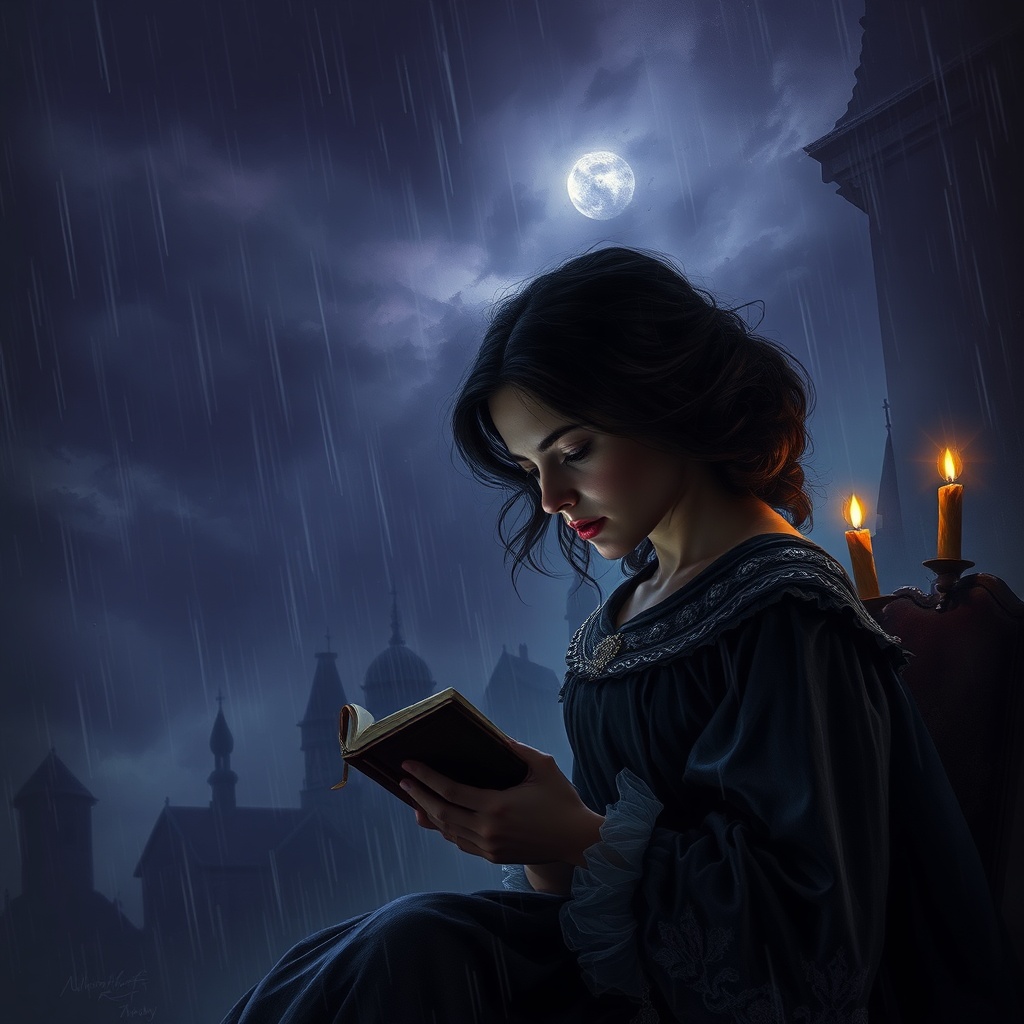
여러분은 혹시 1816년이 '여름 없는 해'였다는 사실을 아시나요? 그리고 이 극한의 기후 재앙이 인류 문명사에 길이 남을 한 걸작 소설의 탄생에 결정적인 영향을 주었다면 믿으시겠습니까? 🤔 오늘은 인도네시아의 거대한 화산 폭발이 영국 시골집에 갇힌 한 젊은 여성의 상상력을 자극하여, 오늘날까지 사랑받는 고딕 소설 '프랑켄슈타인'을 낳게 한 놀라운 이야기를 들려드리려 합니다. 역사는 때론 가장 예상치 못한 방식으로 우리에게 다가오죠. 이 이야기는 여기서부터 시작됩니다! 🌍
탐보라 화산의 포효: 세계를 뒤흔든 검은 그림자 💥
1815년 4월, 지구 반대편 인도네시아의 순바와 섬. 고요했던 탐보라 산은 인류 역사상 기록된 가장 거대한 폭발 중 하나를 일으키며 포효했습니다. 그 위력은 가히 상상을 초월했습니다. 높이 40km에 달하는 거대한 화산재 구름이 하늘을 뒤덮었고, 수억 톤의 유황 가스와 미세 먼지가 성층권으로 뿜어져 나갔죠. 이 거대한 분출은 단순한 지역 재앙을 넘어섰습니다. 마치 거대한 에어컨이 지구 전체를 뒤덮기 시작한 것처럼, 햇빛을 가려 지구의 온도를 떨어뜨리는 효과를 낳았습니다.
유럽을 덮친 '여름 없는 해': 흉작과 절망의 그림자 ❄️
탐보라 화산 폭발 이듬해인 1816년, 유럽과 북미 대륙은 이상한 기후 변화를 겪기 시작했습니다. 5월임에도 불구하고 눈보라가 치고, 한여름인 7, 8월에도 기온이 영하로 떨어지는 기이한 현상이 벌어졌죠. '여름 없는 해'라는 이름이 붙을 정도로 혹독한 추위와 끝없는 비가 이어졌습니다. 이로 인해 농작물은 제대로 자라지 못했고, 유럽 전역에서 흉작과 기근이 발생하며 수많은 사람들이 고통받았습니다. 사회는 혼란에 빠졌고, 사람들은 먹을 것을 찾아 떠돌거나, 집에 갇혀 절망감에 시달려야 했습니다.
탐보라 화산 폭발 이전에도 기온 변동은 있었으나, 1816년의 기후 이변은 전 지구적 규모로 단기에 나타났다는 점에서 역사적으로 유례없는 사건으로 기록됩니다. 이는 화산 활동이 전 세계 기후에 미칠 수 있는 엄청난 영향력을 보여주는 중요한 사례로 남아있습니다.
운명의 별장, 디오다티: 폭풍 속의 문학적 교류 📜
바로 이 '여름 없는 해'였던 1816년 여름, 영국 시인 바이런 경은 스위스 제네바 호숫가의 디오다티 별장에서 친구이자 의사였던 존 폴리도리, 그리고 시인 퍼시 비시 셸리와 그의 약혼녀 메리 고드윈(후에 메리 셸리)과 함께 휴가를 보내고 있었습니다. 이들은 처음에는 유쾌한 여름 휴가를 기대했지만, 탐보라 화산이 뿌린 화산재가 유럽 상공을 뒤덮은 탓에 날씨는 연일 폭풍우가 몰아치고 뼛속까지 시린 추위가 계속되었습니다. 바깥 활동이 불가능해지자, 이들은 벽난로 앞에 모여앉아 시간을 보내기 시작했습니다.
메리 셸리 (Mary Shelley, 1797-1851) ✒️
영국의 소설가로, 철학자 윌리엄 고드윈과 페미니스트 메리 울스턴크래프트의 딸. 1816년 '여름 없는 해'에 집필을 시작한 『프랑켄슈타인, 또는 현대의 프로메테우스』로 세계적인 명성을 얻었습니다. 당시 나이는 고작 19세였습니다.
매일 밤 비바람이 창문을 두드리는 음산한 분위기 속에서, 바이런 경은 제안했습니다. “우리 각자 유령 이야기를 하나씩 써보지 않겠나?” 💡 이 제안은 단순한 여름밤의 유희처럼 보였지만, 메리 셸리에게는 역사적인 영감의 불씨가 되었습니다.
어둠 속에서 피어난 걸작: 프랑켄슈타인의 탄생 👻
다른 이들은 금세 이야기를 써내려갔지만, 메리는 좀처럼 아이디어를 떠올리지 못해 고뇌했습니다. 그러나 며칠 밤 동안 이어지는 폭풍우와 음침한 날씨는 그녀의 불안감을 증폭시켰고, 어느 날 밤, 생생한 악몽을 꾸게 됩니다. 한 창백한 학생이 자신이 만든 괴물 같은 존재 옆에 무릎을 꿇고 있는 꿈이었습니다. 이 악몽은 그녀의 뇌리에 깊이 박혔고, 그녀는 깨어나자마자 무시무시한 이야기를 써 내려가기 시작했습니다. 그것이 바로 『프랑켄슈타인, 또는 현대의 프로메테우스』의 시작이었습니다.
메리 셸리는 『프랑켄슈타인』의 서문에서 1816년 여름의 '음울한 비와 끊이지 않는 날씨'를 언급하며, 소설의 기원이 된 '유령 이야기 내기'와 당시의 기후가 작품에 미친 영향을 직접적으로 설명했습니다.
기나긴 겨울과 우울한 여름을 겪으며 당시 유럽 사회를 짓눌렀던 불안과 절망, 그리고 미지의 재앙에 대한 공포는 메리의 작품에 고스란히 녹아들었습니다. 버려진 피조물의 외로움, 인간의 오만함, 그리고 과학의 양면성 등 '프랑켄슈타인'이 던지는 묵직한 메시지는 단순한 유령 이야기를 넘어 당대 사회의 어두운 면모를 반영한 것이었습니다.
숨겨진 연결고리, 역사의 아이러니 🦋
이처럼 멀리 떨어진 인도네시아의 화산 폭발이 유럽의 기후를 변화시키고, 이로 인해 시작된 문화적 고립과 유령 이야기 내기가 한 젊은 여성의 상상력을 자극하여 역사상 가장 강력한 문학적 상징 중 하나인 프랑켄슈타인을 탄생시켰다는 사실은 참으로 놀랍습니다. 거대한 자연의 힘이 인류의 예술과 문화에 얼마나 깊이 영향을 미칠 수 있는지를 보여주는 극적인 사례죠.
| 연도 | 주요 사건 |
|---|---|
| 1815년 4월 | 인도네시아 탐보라 화산 대폭발 |
| 1816년 | 전 지구적 '여름 없는 해' (유럽 기근, 사회 혼란) |
| 1816년 여름 | 스위스 디오다티 별장, 유령 이야기 내기 |
| 1818년 | 메리 셸리 『프랑켄슈타인』 익명 출간 |
역사는 종종 우리가 예상치 못한 방식으로 엮여 있습니다. 탐보라 화산이 폭발하지 않았다면, '여름 없는 해'가 오지 않았다면, 메리 셸리는 디오다티 별장에서 그런 끔찍한 악몽을 꾸지 않았을 것이고, '프랑켄슈타인'이라는 걸작은 세상에 나오지 못했을 수도 있습니다. 이처럼 사소해 보이는 '조연'들이 역사의 큰 흐름을 바꾸기도 하는 것이죠.
FAQ: 궁금증 해소 코너 🤔
- Q1: 탐보라 화산 폭발은 정말 역사상 가장 강력한 폭발이었나요?
A1: 네, 기록상으로는 VEI(화산폭발지수) 7에 해당하는 엄청난 규모의 폭발이었습니다. 1883년 크라카토아 화산 폭발보다도 훨씬 강력했죠. 이 폭발로 약 10,000명 이상의 직접적인 사망자가 발생했고, 기근과 질병으로 인한 간접 사망자까지 합치면 훨씬 더 많을 것으로 추정됩니다. - Q2: '프랑켄슈타인' 속 괴물은 왜 이름이 없을까요?
A2: 소설 속에서 괴물은 창조주인 프랑켄슈타인 박사에게조차 이름조차 부여받지 못하고 버려진 존재입니다. 이는 창조주의 책임과 피조물의 정체성 부재라는 핵심 주제를 상징적으로 보여줍니다. 대중적으로는 '프랑켄슈타인'을 괴물의 이름으로 오해하는 경우가 많지만, 엄밀히 말하면 박사의 이름입니다. - Q3: '여름 없는 해'가 다른 문화에는 어떤 영향을 미쳤나요?
A3: 유럽 전역에 걸쳐 곡물 가격이 폭등하고 식량 폭동이 일어나는 등 사회 불안이 심화되었습니다. 예술 분야에서는 어둡고 우울한 분위기의 그림이나 문학 작품이 많이 등장하는 계기가 되기도 했습니다. 또한, 자전거의 발명에도 영향을 주었는데, 말먹이가 부족해지자 독일의 칼 폰 드라이스가 보행 보조 장치를 개발한 것이 시초입니다.
이처럼 거대한 자연 현상이 인간 사회와 문화에 예기치 못한 파급 효과를 가져올 수 있다는 점은 역사가 우리에게 주는 또 다른 교훈입니다. 여러분이 알고 있는 또 다른 '역사의 조연'이 있다면 댓글로 알려주세요! 😊
The Year Without a Summer: The Birth of Frankenstein from a Volcanic Eruption
Did you know that 1816 was known as 'The Year Without a Summer'? And would you believe that this extreme climate catastrophe played a crucial role in the birth of a masterpiece that would leave an indelible mark on human civilization? 🤔 Today, I'm going to tell you the astonishing story of how a massive volcanic eruption in Indonesia ignited the imagination of a young woman confined to a country house in England, leading to the creation of 'Frankenstein,' a Gothic novel beloved to this day. History, at times, approaches us in the most unexpected ways. This story begins right here! 🌍
The Roar of Mount Tambora: A Dark Shadow Over the World 💥
In April 1815, on Sumbawa Island, Indonesia, halfway across the globe, the quiet Mount Tambora erupted in one of the largest explosions recorded in human history. Its power was truly beyond imagination. A colossal ash cloud, reaching 40 km into the sky, blanketed the atmosphere, spewing hundreds of millions of tons of sulfur gases and fine dust into the stratosphere. This massive eruption transcended a mere regional disaster. It created a global cooling effect, as if a giant air conditioner had enveloped the entire planet, blocking out sunlight and lowering Earth's temperature.
Europe's 'Year Without a Summer': Shadows of Famine and Despair ❄️
The year after the Tambora eruption, 1816, Europe and North America began experiencing strange climatic changes. Snowstorms raged in May, and bizarre phenomena occurred where temperatures dropped below freezing even in the middle of summer, in July and August. It was so severe that it earned the name 'The Year Without a Summer,' marked by harsh cold and endless rain. As a result, crops failed, and widespread crop failures and famine occurred throughout Europe, causing immense suffering for countless people. Society plunged into chaos, with people wandering in search of food or confined to their homes, grappling with despair.
While temperature fluctuations existed before the Tambora eruption, the 1816 climate anomaly was historically unprecedented in its global scale and sudden onset. It remains a crucial example demonstrating the immense impact volcanic activity can have on global climate.
Villa Diodati, The Fateful Retreat: Literary Exchange in the Storm 📜
During this very 'Year Without a Summer' in the summer of 1816, British poet Lord Byron was on vacation at Villa Diodati on the shores of Lake Geneva, Switzerland, with his friend and physician John Polidori, and the poet Percy Bysshe Shelley and his fiancée Mary Godwin (later Mary Shelley). They initially anticipated a pleasant summer holiday, but due to the volcanic ash from Tambora blanketing the European skies, the weather was continuously stormy and bitterly cold. Unable to engage in outdoor activities, they began spending their time gathered around the fireplace.
Mary Shelley (1797-1851) ✒️
An English novelist, daughter of philosopher William Godwin and feminist Mary Wollstonecraft. She gained worldwide renown for Frankenstein; or, The Modern Prometheus, which she began writing during the 'Year Without a Summer' in 1816. She was merely 19 years old at the time.
Amidst the gloomy atmosphere with rain and wind rattling the windows every night, Lord Byron proposed, “Let's each write a ghost story.” 💡 This suggestion seemed like a simple summer night's amusement, but for Mary Shelley, it became the spark of historical inspiration.
A Masterpiece Born from Darkness: The Genesis of Frankenstein 👻
While others quickly wrote their stories, Mary struggled to come up with an idea. However, the continuous storms and gloomy weather over several nights amplified her anxiety, and one night, she experienced a vivid nightmare. It was a dream of a pale student kneeling beside a monstrous creation he had made. This nightmare deeply embedded itself in her mind, and upon waking, she immediately began writing a terrifying story. That was the beginning of Frankenstein; or, The Modern Prometheus.
In the preface to Frankenstein, Mary Shelley directly described the 'dreadful incessant rain' of the summer of 1816, explaining the 'ghost story challenge' that inspired the novel and the influence of the climate at the time on her work.
The anxiety and despair that weighed upon European society during the long, gloomy summer and winter, along with the fear of unknown disasters, were fully imbued in Mary's work. The heavy messages conveyed by 'Frankenstein'—such as the loneliness of an abandoned creature, human arrogance, and the dual nature of science—were not merely a ghost story but a reflection of the dark aspects of contemporary society.
Hidden Connections, History's Irony 🦋
It is truly astonishing that a distant volcanic eruption in Indonesia could alter the climate of Europe, and the resulting cultural isolation and ghost story challenge could ignite the imagination of a young woman to create Frankenstein, one of the most powerful literary symbols in history. It is a dramatic example of how a colossal force of nature can profoundly influence human art and culture.
| Year | Key Event |
|---|---|
| April 1815 | Mount Tambora (Indonesia) erupts |
| 1816 | Global 'Year Without a Summer' (European famine, social unrest) |
| Summer 1816 | Villa Diodati, Switzerland, ghost story challenge |
| 1818 | Mary Shelley's Frankenstein published anonymously |
History is often intertwined in ways we least expect. If Mount Tambora hadn't erupted, if 'The Year Without a Summer' hadn't come, Mary Shelley might not have had that terrifying nightmare at Villa Diodati, and the masterpiece 'Frankenstein' might never have seen the light of day. It is in this way that seemingly minor 'supporting characters' can alter the grand course of history.
FAQ: Your Questions Answered 🤔
- Q1: Was the Mount Tambora eruption truly the most powerful in history?
A1: Yes, it was an incredibly powerful eruption, reaching a Volcanic Explosivity Index (VEI) of 7, far more powerful than the Krakatoa eruption of 1883. It directly caused over 10,000 deaths, and the indirect deaths from famine and disease are estimated to be much higher. - Q2: Why doesn't the monster in 'Frankenstein' have a name?
A2: In the novel, the creature is abandoned by its creator, Dr. Frankenstein, without even being given a name. This symbolically represents the creator's responsibility and the creature's lack of identity. While 'Frankenstein' is commonly mistaken as the monster's name, it is, strictly speaking, the doctor's name. - Q3: How did 'The Year Without a Summer' impact other cultures?
A3: Social unrest intensified across Europe, leading to soaring grain prices and food riots. In the arts, it sparked a surge in dark and melancholic paintings and literary works. It also influenced the invention of the bicycle; a shortage of horse fodder prompted Karl Drais in Germany to develop a walking aid, which was its precursor.
The fact that a massive natural phenomenon can have such unforeseen ripple effects on human society and culture is another lesson history offers us. If you know of any other 'supporting characters' in history, please share them in the comments below! 😊
댓글
댓글 쓰기