[History] 17. 인류 멸망 직전, 한 남자의 '직감'이 핵전쟁을 막았다: 스타니슬라프 페트로프의 숨겨진 영웅담 (The World on the Brink: How One Man's Intuition Halted Nuclear Armageddon – Stanislav Petrov's Untold Story)
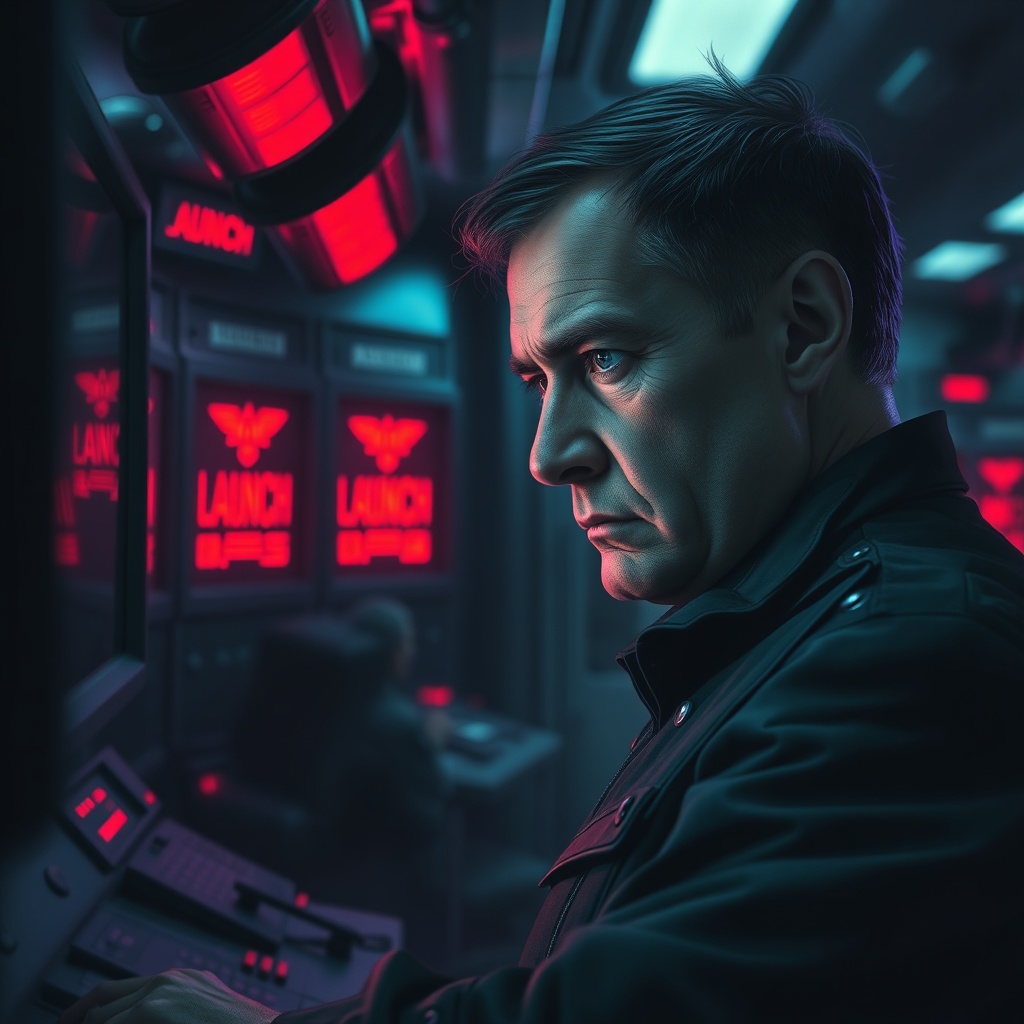
냉전의 최전선, 1983년 9월 26일. 소련의 핵 공격 조기 경보 시스템 부대에 인류의 운명을 바꿀 경보가 울려 퍼집니다. 미국에서 핵 미사일이 발사되었다는 섬뜩한 메시지. 그러나 책임 장교 스타니슬라프 페트로프 중령은 직감적으로 '오작동'이라 판단합니다. 만약 그의 판단이 틀렸다면? 오늘 우리는 존재하지 못했을 것입니다. 한 개인의 직감과 용기가 역사를 어떻게 바꾸었는지, 지금부터 이야기해 드립니다. 🤔📜
역사를 멈춰 세운 1983년의 그날 🕰️
1983년 9월 26일, 소련 방공군 핵 공격 조기 경보 시스템 부대, 일명 세르푸호프-15의 지휘 통제실. 이곳은 미국의 ICBM을 가장 먼저 탐지하는 최전선이었습니다. 책임 장교 스타니슬라프 페트로프 중령은 핵 공격 징후 포착 시 즉시 최고 사령부에 보고해야 하는 막중한 임무를 수행 중이었습니다. 그의 보고는 소련의 즉각적인 보복 핵 공격으로 이어질 수 있었죠. 인류의 운명이 그의 손에 달려있던 밤이었습니다. 💥
오작동인가, 실제 공격인가? 🚨
새벽 0시 15분. 정적이 흐르던 통제실에 섬뜩한 경보음이 울렸습니다. 대형 스크린에는 '발사(LAUNCH)'와 함께 미국에서 ICBM 5발이 소련을 향해 발사되었다는 표시가 나타났습니다. 매뉴얼상 페트로프는 즉시 최고 사령부에 '핵 공격 임박'을 보고해야 했습니다. 그러나 페트로프 중령은 의문을 품었습니다. "미국이 선제 핵 공격을 한다면, 겨우 5발만 쏠까?" 또한, 위성 시스템은 확인했지만 지상 레이더는 아무것도 감지하지 못했습니다. 이 비정상적인 상황이 그의 직감을 일깨웠습니다. 그는 시스템의 오류를 직감했습니다. 🚨
1980년대 냉전 시대의 핵 공격 조기 경보 시스템은 주로 위성과 지상 레이더를 통해 적국의 미사일 발사를 감지했습니다. 위성은 미사일의 열 서명을 통해 발사를 탐지하고, 지상 레이더는 발사된 미사일의 궤적을 추적하여 이를 확인하는 방식이었죠. 이 두 시스템이 상호 보완적으로 작동해야 했습니다.
운명을 가른 23분의 침묵 🤫
상부로 보고할 시간이 23분도 채 남지 않은 절체절명의 순간. 잘못된 판단은 인류 멸망을, 올바른 판단이라도 명령 불복종이라는 엄청난 책임을 의미했습니다. 페트로프는 직감을 믿고 '오작동'으로 판단, 최고 사령부에 '시스템 오작동'을 보고했습니다. 매뉴얼에 위배되는 대담한 결정이었습니다. 이성적 증거는 부족했지만, 그의 경험과 직관은 실제 공격이 아님을 말해주고 있었습니다. 몇 분 뒤, 미사일은 존재하지 않았고, 위성 시스템의 오작동임이 밝혀졌습니다. 태양 빛이 구름에 반사되어 센서에 잘못 인식된 것이었죠. 🤫
1983년은 냉전이 극에 달했던 시기였습니다. 불과 몇 주 전, 소련 전투기가 대한항공 007편을 격추시킨 사건으로 인해 미국과 소련의 관계는 최악이었죠. 이러한 배경 속에서 페트로프의 결정은 더욱 대담하고 위험천만한 것이었습니다. 상부의 '공격' 보고를 기다리는 강압적인 분위기 속에서 '오작동'을 주장하는 것은 엄청난 용기를 필요로 했습니다.
스타니슬라프 페트로프 📜
1939년 출생 - 2017년 사망. 소련 방공군 중령으로, 1983년 핵전쟁 위기 당시 시스템 오작동을 간파하고 핵 공격 보고를 거부함으로써 인류를 구원한 영웅. 그의 이야기는 오랫동안 비밀에 부쳐졌으나, 냉전 종식 후 알려지기 시작하며 '세상을 구한 남자'로 불리게 되었다.
세상에 알려지지 않은 영웅 🎖️
페트로프의 영웅적인 행동은 소련 정부에 의해 인정받지 못했습니다. 그는 '매뉴얼 불이행'과 '시스템 결함' 노출을 이유로 질책받고 한직으로 밀려났죠. 그의 이야기는 소련 붕괴 후인 1990년대 중반에 이르러서야 세상에 알려졌습니다. 비로소 그는 UN 등 국제 사회로부터 '세상을 구한 남자'로 추앙받았습니다. 하지만 그는 스스로를 영웅이라 칭하지 않았습니다. 그저 자신의 임무를 수행했을 뿐이라고 말했죠. 🎖️
| 주요 사건 타임라인 | 내용 |
|---|---|
| 1983년 9월 26일 | 소련 핵 공격 조기 경보 시스템 오작동 발생. 페트로프의 결단. |
| 1990년대 중반 | 소련 붕괴 후 페트로프의 이야기가 세상에 알려지기 시작. |
| 2006년 | 뉴욕 UN 본부에서 '세계 시민상' 수상. |
| 2017년 | 페트로프 사망. 그의 공적은 다시금 재조명됨. |
우크라이나 침공과 겹쳐지는 그림자 🌍
페트로프의 이야기는 현대 지정학적 상황에서 더욱 의미심장합니다. 2022년 러시아의 우크라이나 침공 이후 핵 위협은 여전히 불안 요소로 남아있죠. 그의 결정이 없었다면 인류는 핵겨울 속으로 사라졌을 것입니다. 한 개인의 비판적 사고와 용기가 전 세계 운명을 바꿀 수 있음을 일깨워줍니다. 역사는 때론 이름 없는 개인의 대담한 결정이 물줄기를 완전히 바꾸어 놓기도 함을 보여줍니다. 페트로프의 이야기는 '역사의 조연'들이 얼마나 중요한지 명확히 보여주는 사례입니다. 🌍
FAQ: 스타니슬라프 페트로프에 대한 궁금증 🤔
Q1: 스타니슬라프 페트로프는 왜 영웅으로 인정받지 못했나요?
A1: 당시 소련 정부는 시스템의 결함이 외부에 알려지는 것을 꺼렸기 때문입니다. 그의 행동은 매뉴얼 불이행으로 간주되었고, 오히려 질책을 받았습니다. 그의 영웅적인 면모는 소련 붕괴 후 뒤늦게 재조명되었습니다.
Q2: 핵 공격 경보 시스템은 왜 오작동했나요?
A2: 주요 원인은 햇빛이 높은 고도의 구름에 반사되어 위성 센서에 미사일 발사의 열 서명처럼 잘못 인식되었기 때문입니다. '태양의 각도'와 '위성의 궤도'가 절묘하게 맞아떨어진 일종의 버그였습니다.
Q3: 만약 페트로프가 다른 선택을 했다면 어떻게 되었을까요?
A3: 그가 매뉴얼대로 핵 공격 임박을 보고했다면, 소련은 즉각적인 보복 핵 공격을 감행했을 가능성이 매우 높습니다. 이는 전면적인 핵전쟁으로 이어져 인류 문명이 멸망했을 수도 있는 상황이었습니다.
스타니슬라프 페트로프의 이야기는 시스템의 맹점을 꿰뚫어보는 인간의 통찰력과, 모두가 YES를 외칠 때 NO라고 말할 수 있는 용기의 중요성을 일깨워줍니다. 역사는 거대한 흐름 속에서도, 한 개인의 작은 선택이 예상치 못한 거대한 파급 효과를 가져올 수 있음을 끊임없이 증명하고 있습니다. 우리는 그의 용기 덕분에 오늘을 살아가고 있습니다. 만약 당신이라면, 그 절체절명의 순간에 어떤 선택을 했을까요? 🤔
"역사의 조연들" 다음 이야기에도 많은 기대 부탁드립니다! 여러분이 알고 있는 또 다른 '숨겨진 영웅'이 있다면 댓글로 알려주세요! 😊
Imagine the scene: September 26, 1983, late at night, at the peak of Cold War tension. At the Soviet Air Defense Forces' nuclear attack early warning system bunker, known as Serpukhov-15, a fateful alarm blared. A chilling message appeared: US intercontinental ballistic missiles (ICBMs) were launched towards the Soviet Union. But Lieutenant Colonel Stanislav Petrov, the duty officer, instinctively sensed it was a malfunction. What if he was wrong? We might not exist today. This is the story of how one man's intuition and courage changed history. 🤔📜
The Day History Paused: September 1983 🕰️
On September 26, 1983, in the command and control center of the Soviet Air Defense Forces' nuclear attack early warning system, code-named Serpukhov-15, the usual tension hung in the air. This was the frontline tasked with detecting the first signs of US ICBM launches. Lieutenant Colonel Stanislav Petrov, the officer in charge, had a simple yet profoundly critical mission: to immediately report any indication of a US nuclear attack to the supreme command. Such a report could instantly trigger a retaliatory Soviet nuclear strike. Quite literally, the fate of humanity rested in his hands. 💥
Malfunction or Real Attack? 🚨
At 00:15 AM, a chilling alarm pierced the silence of the control room. A large screen flashed a red 'LAUNCH' message, indicating that a single ICBM had been fired from US soil towards the Soviet Union. Within minutes, second, third, fourth, and fifth missile alerts followed in rapid succession. The system reported a total of five missiles heading towards the Soviet Union. According to protocol, Petrov was supposed to immediately report an 'imminent nuclear attack' to the supreme command. However, amid the chaos and fear, Lieutenant Colonel Petrov harbored a critical doubt: "If the US were to launch a preemptive nuclear strike, would they send only five missiles?" He expected hundreds. Furthermore, while the satellite system 'confirmed' the attack, the ground radar system detected nothing. These two anomalous situations awakened his intuition. He had spotted a flaw in the system. 🚨
During the Cold War of the 1980s, nuclear attack early warning systems primarily detected enemy missile launches via satellites and ground-based radars. Satellites detected launches through their heat signatures, while ground radars tracked the trajectory of launched missiles for confirmation. These two systems were supposed to work complementarily.
The 23 Minutes of Silence That Decided Our Fate 🤫
With less than 23 minutes left to report to his superiors, Petrov faced an agonizing decision. A wrong judgment could have cost billions of lives worldwide, while a correct one meant defying orders and facing immense repercussions. Petrov chose to trust his intuition. Without hesitation, he judged it a 'malfunction' and reported 'system malfunction' to the supreme command. This was a truly daring decision, contrary to protocol. Though rational evidence was scarce, his experience and gut feeling told him this anomalous situation was not a real attack. Minutes later, his judgment proved correct. No missiles existed; it was a satellite system malfunction. Sunlight reflecting off clouds had been mistakenly interpreted by the satellite sensors as missile launch heat signatures. 🤫
1983 was a period of extreme Cold War tension. Just weeks earlier, a Soviet fighter jet had shot down Korean Air Lines Flight 007, making US-Soviet relations their worst. Against this backdrop, Petrov's decision was even more audacious and perilous. Claiming 'malfunction' in an atmosphere pressured to report an 'attack' required immense courage.
Stanislav Petrov 📜
Born 1939 - Died 2017. A Soviet Air Defense Forces lieutenant colonel, he saved humanity during the 1983 nuclear crisis by discerning a system malfunction and refusing to report a nuclear attack. His story remained a secret for a long time but began to surface after the Cold War's end, earning him the title 'The Man Who Saved the World'.
The Unsung Hero 🎖️
Petrov's heroic act was not officially recognized by the Soviet government at the time. Instead, he was reprimanded and reassigned to a less important position for 'failing to follow protocol' and exposing 'system flaws'. His story only began to come to light in the mid-1990s after the collapse of the Soviet Union. It was then that he finally received honors such as 'The Man Who Saved the World' and the 'Citizen's Award' from the UN and international community, belatedly celebrated as a hero of humanity. However, he never called himself a hero, stating he was simply doing his job. 🎖️
| Key Event Timeline | Description |
|---|---|
| September 26, 1983 | Soviet nuclear early warning system malfunction. Petrov's decisive action. |
| Mid-1990s | Petrov's story began to emerge after the collapse of the Soviet Union. |
| 2006 | Received the 'World Citizen Award' at the UN Headquarters in New York. |
| 2017 | Petrov passed away. His contributions were once again highlighted. |
The Shadow of the Ukraine Invasion 🌍
Petrov's story resonates even more profoundly due to the geopolitical situation in the modern world. Following Russia's invasion of Ukraine in 2022, the threat of nuclear war is no longer a relic of the Cold War but a present and ongoing source of anxiety. Had it not been for Petrov's decision, humanity would have vanished into a nuclear winter, and the complex international order we know today would not exist. His story is vivid proof of how vulnerable humanity is, yet simultaneously how it has overcome crises with strong resolve. It reminds us that one individual's critical thinking and courage can change the fate of the entire world. History often shows us that unnamed individuals, through their intuitive and daring decisions, can completely alter the course of events. Petrov's story is a clear example of how crucial these 'supporting actors of history' truly are. 🌍
FAQ: Questions About Stanislav Petrov 🤔
Q1: Why wasn't Stanislav Petrov recognized as a hero?
A1: The Soviet government at the time was reluctant to reveal system flaws to the outside world. His actions were considered a failure to follow protocol and he was reprimanded. His heroism was only belatedly recognized after the collapse of the Soviet Union.
Q2: Why did the nuclear alert system malfunction?
A2: The primary reason was that sunlight reflecting off high-altitude clouds was misinterpreted by satellite sensors as heat signatures from missile launches. It was a kind of bug where the 'angle of the sun' and the 'satellite's orbit' coincidentally aligned.
Q3: What if Petrov had made a different choice?
A3: Had he reported an imminent nuclear attack as per protocol, it is highly likely that the Soviet Union would have immediately launched a retaliatory nuclear strike. This could have led to an all-out nuclear war, potentially resulting in the collapse of human civilization.
Stanislav Petrov's story is not merely an event from the past. It serves as a powerful reminder of human insight to see through systemic blind spots and the importance of courage to say NO when everyone else says YES. History consistently demonstrates that even within grand narratives, a single individual's small choice can lead to unforeseen, massive repercussions. We live today thanks to his courage. If you were in that critical moment, what choice would you have made? 🤔
We look forward to the next story in "Supporting Actors of History"! If you know of another 'hidden hero,' please share in the comments! 😊
댓글
댓글 쓰기