[History] 14. 인류를 구한 흑인 여성의 불멸 세포: 주인도 모르게 영원한 삶을 얻게 된 헨리에타 랙스 (The Immortal Cells of a Black Woman Who Saved Humanity: Henrietta Lacks, Whose Cells Gained Eternal Life Without Her Knowledge)
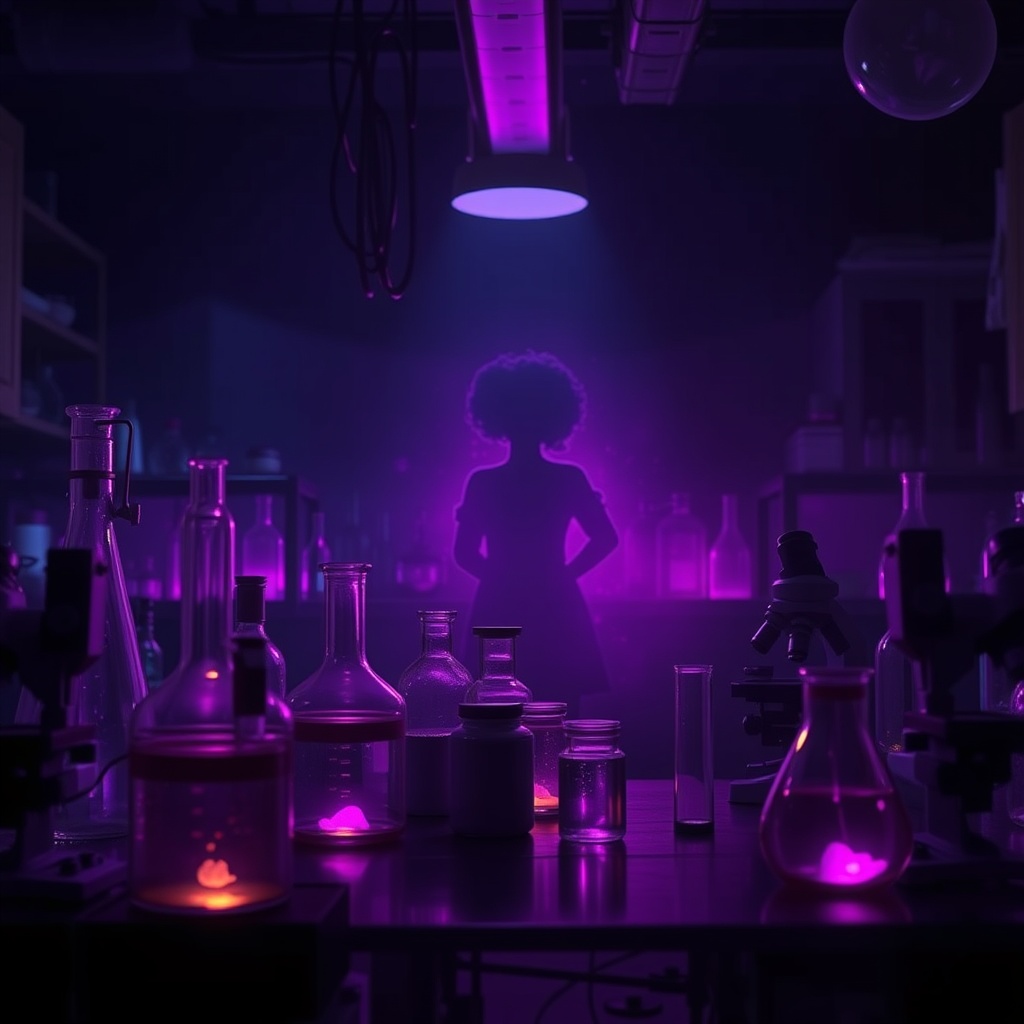
만약 당신의 몸에서 채취된 세포가 당신의 동의 없이 수십 년간 배양되어 전 세계 의학 발전에 기여했다면 어떨까요? 그리고 그 사실을 당신은 물론, 당신의 가족조차 전혀 몰랐다면요? 🤔 오늘 우리는 인류를 구원했지만 동시에 깊은 윤리적 질문을 던지는, 한 흑인 여성과 그녀의 '불멸 세포'에 대한 놀라운 이야기를 uncover 해볼까 합니다. 역사의 뒤편에 가려졌던, 헨리에타 랙스와 그녀의 세포, '헬라(HeLa) 세포'의 서사입니다. 📜
헨리에타 랙스 (Henrietta Lacks) 📜
생몰년: 1920년 8월 1일 ~ 1951년 10월 4일
국적: 미국 (흑인 여성)
주요 기여: 그녀의 몸에서 채취된 '헬라 세포'는 최초의 불멸 세포주로, 소아마비 백신 개발, 암 연구, 유전자 지도 작성, 에이즈 및 코로나19 연구 등 수많은 의학 발전에 핵심적인 역할을 했습니다.
비극의 서막: 동의 없는 채취 💔
1951년 1월, 미국 메릴랜드주 락스빌에 살던 31세의 흑인 여성 헨리에타 랙스는 심한 질 출혈로 존스 홉킨스 병원을 찾았습니다. 당시 흑인 환자들이 갈 수 있는 몇 안 되는 병원 중 하나였죠. 진찰 결과는 충격적이었습니다. 그녀는 자궁경부암 말기 진단을 받았습니다. 그녀의 고통은 깊었지만, 의사들은 그녀의 병세보다 그녀의 몸 안에 있는 '무언가'에 더 주목했습니다.
당시 병원의 연구원들은 환자들의 암세포를 채취해 배양하는 실험을 진행 중이었습니다. 수많은 시도가 있었지만, 세포는 며칠을 버티지 못하고 죽어버리곤 했습니다. 헨리에타가 치료를 받던 중, 그녀의 자궁경부에서 조직 샘플이 채취되었습니다. 이때 그녀나 그녀의 가족에게 어떠한 동의도 구하지 않았습니다. 이것은 당시 의료 관행상 드문 일이 아니었지만, 오늘날의 기준으로는 상상하기 어려운 일이었습니다. 이 작은 샘플이 인류의 역사를 뒤바꿀 줄은 그 누구도 상상하지 못했습니다.
불멸의 탄생: '헬라 세포'의 기적 🌟
헨리에타의 샘플은 존스 홉킨스 병원의 세포 생물학자 조지 게이 박사에게 전달되었습니다. 게이 박사는 수년 동안 인체 세포를 실험실에서 무한히 배양하는 방법을 찾기 위해 고군분투하고 있었습니다. 세포 연구의 한계를 극복하고 싶었죠. 놀랍게도 헨리에타의 세포는 달랐습니다. 일반적인 세포와 달리 죽지 않고 놀라운 속도로 계속해서 증식하기 시작했습니다. 마치 멈추지 않는 생명력처럼요. 게이 박사는 이 기적적인 세포에 그녀의 이름(Henrietta Lacks)에서 따온 약자, '헬라(HeLa) 세포'라는 이름을 붙였습니다.
헬라 세포는 순식간에 전 세계 연구실로 퍼져나갔습니다. 이 불멸의 세포는 과학자들이 인체 세포를 대상으로 한 연구를 전례 없이 확장할 수 있도록 만들었습니다. 소아마비 백신 개발을 위한 대량 생산 테스트부터, 암의 메커니즘을 밝히고, 유전자 지도를 그리며, 심지어 우주 비행이 세포에 미치는 영향을 연구하는 데까지, 헬라 세포는 말 그대로 의학 연구의 게임 체인저가 되었습니다. 인류는 이 세포 덕분에 수많은 질병의 비밀을 풀 수 있게 되었죠.
'불멸 세포주'는 실험실에서 무기한으로 증식할 수 있는 세포 집합을 말합니다. 암세포가 종종 이러한 특성을 보이며, 이는 암이 통제되지 않는 성장을 하는 이유 중 하나입니다. 헬라 세포는 이러한 특성을 최초로 발견하고 활용한 사례였습니다.
영광 뒤의 그림자: 숨겨진 인종차별과 윤리 문제 🌗
하지만 이 영광스러운 과학적 진보 뒤에는 어두운 그림자가 드리워져 있었습니다. 헨리에타 랙스는 헬라 세포가 전 세계 연구실에서 수십억 개씩 배양되고 수많은 특허와 상업적 이익을 창출하는 동안, 정작 자신과 가족의 동의 없이 이러한 일이 벌어지고 있다는 사실을 전혀 알지 못했습니다. 그녀는 1951년 세포 채취 몇 달 후 암으로 사망했고, 그녀의 가족들은 가난과 질병에 시달리며 살아가고 있었습니다.
헬라 세포의 존재가 언론을 통해 널리 알려지고 심지어 헨리에타의 이름까지 공개되었을 때도, 그녀의 가족들은 이 사실을 알지 못했습니다. 1970년대 중반이 되어서야 가족들은 헨리에타의 혈액 샘플이 연구 목적으로 요청되면서 비로소 이 충격적인 사실을 접하게 됩니다. 자신들의 어머니가 죽어서도 '살아 있는' 세포가 되어 전 세계에 퍼져있다는 사실에 가족들은 큰 혼란과 고통을 느꼈습니다. 이는 당시 흑인 환자들에게 자주 발생했던 동의 없는 의료 행위와 인종차별적 관행의 전형적인 예시였습니다.
일각에서는 당시의 의료 윤리 기준이 현재와 달랐음을 지적합니다. 그러나 헨리에타 랙스 사건은 단순한 시대적 차이를 넘어, 소수자에 대한 인권 침해와 정보 불균형의 문제를 명확히 드러냈습니다. 이는 현대 의학 연구의 윤리적 기준을 정립하는 데 결정적인 계기가 되었습니다.
끝나지 않은 이야기: 생명윤리의 거울 ⚖️
헨리에타 랙스의 이야기는 단순한 의학사의 비극이 아닙니다. 이는 환자의 동의, 사생활 보호, 생체 물질의 소유권, 그리고 과학 연구의 상업화 등 복잡한 생명윤리 문제를 전 세계에 각인시킨 중요한 사건입니다. 이 사건을 계기로 '인간 피험자 보호 규정'이 강화되고 '자발적 동의(informed consent)'의 중요성이 강조되기 시작했습니다. 이제 환자들은 자신의 의료 정보와 생체 샘플이 어떻게 사용될지에 대해 명확하게 알 권리를 가지게 된 것입니다.
헨리에타의 가족들은 오랜 세월이 지난 후에서야 비로소 존스 홉킨스 병원과 국가보건원(NIH)으로부터 공식적인 인정과 협력 제안을 받았습니다. 헬라 세포 연구의 윤리적 감독에 가족 구성원이 참여하는 등, 그녀의 유산이 인류에게 긍정적으로 기여하되, 그 과정에서 다시는 인권 침해가 발생하지 않도록 노력하고 있습니다. 헬라 세포는 오늘도 활발히 연구에 사용되고 있으며, 헨리에타 랙스의 이름은 의학 발전의 공헌자이자 동시에 생명윤리 논의의 상징으로 영원히 기억될 것입니다.
역사의 조연, 헨리에타 랙스가 남긴 교훈 🌍
헨리에타 랙스는 역사 교과서에 등장하는 위인이 아니었습니다. 그녀는 그저 평범한 삶을 살다 간 한 여인이었습니다. 하지만 그녀의 몸에서 채취된 단 몇 개의 세포가 수많은 생명을 구하고 의학 지평을 넓히는 데 결정적인 역할을 했습니다. 동시에 그녀의 이야기는 과학적 진보가 개인의 인권과 존엄성을 침해할 때 어떤 비극이 벌어질 수 있는지를 생생하게 보여주었습니다. 헬라 세포는 인류에게 무한한 가능성과 함께 무거운 윤리적 책임이라는 교훈을 남겼습니다.
이처럼 사소한 발견 하나가 역사의 물줄기를 통째로 바꾸기도 합니다. 그리고 그 변화의 뒤편에는 우리가 미처 알지 못했던 수많은 '조연'들의 이야기가 숨어 있습니다. 우리는 헨리에타 랙스의 삶과 죽음, 그리고 그녀의 세포가 남긴 유산을 통해, 과학 기술 발전의 혜택이 누구에게나 공정하게 돌아가고, 모든 개인의 존엄성이 존중되어야 함을 다시금 깨닫습니다. 😊
자주 묻는 질문 (FAQ) ❓
네, 헬라 세포는 현재까지도 전 세계 연구실에서 가장 널리 사용되는 세포주 중 하나입니다. 암, 바이러스, 유전자 연구 등 광범위한 분야에서 필수적인 도구로 활용되고 있습니다.
직접적인 금전적 보상은 없었으나, 헨리에타 랙스 재단 설립, 가족들의 의료 지원, 그리고 NIH와의 협력을 통한 헬라 세포 연구 데이터 접근 통제 권한 부여 등 다양한 형태로 인정과 지원이 이루어지고 있습니다. 2023년에는 그녀의 가족이 유족과 상의 없이 헬라 세포를 상업적으로 이용한 바이오텍 기업에 대해 소송을 제기하여 합의가 이루어졌습니다.
레베카 스클루트(Rebecca Skloot)의 베스트셀러 '헨리에타 랙스의 불멸의 삶(The Immortal Life of Henrietta Lacks)'을 읽어보시면 더욱 자세한 이야기를 알 수 있습니다. HBO에서 제작한 동명의 영화도 있습니다.
The Immortal Cells of a Black Woman Who Saved Humanity: Henrietta Lacks, Whose Cells Gained Eternal Life Without Her Knowledge
What if cells taken from your body were cultured for decades without your consent, contributing to global medical advancements? And what if neither you nor your family ever knew about it? 🤔 Today, we're going to uncover an astonishing story about a Black woman and her 'immortal cells' that saved humanity but also raised profound ethical questions. This is the narrative of Henrietta Lacks and her cells, known as 'HeLa cells,' a story hidden in the annals of history. 📜
Henrietta Lacks 📜
Born-Died: August 1, 1920 ~ October 4, 1951
Nationality: American (African American woman)
Major Contribution: 'HeLa cells,' harvested from her body, became the first immortal cell line, playing a pivotal role in countless medical advancements, including polio vaccine development, cancer research, gene mapping, AIDS, and COVID-19 research.
The Overture of Tragedy: Non-Consensual Collection 💔
In January 1951, Henrietta Lacks, a 31-year-old Black woman living in Lacks Town, Maryland, sought care at Johns Hopkins Hospital for severe vaginal bleeding. It was one of the few hospitals at the time that treated Black patients. The diagnosis was shocking: she had terminal cervical cancer. While her suffering was immense, doctors were more interested in 'something' inside her body than her illness.
At the time, researchers at the hospital were experimenting with culturing cancer cells from patients. Numerous attempts had been made, but the cells would typically die within a few days. While Henrietta was undergoing treatment, tissue samples were taken from her cervix. No consent was sought from her or her family. This was not uncommon in medical practice at the time, but it is unimaginable by today's standards. No one could have imagined that this small sample would change the course of human history.
The Birth of Immortality: The Miracle of 'HeLa Cells' 🌟
Henrietta's samples were delivered to Dr. George Gey, a cell biologist at Johns Hopkins Hospital. Dr. Gey had been struggling for years to find a way to infinitely culture human cells in the lab. He wanted to overcome the limitations of cell research. Surprisingly, Henrietta's cells were different. Unlike typical cells, they didn't die but began to multiply at an astonishing rate, like an unstoppable life force. Dr. Gey named these miraculous cells 'HeLa cells,' after an abbreviation of her name (Henrietta Lacks).
HeLa cells quickly spread to laboratories worldwide. These immortal cells allowed scientists to expand human cell-based research unprecedentedly. From mass production testing for polio vaccine development, unraveling the mechanisms of cancer, mapping genes, to even studying the effects of space travel on cells, HeLa cells literally became a game-changer in medical research. Thanks to these cells, humanity has been able to unlock the secrets of countless diseases.
An 'immortal cell line' refers to a population of cells that can proliferate indefinitely in a laboratory. Cancer cells often exhibit this characteristic, which is one reason cancer grows uncontrollably. HeLa cells were the first discovered and utilized instance of such a characteristic.
Shadow Behind the Glory: Hidden Racism and Ethical Issues 🌗
However, behind this glorious scientific progress lay a dark shadow. While HeLa cells were being cultured by the billions in laboratories worldwide, generating countless patents and commercial profits, Henrietta Lacks herself had absolutely no idea that this was happening without her or her family's consent. She died of cancer a few months after her cells were taken in 1951, and her family continued to live in poverty and illness.
Even when the existence of HeLa cells became widely known through the media, and even Henrietta's name was publicly disclosed, her family remained unaware. It wasn't until the mid-1970s that the family stumbled upon this shocking truth when Henrietta's blood samples were requested for research purposes. The family experienced great confusion and distress upon learning that their mother, even in death, had 'living' cells spreading throughout the world. This was a classic example of non-consensual medical practices and racially discriminatory practices that frequently occurred with Black patients at the time.
Some argue that medical ethical standards were different then compared to now. However, the Henrietta Lacks case clearly revealed issues of human rights violations against minorities and information asymmetry, beyond mere historical differences. It became a decisive turning point in establishing ethical standards for modern medical research.
An Unfinished Story: The Mirror of Bioethics ⚖️
Henrietta Lacks's story is not merely a tragedy in medical history. It is a pivotal event that imprinted complex bioethical issues such as patient consent, privacy protection, ownership of biological materials, and the commercialization of scientific research onto the global consciousness. This case led to the strengthening of 'human subject protection regulations' and emphasized the importance of 'informed consent.' Patients now have the clear right to know how their medical information and biological samples will be used.
Henrietta's family, after many years, finally received official recognition and cooperation offers from Johns Hopkins Hospital and the National Institutes of Health (NIH). Efforts are being made to ensure that her legacy positively contributes to humanity without infringing upon human rights again, including the participation of family members in the ethical oversight of HeLa cell research. HeLa cells continue to be actively used in research today, and Henrietta Lacks's name will forever be remembered as a contributor to medical advancement and a symbol of bioethical discourse.
The Lesson Left by Henrietta Lacks, a Supporting Character in History 🌍
Henrietta Lacks was not a great figure in history textbooks. She was merely a woman who lived an ordinary life. However, just a few cells taken from her body played a crucial role in saving countless lives and expanding medical horizons. At the same time, her story vividly demonstrated the tragedy that can unfold when scientific progress infringes upon individual rights and dignity. HeLa cells left humanity with infinite possibilities along with heavy ethical responsibilities.
Just like this, a seemingly minor discovery can completely change the course of history. And behind that change lie countless stories of 'supporting characters' we might not have known. Through Henrietta Lacks's life and death, and the legacy of her cells, we are reminded that the benefits of scientific and technological advancement must be fairly distributed to everyone, and the dignity of every individual must be respected. 😊
Frequently Asked Questions (FAQ) ❓
Yes, HeLa cells remain one of the most widely used cell lines in laboratories worldwide. They are an essential tool in a wide range of fields, including cancer, virus, and gene research.
While there was no direct monetary compensation, various forms of recognition and support have been provided, such as the establishment of the Henrietta Lacks Foundation, healthcare support for the family, and granting them control over access to HeLa cell research data through cooperation with NIH. In 2023, her family filed a lawsuit against a biotech company for commercial use of HeLa cells without consultation with the family and a settlement was reached.
You can find a more detailed account by reading Rebecca Skloot's best-selling book, 'The Immortal Life of Henrietta Lacks.' There is also a film of the same name produced by HBO.
댓글
댓글 쓰기