[Insight] 16. 산업별 AI 혁명: 제조업부터 금융까지, IT 팀장이 알려주는 미래 변화와 준비 전략 (AI Revolution by Industry: From Manufacturing to Finance, An IT Team Lead's Guide to Future Changes and Preparation Strategies)
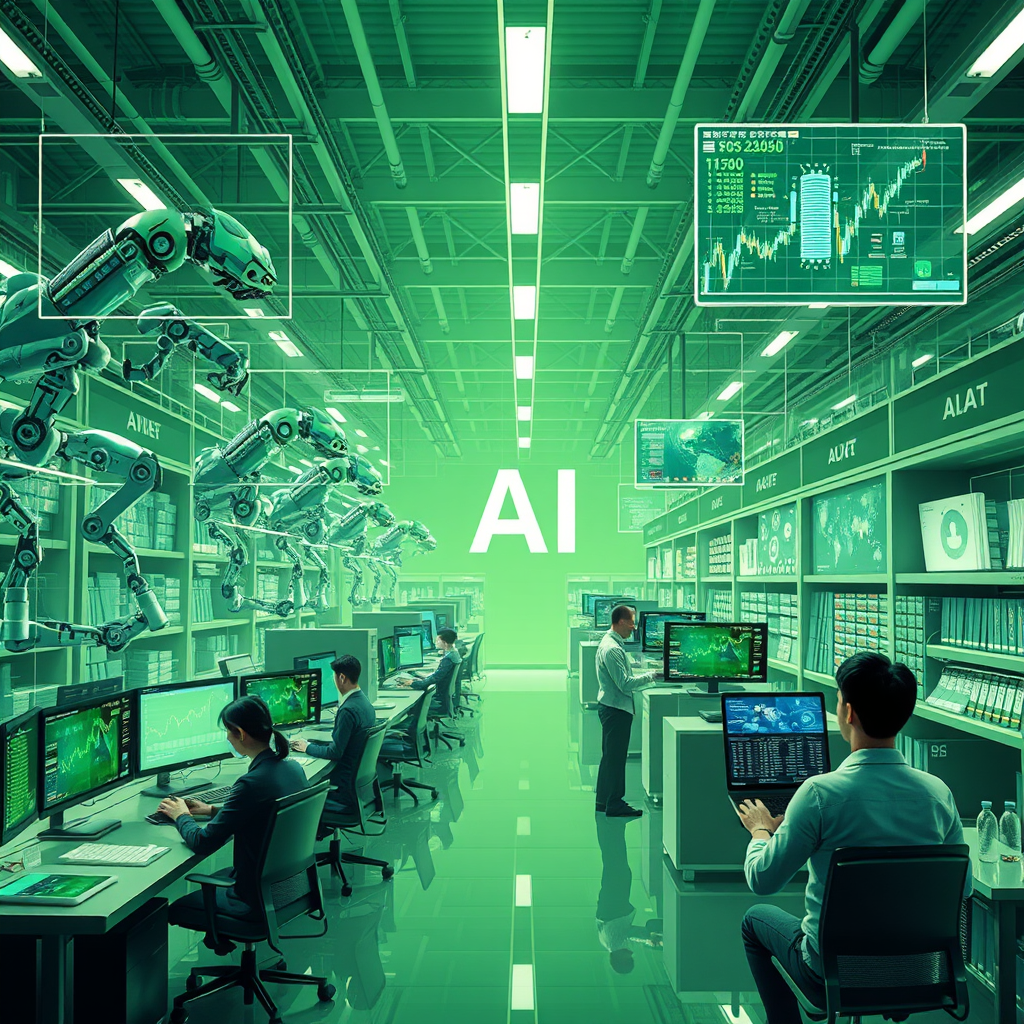
매일 쏟아지는 AI 뉴스, 대체 내 일과는 무슨 상관일까 싶으셨죠? 📰 저도 IT 기획 팀장으로서 비슷한 고민을 했었어요. 특히 우리 산업은 AI가 어떻게 바꾸고 있는지 궁금해하시는 분들이 정말 많을 거예요. 오늘은 제 전문 분야인 제조업을 포함해서 금융, 유통, 교육까지, AI가 각 산업에 어떤 파장을 일으키고 있고 우리는 무엇을 준비해야 할지 제 경험과 함께 이야기해볼까 합니다. 솔직히 말씀드리면, AI는 이미 우리 삶 깊숙이, 그리고 비즈니스 전반에 걸쳐 혁신을 일으키고 있답니다. 💡 단순한 유행을 넘어선 산업의 근본적인 변화를 함께 살펴보시죠.
제조업: 스마트 팩토리의 현실과 미래 🏭
제가 현장에서 가장 많이 접하는 분야가 바로 제조업인데요. 예전에는 '스마트 팩토리'라고 하면 막연한 미래의 이야기처럼 들렸지만, 이제는 생존을 위한 필수 전략이 되고 있습니다. AI는 생산 효율성을 극대화하고 품질을 혁신적으로 개선하는 핵심 동력으로 자리 잡았어요.
- 예측 유지보수: 장비 고장 전에 AI가 미리 감지해서 알려줘요. 예전에는 갑자기 멈춰버린 생산 라인 때문에 발을 동동 굴렀는데, 이제는 계획적인 유지보수가 가능해져서 가동 중단 시간을 획기적으로 줄여줍니다.
- 품질 검사 및 불량률 감소: AI 기반 비전 시스템이 제품의 미세한 결함까지 잡아내면서 육안 검사의 한계를 넘어서고 있어요. 제가 아는 한 공장에서는 AI 도입 후 불량률이 30% 이상 줄어들었죠.
- 생산 계획 최적화: 복잡한 생산 데이터를 분석해서 AI가 최적의 생산 스케줄을 짜줍니다. 자재 수급부터 공정 흐름까지, 모든 변수를 고려해서 가장 효율적인 방안을 제시하는 거죠.
사례: S사 자동차 부품 공장의 AI 도입 📝
S사는 AI 기반의 예측 유지보수 시스템을 도입하여 설비 고장으로 인한 생산 중단을 연간 20% 이상 감소시켰습니다. 또한, AI 비전 검사를 통해 육안으로 식별하기 어려웠던 미세한 결함까지 찾아내어 제품 불량률을 획기적으로 낮췄죠. 초기 투자 비용은 있었지만, 장기적인 생산성과 품질 향상으로 그 이상의 가치를 창출하고 있습니다.
금융 산업: 효율성과 혁신의 엔진 💰
금융 산업은 보수적이라는 이미지가 강하지만, 사실 AI 기술을 가장 빠르게 도입하고 있는 분야 중 하나입니다. 막대한 데이터를 다루는 특성상 AI의 힘을 제대로 발휘할 수 있는 환경이 조성되어 있죠.
- 사기 탐지 및 위험 관리: AI는 수많은 거래 패턴을 분석해서 이상 거래를 실시간으로 탐지합니다. 보이스피싱이나 불법 대출 같은 금융 사기를 막는 데 엄청난 역할을 하고 있죠.
- 맞춤형 금융 상품 추천: 고객의 소비 패턴, 자산 현황 등을 분석해서 개인에게 최적화된 대출, 투자 상품을 추천합니다. '나만을 위한' 서비스가 가능해진 거죠.
- 로보 어드바이저: 인공지능이 자산 관리와 투자 전략을 세워주는 서비스예요. 비용 부담이 적고 24시간 이용 가능하다는 장점 덕분에 젊은 층을 중심으로 인기가 많습니다.
유통 산업: 고객 경험을 넘어선 초개인화 시대 🛍️
온라인 쇼핑이 대세가 된 지금, 유통 산업은 AI를 통해 고객 경험을 혁신하고 있습니다. 단순히 물건을 파는 것을 넘어, 고객의 마음을 읽고 선제적으로 제안하는 수준으로 발전하고 있죠.
- 개인화된 상품 추천: '이 상품을 본 고객들이 함께 구매한 상품' 같은 추천 서비스는 AI의 기본 중 기본이에요. 이제는 고객의 검색 기록, 구매 이력, 심지어 SNS 활동까지 분석해서 취향에 맞는 상품을 콕 짚어줍니다.
- 재고 관리 및 물류 최적화: AI는 수요를 정확하게 예측해서 적정 재고를 유지하고, 배송 경로를 최적화하여 물류 비용을 절감합니다. 낭비가 줄어드니 수익성도 자연스럽게 올라가겠죠.
- AI 기반 챗봇 및 고객 서비스: 간단한 문의는 챗봇이 24시간 응대하고, 복잡한 문제는 AI가 상담원에게 효율적인 답변을 제안합니다. 고객은 더 빠르게 해결책을 얻고, 기업은 운영 효율성을 높일 수 있어요.
교육 산업: 맞춤형 학습의 새 지평 🧑🏫
교육 분야에서도 AI의 영향력은 상당합니다. 개인의 학습 속도와 스타일에 맞춰 최적화된 학습 경험을 제공하는 것이 AI 교육의 핵심이죠. 더 이상 '모두에게 똑같은' 교육은 없어져 가는 추세입니다.
- 개인 맞춤형 학습 경로: 학생의 학습 데이터를 분석해서 강점과 약점을 파악하고, 이에 맞는 교재, 문제, 학습 전략을 AI가 제시합니다. 마치 개인 과외 선생님이 옆에 있는 것 같은 효과를 내죠.
- 자동 채점 및 피드백: 논술형 문제까지 AI가 채점하고, 학생들에게 즉각적인 피드백을 줄 수 있게 되었습니다. 교사들은 채점 부담을 덜고 학생 개개인에게 더 집중할 수 있게 됩니다.
- AI 튜터 및 학습 보조: 학습량이 방대하거나 질문이 많을 때, AI 튜터가 24시간 언제든 궁금증을 해결해줍니다. 영어 회화 튜터나 코딩 보조 등 다양한 형태로 진화하고 있습니다.
산업별 AI 도입, 우리가 준비해야 할 것들! 🚀
각 산업에서 AI가 어떤 혁신을 가져오는지 살펴봤는데요. 중요한 건 '그래서 우리는 무엇을 해야 하는가'겠죠? IT 기획 팀장으로서 제가 중요하다고 생각하는 몇 가지를 짚어드릴게요.
- 데이터 전략 강화: AI는 결국 데이터를 먹고 자랍니다. 우리 회사에 어떤 데이터가 있고, 어떻게 수집/관리하며, 어떻게 AI가 활용할 수 있도록 정제할 것인지에 대한 명확한 데이터 전략이 필수적입니다. 데이터가 곧 기업의 자산이 되는 시대예요.
- 인력 재교육 및 스킬 업그레이드: AI가 인간의 일자리를 뺏는다는 우려도 있지만, 저는 협력하며 더 고부가가치 업무를 창출한다고 봅니다. AI를 이해하고 활용할 수 있는 역량을 키우는 것이 중요해요. 코딩 능력이 아니어도 괜찮아요. AI 도구를 능숙하게 사용하는 능력, AI가 제시한 결과를 비판적으로 분석하는 능력 등이죠.
- 윤리적 고려 및 거버넌스 구축: AI의 편향성, 데이터 프라이버시 침해, 책임 소재 등은 매우 중요한 문제입니다. 기술 도입 전부터 윤리적 가이드라인을 세우고, 발생할 수 있는 문제에 대한 대비책을 마련해야 합니다.
- 협업과 오픈 이노베이션: 모든 것을 우리 힘으로 할 필요는 없어요. 외부 AI 전문 기업과의 협력, 스타트업 투자, 대학과의 공동 연구 등 오픈 이노베이션을 통해 빠르게 AI 역량을 강화할 수 있습니다.
단순 반복 업무는 AI에게 맡기고, 인간은 창의적 문제 해결, 비판적 사고, 공감 능력 등 AI가 대체하기 어려운 역량에 집중해야 합니다. 지속적인 학습과 유연한 사고가 그 어느 때보다 중요해졌어요.
AI는 강력한 도구이지만, 모든 문제의 만능 해결사가 아닙니다. AI가 해결할 수 있는 문제의 범위와 한계를 명확히 이해하고, 현실적인 기대치를 설정하는 것이 중요합니다. 무조건적인 AI 도입보다는 우리 비즈니스에 맞는 AI 활용 전략을 수립해야 해요.
| 산업 | 핵심 AI 활용 분야 | 기업 준비 사항 |
|---|---|---|
| 제조업 | 스마트 팩토리, 예측 유지보수, 품질 관리 | 데이터 인프라 구축, OT-IT 융합 전문가 양성 |
| 금융 | 사기 탐지, 맞춤형 상품, 로보 어드바이저 | 보안 및 규제 준수, AI 윤리 원칙 수립 |
| 유통 | 개인화 추천, 재고 관리, 챗봇 CS | 옴니채널 데이터 통합, 고객 경험 중심 전략 |
| 교육 | 맞춤형 학습, 자동 채점, AI 튜터 | 교육 콘텐츠 디지털화, 교사-AI 협력 모델 개발 |
글의 핵심 요약 📝
오늘 다룬 산업별 AI 혁신, 핵심만 콕 짚어볼까요? AI는 이제 선택이 아닌 필수가 되어가고 있습니다. 각 산업은 특성에 맞게 AI를 도입하며 전에 없던 변화를 만들어내고 있어요.
- 제조업: AI를 통해 생산 효율성 극대화와 품질 혁신을 이룹니다. 예측 유지보수, 불량률 감소, 생산 최적화가 핵심입니다.
- 금융 산업: 사기 탐지, 개인 맞춤형 상품 추천, 로보 어드바이저 등으로 효율성과 고객 만족도를 높이고 있습니다.
- 유통 산업: 초개인화된 고객 경험, 재고 및 물류 최적화, AI 챗봇을 통해 경쟁력을 강화합니다.
- 교육 산업: 개인 맞춤형 학습, 자동 채점, AI 튜터 도입으로 교육의 질을 향상하고 접근성을 높입니다.
- 공통된 준비: 성공적인 AI 도입을 위해서는 데이터 전략 수립, 인력 재교육, 윤리적 고려, 그리고 오픈 이노베이션이 필수적입니다.
✨ AI, 당신의 산업을 변화시킬 핵심 엔진 ✨
제조업: 생산성 📈, 품질 💯
금융: 효율성 💰, 보안 🔒
유통: 초개인화 🎯, 재고 최적화 📦
교육: 맞춤 학습 🧑🎓, 효율적인 관리 📊
지금, AI 역량 강화와 데이터 전략으로 미래를 준비하세요!
자주 묻는 질문 ❓
오늘의 AI 뉴스, 어떻게 보셨나요? 여러분의 산업은 AI와 어떻게 변화하고 있는지, 혹은 어떤 궁금증이 있으신지 궁금하네요! 댓글로 자유롭게 이야기를 나눠주세요! 😊 이 정보가 여러분의 미래 준비에 작은 도움이 되었기를 바랍니다.
English Content Below
Do you ever feel overwhelmed by the daily flood of AI news, wondering what it has to do with your job? 📰 As an IT Planning Team Lead, I've had similar concerns. Many of you might be curious about how AI is specifically changing your industry. Today, I want to talk about the ripple effects AI is having across various sectors, from manufacturing (my area of expertise) to finance, retail, and education, and what we need to prepare for, drawing from my own experiences. To be frank, AI is already deeply integrated into our lives and is driving innovation across all businesses. 💡 Let's explore this fundamental shift in industries together.
Manufacturing: The Reality and Future of Smart Factories 🏭
The manufacturing sector is where I've spent most of my time. In the past, 'Smart Factory' felt like a distant future concept, but now it's becoming an essential strategy for survival. AI has become a key driver for maximizing production efficiency and revolutionizing quality.
- Predictive Maintenance: AI detects equipment failures before they happen. In the past, we'd scramble due to sudden production line shutdowns, but now planned maintenance is possible, significantly reducing downtime.
- Quality Inspection and Defect Reduction: AI-powered vision systems are surpassing the limitations of manual inspection, catching even minute defects. In one factory I know, defect rates dropped by over 30% after AI implementation.
- Production Planning Optimization: AI analyzes complex production data to create optimal production schedules. It considers all variables, from material procurement to process flow, to propose the most efficient solutions.
Case Study: AI Adoption at S Company's Auto Parts Factory 📝
S Company implemented an AI-based predictive maintenance system, reducing production stoppages due to equipment failure by over 20% annually. Furthermore, AI vision inspection detected minute defects that were difficult to identify manually, dramatically lowering product defect rates. While there was an initial investment, it generated even greater value through long-term productivity and quality improvements.
Finance Industry: The Engine of Efficiency and Innovation 💰
The finance industry might have a conservative image, but it's actually one of the fastest adopters of AI technology. Given its nature of handling vast amounts of data, it provides an ideal environment for AI to truly shine.
- Fraud Detection and Risk Management: AI analyzes countless transaction patterns to detect abnormal transactions in real-time. It plays a huge role in preventing financial fraud like voice phishing or illegal lending.
- Personalized Financial Product Recommendations: By analyzing customer spending habits and asset status, AI recommends optimal loans and investment products tailored to individuals. 'Services just for me' have become a reality.
- Robo-Advisors: These services use AI to manage assets and formulate investment strategies. Thanks to their lower costs and 24/7 availability, they are popular, especially among younger generations.
Retail Industry: The Era of Hyper-Personalization Beyond Customer Experience 🛍️
With online shopping now dominant, the retail industry is revolutionizing customer experience through AI. It's evolving beyond merely selling products to understanding customer preferences and proactively making suggestions.
- Personalized Product Recommendations: Recommendation services like 'Customers who viewed this item also bought' are AI basics. Now, AI analyzes customer search history, purchase history, and even social media activity to pinpoint products that match their tastes.
- Inventory Management and Logistics Optimization: AI accurately predicts demand to maintain optimal inventory levels and optimizes delivery routes to reduce logistics costs. Reduced waste naturally leads to increased profitability.
- AI-powered Chatbots and Customer Service: Simple inquiries are handled 24/7 by chatbots, and for complex issues, AI suggests efficient answers to human agents. Customers get faster solutions, and companies improve operational efficiency.
Education Industry: A New Horizon for Personalized Learning 🧑🏫
AI's influence is significant in the education sector as well. Providing optimized learning experiences tailored to an individual's pace and style is at the core of AI in education. The trend of 'one-size-fits-all' education is gradually fading.
- Personalized Learning Paths: AI analyzes student learning data to identify strengths and weaknesses, then suggests appropriate materials, problems, and learning strategies. It's like having a personal tutor by your side.
- Automated Grading and Feedback: AI can now grade even essay questions and provide instant feedback to students. Teachers are freed from grading burdens and can focus more on individual students.
- AI Tutors and Learning Assistants: When there's a large volume of material or many questions, AI tutors can resolve queries 24/7. They are evolving into various forms, such as English conversation tutors or coding assistants.
AI Adoption by Industry: What We Need to Prepare! 🚀
We've looked at the innovations AI is bringing to various industries. The crucial question, though, is 'So what should we do?' As an IT Planning Team Lead, I'd like to highlight a few points I consider important.
- Strengthen Data Strategy: AI ultimately thrives on data. A clear data strategy is essential for what data your company has, how it's collected/managed, and how it will be refined for AI use. Data is becoming a core asset for businesses.
- Workforce Reskilling and Skill Upgrades: While there are concerns about AI taking jobs, I believe it allows us to collaborate and create higher-value work. It's important to develop the capacity to understand and utilize AI. You don't need to be a coder. This includes the ability to skillfully use AI tools and critically analyze AI-generated results.
- Ethical Considerations and Governance Establishment: AI bias, data privacy breaches, and accountability are very important issues. Before implementing technology, ethical guidelines must be established, and countermeasures for potential problems must be prepared.
- Collaboration and Open Innovation: You don't have to do everything on your own. Rapidly strengthen AI capabilities through open innovation, such as collaborating with external AI specialized companies, investing in startups, or engaging in joint research with universities.
Delegate repetitive tasks to AI, and humans should focus on skills AI finds difficult to replace, such as creative problem-solving, critical thinking, and empathy. Continuous learning and flexible thinking are more crucial than ever.
AI is a powerful tool, but it's not a panacea for all problems. It's important to clearly understand the scope and limitations of problems AI can solve and set realistic expectations. Instead of indiscriminate AI adoption, you should develop an AI utilization strategy that fits your business needs.
| Industry | Key AI Application Areas | Company Preparation |
|---|---|---|
| Manufacturing | Smart Factory, Predictive Maintenance, Quality Control | Data Infrastructure, OT-IT Convergence Experts Training |
| Finance | Fraud Detection, Personalized Products, Robo-Advisors | Security & Compliance, AI Ethics Principles |
| Retail | Personalized Recommendations, Inventory Management, Chatbot CS | Omnichannel Data Integration, Customer Experience Strategy |
| Education | Personalized Learning, Automated Grading, AI Tutors | Digitalization of Content, Teacher-AI Collaboration Models |
Key Takeaways 📝
Let's recap the key points of today's AI transformation across industries! AI is no longer an option but a necessity. Each industry is adopting AI according to its characteristics, creating unprecedented changes.
- Manufacturing: AI leads to maximized production efficiency and quality innovation. Key areas include predictive maintenance, defect reduction, and production optimization.
- Finance Industry: Enhancing efficiency and customer satisfaction through fraud detection, personalized product recommendations, and robo-advisors.
- Retail Industry: Strengthening competitiveness with hyper-personalized customer experiences, inventory and logistics optimization, and AI chatbots.
- Education Industry: Improving education quality and accessibility through personalized learning, automated grading, and AI tutor implementation.
- Common Preparation: Successful AI adoption requires establishing a data strategy, workforce reskilling, ethical considerations, and open innovation.
✨ AI: The Core Engine to Transform Your Industry ✨
Manufacturing: Productivity 📈, Quality 💯
Finance: Efficiency 💰, Security 🔒
Retail: Hyper-Personalization 🎯, Inventory Optimization 📦
Education: Personalized Learning 🧑🎓, Efficient Management 📊
Now, prepare for the future with AI capability enhancement and data strategy!
Frequently Asked Questions ❓
How did you find today's AI news? I'm curious to hear how AI is changing your industry, or if you have any questions! Feel free to share your thoughts in the comments! 😊 I hope this information helps you prepare for the future.
댓글
댓글 쓰기