[Camping]16. 초보 아빠도 걱정 끝! 캠핑 사이트 구축 순서 A to Z 완벽 가이드 (No More Worries for Beginner Dads! Complete A to Z Guide for Campsite Setup)
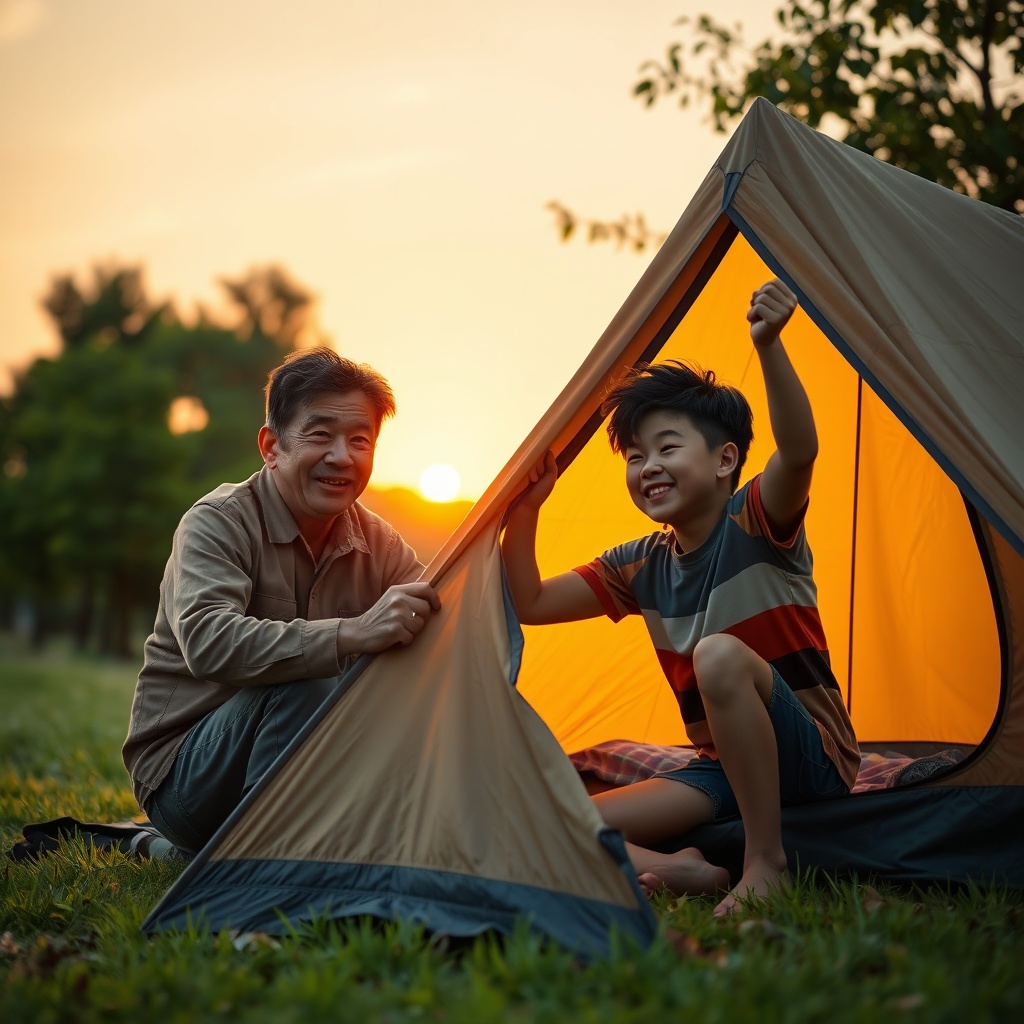
초보 캠퍼 아빠도 손쉽게 따라 할 수 있는 효율적인 캠핑 사이트 구축 A to Z! 복잡한 장비 없이도 나만의 아늑한 캠핑 공간을 만드는 노하우를 지금 바로 확인하세요.
안녕하세요, '아빠의 첫 캠핑 노트'를 쓰고 있는 50대 IT 기획 팀장, 초보 캠퍼 박아빠입니다! 😊 주말에 아이들과 어디 갈까 고민하다 캠핑의 매력에 푹 빠진지 벌써 1년이 되었네요. 막상 캠핑장에 도착하면 어디부터 손대야 할지 막막했던 경험, 저만 있는 건 아니겠죠? 😅 완벽한 계획을 세웠다고 자부했지만, 현장의 바람과 낯선 환경 앞에선 저도 영락없는 '초보 아빠'였지 뭐예요.
오늘은 캠핑장에 도착해서 우리 가족의 소중한 보금자리를 만드는 전 과정을 '체계적인 IT 기획'처럼 효율적인 순서로 정리해 봤어요. 저의 좌충우돌 실패담과 함께 얻은 실전 꿀팁들을 대방출할 테니, 캠핑에 막 발을 들이신 동료 초보 아빠들께 큰 도움이 되리라 믿습니다! 자, 그럼 우리만의 아늑한 캠핑 사이트를 함께 만들어볼까요? 🏕️✨
1단계: 캠핑장 도착! 어디에 자리를 잡아야 할까? 🗺️
캠핑장에 도착하면 가장 먼저 할 일은 바로 우리 가족이 편안하게 머무를 '명당'을 찾는 것입니다. 단순히 비어있는 곳에 주차하고 짐을 내리는 것부터 시작하면 나중에 후회할 일이 생길 수도 있어요. IT 기획에서 '요구사항 분석'만큼이나 중요한 단계랍니다! 제가 처음 캠핑 갔을 때, 아무 생각 없이 나무 그늘 아래에 텐트를 쳤다가 밤새 벌레떼의 습격을 받았던 기억이 나네요... 😱
다음 체크리스트를 활용해 보세요.
- 평탄한 지면: 가장 중요해요! 경사진 곳은 잠자리가 불편하고, 비가 오면 물이 텐트 안으로 들어올 수도 있습니다.
- 배수로 확인: 특히 장마철에는 배수가 잘 되는지 확인해야 침수 피해를 막을 수 있어요.
- 바람과 햇빛: 여름엔 시원한 그늘, 겨울엔 따뜻한 햇빛이 드는 곳이 좋습니다. 너무 바람이 강한 곳은 텐트 설치가 어렵고 위험할 수 있어요.
- 편의시설과의 거리: 화장실, 개수대 등 편의시설과 너무 멀어도 불편하고, 너무 가까워도 소음이 심할 수 있습니다. 적당한 거리를 유지하는 게 중요해요.
- 주변 소음: 너무 시끄러운 곳이나 차량 통행이 잦은 곳은 피하는 게 좋습니다.
캠핑장 배치도를 미리 확인하고, 방문자 리뷰를 찾아보면 명당 정보를 얻을 수 있습니다. 현장에서는 최종적으로 '발품'을 팔아 직접 눈으로 보고 결정하는 거죠. 마치 복잡한 시스템 아키텍처를 설계하는 것과 비슷해요!
2단계: 우리 가족의 베이스캠프 만들기! 텐트 설치 A to Z ⛺
자리를 잡았다면 이제 본격적으로 우리 가족의 '움직이는 집', 텐트를 설치할 차례입니다. 처음엔 설명서가 너무 복잡해서 몇 번이나 땀을 뻘뻘 흘렸는지 몰라요. 하지만 몇 번 해보니 이제는 거의 눈 감고도 할 수 있을 것 같네요! (물론 과장이 좀 섞였습니다🤣) 가장 중요한 건 정해진 순서를 지키는 것입니다.
2-1. 터 닦기 & 큰 그림 그리기 🗺️
- 바닥 정리: 텐트를 설치할 공간의 돌, 나뭇가지 등을 치워 바닥을 평평하게 만듭니다. 작은 돌멩이 하나가 밤새 등을 찌를 수 있어요!
- 그라운드시트 깔기: 텐트 바닥 보호와 습기 차단을 위해 그라운드시트를 텐트 크기에 맞춰 깔아줍니다.
- 텐트 본체 펼치기: 그라운드시트 위에 텐트 본체를 펼쳐 방향을 잡고 놓습니다. 이때 출입구 방향을 잘 고려해야 나중에 후회하지 않아요.
2-2. 텐트 뼈대 세우기 🛠️
- 폴대 연결: 텐트 설명서에 따라 폴대를 모두 연결합니다. 색상으로 구분된 폴대가 많으니 헷갈리지 않게 주의하세요.
- 폴대 슬리브에 끼우기: 연결된 폴대를 텐트 본체의 슬리브(구멍)에 끝까지 밀어 넣습니다. 이때 아이들과 함께하면 훨씬 재미있어요! (단, 위험하지 않게 supervised)
- 폴대 아일렛에 고정: 폴대 끝을 텐트 바닥 부분에 있는 아일렛(고리)에 끼워 고정하면 텐트의 뼈대가 세워집니다.
2-3. 안전하고 튼튼하게 고정하기! 팩다운 & 스트링 🔗
이 단계가 바로 IT 기획에서 '보안 및 안정성'을 확보하는 단계와 같습니다. 많은 초보 캠퍼들이 간과하는 부분이죠! 제가 첫 캠핑에서 간과했다가 강풍에 텐트가 뽑혀 날아갈 뻔했던 아찔한 경험이 있어요. (진짜 식겁했습니다!) 그때 이후로 팩다운의 중요성을 뼈저리게 깨달았답니다.
- 팩다운: 텐트 각 모서리의 고리에 팩(말뚝)을 박아 고정합니다. 이때 팩은 지면과 45~60도 각도로 비스듬히 박아야 잘 뽑히지 않습니다.
- 스트링(가이라인) 연결 및 고정: 텐트 본체나 플라이에 있는 스트링(끈)을 당겨서 추가적인 팩다운을 합니다. 이는 강풍에 텐트가 버티도록 도와주는 매우 중요한 안전장치입니다.
간혹 귀찮아서 팩다운을 대충하거나 생략하는 경우가 있는데, 갑작스러운 강풍에 텐트가 파손되거나 날아갈 수 있습니다. 가족의 안전을 위해 반드시 꼼꼼하게 팩다운하세요!
2-4. 플라이(Fly) 씌우기 ☀️☔
플라이는 텐트의 방수와 보온을 담당하는 외벽 시스템입니다. 마치 건물 외장재처럼 우리 집을 보호해 주는 거죠.
- 플라이를 텐트 본체 위에 덮고, 각 모서리나 중앙에 있는 고리를 본체나 폴대에 연결하여 고정합니다.
- 플라이도 스트링을 사용하여 팩다운하면 더욱 튼튼하게 고정할 수 있습니다.
3단계: 아늑한 보금자리 완성! 생활 공간 꾸미기 🔥
텐트 설치가 끝나면 이제 내부와 외부를 우리 가족만의 아늑한 공간으로 꾸밀 차례입니다. IT 기획에서 UI/UX 디자인만큼이나 중요한 과정이죠! 동선과 편의성을 고려해서 배치하는 게 핵심이에요.
- 텐트 내부 정리: 매트, 침낭, 베개 등 잠자리를 세팅하고, 옷가지나 개인 물품은 정리함에 넣어 깔끔하게 보관합니다.
- 주방/식사 공간: 텐트 출입구 근처나 타프 아래에 테이블과 의자를 배치하고, 조리 도구와 식료품을 놓아 주방 공간을 만듭니다. 바람의 방향과 다른 캠퍼에게 피해를 주지 않도록 유의하세요.
- 휴식/놀이 공간: 릴렉스 체어, 해먹 등을 설치하여 편안하게 쉴 수 있는 공간을 마련합니다. 아이들이 뛰어놀 수 있는 공간도 확보하면 좋겠죠.
- 조명 설치: 메인 랜턴, 감성 조명 등을 적절히 배치하여 밤에도 환하고 아늑한 분위기를 연출합니다.
예시: 아빠의 현장 배치 전략 📝
저는 보통 텐트-타프-주방-휴식의 순서로 동선을 구상해요.- 텐트는 바람의 영향을 덜 받는 쪽에, 출입구는 주방과 연결되도록.
- 타프는 햇빛과 비를 막아주는 메인 활동 공간.
- 주방은 조리 시 냄새나 연기가 텐트로 들어가지 않도록 바람을 등지고 배치.
- 휴식 공간은 주방과 약간 떨어져 편안함을 유지.
글의 핵심 요약: 캠핑 사이트 구축, 이것만 기억하세요! 📝
오늘 알아본 캠핑 사이트 구축 순서를 다시 한번 정리해 볼까요?
- 1단계: 명당 찾기 🕵️♂️ - 평탄하고 안전하며 편의시설과 적절한 거리를 둔 최적의 위치를 선정합니다.
- 2단계: 텐트 설치 ⛺ - 바닥 정리부터 폴대 연결, 팩다운, 플라이까지 순서대로 꼼꼼하게 진행합니다. 특히 팩다운은 생명과 직결됩니다!
- 3단계: 생활 공간 꾸미기 ✨ - 텐트 내부와 주방, 휴식 공간 등을 효율적인 동선으로 배치하고 조명으로 분위기를 더합니다.
캠핑은 단순히 텐트 치고 잠자는 활동이 아니라, 자연 속에서 가족과 교감하며 나만의 '시스템'을 구축하고 운영하는 과정과 비슷하더라고요. 처음엔 좀 서툴러도 괜찮아요. 저도 아직 실수투성이인 걸요! 중요한 건 경험을 통해 배우고, 나만의 캠핑 스타일을 찾아가는 즐거움 아닐까요? 😊
자주 묻는 질문 ❓
어떠세요? 캠핑 사이트 구축, 이제 더 이상 막연하게 느껴지지 않으시죠? 😊 처음이 가장 어려운 법! 몇 번의 경험이 쌓이면 어느새 전문가처럼 뚝딱뚝딱 사이트를 구축하는 자신을 발견하게 될 거예요. 저의 좌충우돌 스토리가 여러분의 첫 캠핑 여정에 작은 길잡이가 되었기를 바랍니다. 다음번엔 또 다른 캠핑 꿀팁으로 찾아올게요! 여러분의 즐거운 캠핑을 응원합니다! 🏕️🔥
A to Z guide for efficient campsite setup that even a beginner camper dad can easily follow! Discover tips for creating your cozy camping space without complicated gear.
Hello, this is 'Papa's First Camping Notes,' written by a 50s IT planning team leader and novice camper, Papa Park! 😊 It's already been a year since I fell in love with camping, trying to figure out where to go with my kids on weekends. I'm sure I'm not the only one who felt completely overwhelmed when first arriving at a campsite, wondering where to even begin, right? 😅 I prided myself on perfect planning, but faced with the wind and unfamiliar surroundings, I was just a 'rookie dad' myself.
Today, I've organized the entire process of building our family's precious sanctuary at the campsite into an efficient sequence, almost like 'systematic IT planning.' I'll be sharing my trial-and-error stories and hard-earned practical tips, so I believe this will be a great help to fellow beginner dads who are just starting their camping journey! So, shall we build our cozy campsite together? 🏕️✨
Step 1: Arriving at the Campsite! Where to Pitch? 🗺️
The first thing to do when you arrive at a campsite is to find the 'prime spot' where your family can comfortably stay. Just parking and unloading your gear in any empty space might lead to regrets later. This step is as crucial as 'requirements analysis' in IT planning! I remember pitching my tent thoughtlessly under a tree on my first camping trip, only to be attacked by a swarm of insects all night long... 😱
Try using the checklist below:
- Flat Ground: This is most important! A sloped area will make sleeping uncomfortable, and water might enter your tent if it rains.
- Drainage Check: Especially during the rainy season, checking for good drainage can prevent your tent from flooding.
- Wind and Sunlight: In summer, a cool shaded spot is good, while in winter, a warm sunny spot is better. A place with too strong winds can make tent setup difficult and dangerous.
- Proximity to Facilities: Being too far from restrooms or washing areas can be inconvenient, but being too close can mean excessive noise. Maintaining an appropriate distance is key.
- Surrounding Noise: It's best to avoid overly noisy areas or those with frequent vehicle traffic.
You can get information on prime spots by checking the campsite layout in advance and looking up visitor reviews. On-site, you ultimately make the decision by 'scouting' and seeing it with your own eyes. It's similar to designing a complex system architecture!
Step 2: Building Our Family's Base Camp! Tent Setup A to Z ⛺
Once you've found your spot, it's time to set up our family's 'moving home,' the tent. At first, the instructions were so complicated that I broke into a sweat several times. But after doing it a few times, I feel like I could almost do it with my eyes closed! (Of course, that's a slight exaggeration 🤣) The most important thing is to follow the prescribed order.
2-1. Site Preparation & Visualizing the Big Picture 🗺️
- Ground Clearance: Clear rocks, branches, and other debris from the area where you'll pitch the tent to make the ground flat. Even a small stone can poke you all night!
- Lay the Groundsheet: To protect the tent floor and prevent moisture, lay a groundsheet sized to your tent.
- Unfold the Tent Body: Lay out the tent body on the groundsheet, orienting it correctly. Be sure to consider the direction of the entrance to avoid regrets later.
2-2. Erecting the Tent Frame 🛠️
- Connect Poles: Connect all the poles according to the tent's instructions. Many poles are color-coded, so be careful not to get confused.
- Insert Poles into Sleeves: Push the connected poles all the way into the sleeves (tunnels) on the tent body. It's much more fun to do this with kids! (But ensure they are supervised and safe).
- Secure Poles to Eyelets: Insert the ends of the poles into the eyelets (loops) on the tent's base to erect the tent's frame.
2-3. Securing Safely and Sturdily! Pegging Down & Guy Lines 🔗
This step is equivalent to ensuring 'security and stability' in IT planning. Many beginner campers overlook this part! I had a terrifying experience on my first camping trip where I neglected this and my tent almost got ripped out and flew away in a strong gust of wind. (It truly scared me!) Since then, I've deeply understood the importance of pegging down.
- Pegging Down: Drive pegs (stakes) into the ground through the loops at each corner of the tent. The pegs should be driven in at a 45-60 degree angle to the ground to prevent them from pulling out easily.
- Connect and Secure Guy Lines: Pull taut the guy lines (ropes) attached to the tent body or fly and peg them down additionally. This is a very important safety measure that helps the tent withstand strong winds.
Sometimes, people skip or do a sloppy job of pegging down out of laziness, but sudden strong winds can damage or blow away your tent. Be sure to peg down thoroughly for your family's safety!
2-4. Attaching the Fly (Rainfly) ☀️☔
The fly is the outer wall system that provides waterproofing and insulation for your tent. It protects our home just like a building's exterior cladding.
- Drape the fly over the tent body and secure the loops at each corner or center to the tent body or poles.
- You can also use guy lines to peg down the fly for even stronger security.
Step 3: Completing Your Cozy Haven! Setting Up the Living Space 🔥
Once the tent is set up, it's time to transform the interior and exterior into your family's cozy space. This process is as important as UI/UX design in IT planning! The key is to arrange things considering flow and convenience.
- Tent Interior Organization: Set up sleeping arrangements with mats, sleeping bags, and pillows, and store clothes or personal items neatly in organizers.
- Kitchen/Dining Area: Place tables and chairs near the tent entrance or under a tarp, and set up cooking utensils and food items to create a kitchen space. Be mindful of wind direction and avoid bothering other campers.
- Relaxation/Play Area: Set up relaxation chairs, hammocks, etc., to create a comfortable space for resting. It's also good to secure an area for children to play.
- Lighting Setup: Strategically place main lanterns and mood lighting to create a bright and cozy atmosphere at night.
Example: Papa's On-Site Layout Strategy 📝
I usually plan the flow in the order of Tent - Tarp - Kitchen - Relaxation.- Place the tent on the side less affected by wind, with the entrance connecting to the kitchen area.
- The tarp serves as the main activity area, blocking sun and rain.
- Position the kitchen with the wind at your back to prevent smells or smoke from entering the tent.
- Keep the relaxation area slightly separate from the kitchen for comfort.
Key Summary of the Post: Remember These for Campsite Setup! 📝
Let's summarize the campsite setup sequence we've learned today:
- Step 1: Find the Prime Spot 🕵️♂️ - Select the optimal location that is flat, safe, and at an appropriate distance from facilities.
- Step 2: Tent Setup ⛺ - Proceed carefully, from ground preparation to pole connection, pegging down, and attaching the fly. Pegging down, in particular, is critical for safety!
- Step 3: Decorate Your Living Space ✨ - Arrange the tent interior, kitchen, and relaxation areas with an efficient flow and add lighting for ambiance.
Camping isn't just about pitching a tent and sleeping; it's similar to building and operating your own 'system' while connecting with family in nature. It's okay to be a bit clumsy at first. I'm still full of mistakes myself! What's important is the joy of learning through experience and finding your own camping style, don't you think? 😊
Frequently Asked Questions ❓
What do you think? Does campsite setup no longer feel so daunting? 😊 The first time is always the hardest! With a few more experiences, you'll find yourself setting up your site like a pro in no time. I hope my trial-and-error stories have provided a small guide for your first camping journey. I'll be back with more camping tips next time! I wish you all happy camping! 🏕️🔥
댓글
댓글 쓰기