[History] 2. 보라색을 훔친 화학자: 왕족의 색을 서민에게 돌려준 우연한 실수 (The Chemist Who Stole Purple: An Accidental Discovery That Brought a Royal Color to the Masses)
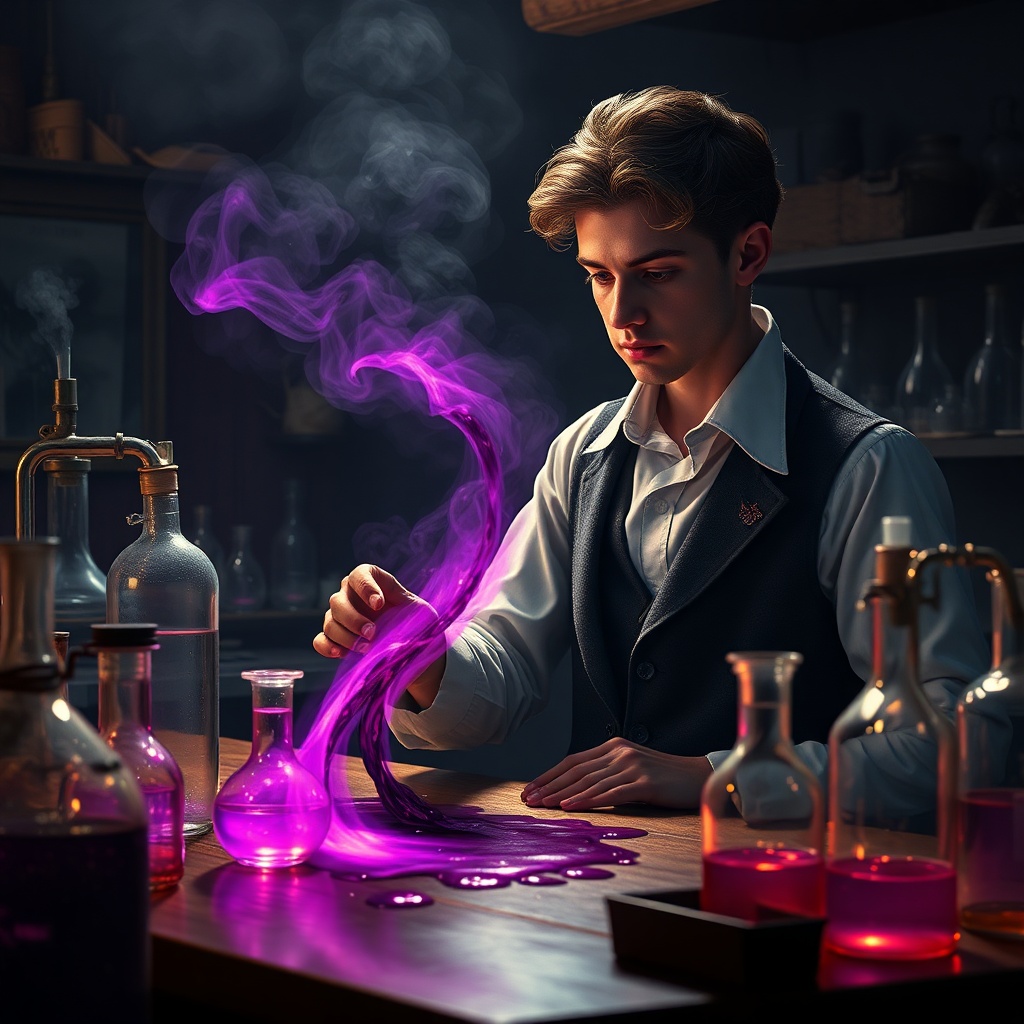
여러분, 혹시 '보라색' 하면 어떤 이미지가 떠오르시나요? 🤔 흔히 신비롭고, 고귀하며, 때로는 우아한 색으로 여겨지곤 합니다. 실제로 고대부터 보라색은 염료를 얻기 매우 어려웠기에 왕족이나 귀족 등 소수만이 누릴 수 있는 특권의 상징이었죠. 하지만 놀랍게도, 이 특권의 색이 한순간에 대중의 것이 된 사건이 있습니다. 그것도 18세의 한 '천재 소년'이 '실수'로 말라리아 치료제를 개발하려다 벌어진 일이라면 믿으시겠어요? 📜 오늘은 역사의 물줄기를 돌린 그 보라빛 파동, 바로 세계 최초의 합성 염료 모베인(Mauveine)의 탄생 비화와 그 파급 효과를 따라가 볼까 합니다. 💥
사건의 서막: 18세 소년의 위대한 좌절 🧪
이야기는 1856년, 런던 동부의 한 허름한 연구실에서 시작됩니다. 당시 18세였던 윌리엄 퍼킨은 재능 있는 화학도였습니다. 그의 스승이자 세계적인 화학자였던 아우구스트 빌헬름 폰 호프만의 지도를 받으며, 퍼킨은 당시 인류를 괴롭히던 치명적인 질병인 말라리아를 치료할 '인공 퀴닌'을 합성하는 거대한 목표를 가지고 있었습니다. 이는 과학자로서의 명예뿐만 아니라, 인류를 구원하겠다는 숭고한 열망이 담긴 도전이었죠. 방학 동안 집에서 꾸린 초라한 실험실에서, 퍼킨은 석탄 타르에서 추출한 아닐린을 가지고 수많은 실험을 거듭했습니다. 그의 눈빛은 지친 기색 없이 오직 성공만을 갈망하고 있었습니다.
인물 탐구: 윌리엄 퍼킨 (William Perkin, 1838-1907) 📜
✔ 직업: 화학자, 발명가, 사업가
✔ 주요 업적: 세계 최초의 합성 염료 '모베인' 발견 (1856년), 현대 화학 산업의 초석을 다짐.
✔ 특징: 18세의 나이에 획기적인 발견을 이룸. 순수 과학적 호기심과 사업적 통찰력을 겸비.
뜻밖의 선물: 보라색 염료의 탄생 🎨
하지만 역사는 예상치 못한 방향으로 흐르기 마련입니다. 퀴닌 합성에 실패한 퍼킨은 실험용 플라스크 바닥에 남은 지저분한 검은색 찌꺼기를 발견했습니다. 대부분의 과학자라면 대수롭지 않게 여기고 버렸을 테죠. 그러나 퍼킨은 달랐습니다. 그의 예리한 직관은 이 볼품없는 잔해 속에 무언가 특별한 것이 숨겨져 있음을 감지했습니다. 그는 이 찌꺼기를 알코올에 넣어 씻어보았고, 그 순간, 플라스크 안에서 믿을 수 없을 정도로 아름답고 선명한 보라색 용액이 피어오르는 것을 목격했습니다. 💥
이것이 바로 인류 역사상 최초의 합성 염료, 모베인(Mauveine)이었습니다. 퀴닌을 만들려던 실험은 실패했지만, 그 실패 속에서 전혀 새로운 세계가 열린 것이죠. 퍼킨은 이 색소를 직물에 염색해보았고, 그 결과는 경이로웠습니다. 햇빛에도 잘 바래지 않고, 선명한 보라색을 띠는 이 염료는 기존의 천연 염료로는 상상할 수 없는 품질을 자랑했습니다. 이 우연한 발견은 단순한 화학적 호기심을 넘어, 산업 혁명과 맞물려 세상을 바꿀 거대한 파급력을 지니게 됩니다.
모베인 이전의 염료는 대부분 식물(쪽, 꼭두서니 등)이나 동물(연지벌레, 소라 고둥 등)에서 추출한 천연 염료였습니다. 이들은 생산량이 적고, 색상이 제한적이며, 염색 과정이 복잡하고 비쌌습니다. 특히 보라색을 내는 '티리언 퍼플'은 소라 고둥 수만 마리에서 겨우 1그램을 얻을 수 있어 금보다 비쌌습니다. 퍼킨의 모베인은 이러한 한계를 단번에 뛰어넘어, 대량 생산이 가능하고 저렴하며 선명한 색상을 제공함으로써 '색깔의 민주화'를 이끌어냈습니다.
왕족의 색이 대중에게로: 패션 혁명의 시작 👗
퍼킨은 이 기회를 놓치지 않았습니다. 그는 곧바로 염료 생산 공장을 설립하고 모베인을 대중에게 선보였습니다. 처음에는 다소 회의적인 시각도 있었지만, 이내 모베인의 선명함과 저렴함은 패션계를 강타했습니다. 특히 빅토리아 여왕이 이 모베인으로 염색된 실크 드레스를 입고 대중 앞에 나타나자, 보라색은 순식간에 영국 전역을 넘어 유럽, 그리고 전 세계 패션계의 '트렌드 색깔'이 되었습니다. 이제 왕족만이 누리던 보라색은 일반 서민들도 쉽게 접하고 즐길 수 있는 색이 되었죠.
모베인의 성공은 단순한 패션 트렌드를 넘어섰습니다. 이는 산업 전반에 걸쳐 혁명적인 변화를 예고하는 신호탄이었습니다. 염료 산업은 급성장했고, 수많은 화학자들이 새로운 합성 염료를 개발하기 위해 뛰어들었습니다. 이는 곧 다른 분야의 합성 물질 연구에도 영향을 미쳤고, 궁극적으로 현대 화학 산업의 거대한 흐름을 만들어내는 계기가 되었습니다. 한 소년의 우연한 '실수'가 일으킨 나비효과였던 셈입니다.
퍼킨의 발견이 순수한 우연이라고만 볼 수는 없습니다. 사실 이전에도 아닐린에서 보라색 염료가 나오는 현상을 본 화학자들이 있었지만, 이를 유용하게 활용할 생각을 하지 못했습니다. 퍼킨은 단순한 관찰에서 그치지 않고, 그 물질의 상업적 가치와 잠재력을 꿰뚫어 본 통찰력과, 이를 실제로 제품화하고 사업화하려는 실행력을 겸비했기에 위대한 '발명가'로 기록될 수 있었습니다.
세계를 바꾼 보라빛 파동: 현대 화학 산업의 기원 🌍
윌리엄 퍼킨의 모베인 발명은 단순히 염료 산업에만 영향을 미친 것이 아닙니다. 그의 성공은 유기 화학 분야에 대한 전례 없는 투자를 이끌었고, 이는 곧 새로운 의약품, 농약, 플라스틱 등 다양한 합성 물질의 개발로 이어졌습니다. 말라리아 치료제를 만들려던 그의 원래 목표는 비록 직접적으로는 달성되지 못했지만, 그 과정에서 탄생한 화학 산업의 발전은 궁극적으로 인류의 건강과 삶의 질을 향상시키는 데 지대한 영향을 미쳤습니다. 그는 말 그대로 '보라색을 훔쳐' 서민들에게 돌려주었고, 그 대가로 현대 화학 산업이라는 거대한 선물을 인류에게 안겨주었습니다.
| 모베인 발명의 파급 효과 💫 |
|---|
| 1. 염료 산업의 혁신: 고가의 천연 염료 시대 종식, 대량 생산 및 저렴한 합성 염료 시대 개막. |
| 2. 유기 화학의 발전 가속화: 새로운 유기 화합물 탐색 및 합성 연구 폭증, 화학 공업의 토대 마련. |
| 3. 제약 산업의 태동: 염료 연구 과정에서 얻은 지식이 의약품 개발로 이어지는 계기 제공. (예: 아스피린, 설파제 등) |
| 4. 패션과 문화의 대중화: 색상이 대중에게 개방되며 패션의 민주화 촉진, 대중문화의 발전 기여. |
자주 묻는 질문 (FAQ) 🙋♀️
Q1: 모베인 이전에는 보라색을 어떻게 만들었나요?
A1: 고대부터 보라색은 주로 '티리언 퍼플(Tyrian Purple)'이라는 염료로 만들어졌습니다. 이는 지중해에 서식하는 특정 소라 고둥(Murex)에서 추출했는데, 매우 희귀하고 생산 과정이 복잡하여 소량의 염료를 얻기 위해 수만 마리의 고둥이 필요했습니다. 이 때문에 티리언 퍼플은 금보다 비쌀 정도로 값비쌌으며, 오직 황제나 왕족 등 최상위 계층만이 사용할 수 있었습니다.
Q2: 윌리엄 퍼킨은 모베인 발명 이후 어떤 삶을 살았나요?
A2: 퍼킨은 모베인 발명 후 직접 염료 공장을 설립하여 큰 성공을 거두었습니다. 그는 36세에 사업에서 은퇴하여 남은 생을 순수 화학 연구에 바쳤으며, 다른 중요한 유기 화합물과 염료를 발견하기도 했습니다. 그의 삶은 과학적 호기심과 사업적 수완이 어떻게 인류 발전에 기여할 수 있는지를 보여주는 좋은 예시입니다.
Q3: 모베인 발명이 현대 사회에 미친 가장 큰 영향은 무엇인가요?
A3: 모베인은 단순히 색깔의 대중화를 넘어, 현대 유기 화학 산업의 시발점이 되었다는 점이 가장 큰 영향입니다. 이 발견을 계기로 석탄 타르를 이용한 다양한 합성 물질 연구가 활발해졌고, 이는 제약, 플라스틱, 비료 등 수많은 현대 산업의 근간을 이루는 유기 화학 분야의 폭발적인 발전을 가져왔습니다. 퍼킨의 '실수'가 없었다면 우리의 삶은 지금과는 많이 달랐을 것입니다.
이처럼 역사는 때때로 거창한 계획이 아닌, 작은 우연과 한 개인의 탁월한 통찰력에 의해 전혀 다른 방향으로 흐르곤 합니다. 윌리엄 퍼킨의 이야기는 우리에게 ‘실패’ 속에서도 새로운 가능성을 발견하고, 그 가능성을 현실로 만들 용기가 얼마나 중요한지 다시 한번 일깨워줍니다. 만약 퍼킨이 그 지저분한 찌꺼기를 그냥 버렸다면, 우리는 지금처럼 다채로운 색상의 옷을 입지 못했을지도 모릅니다. 여러분이 알고 있는 또 다른 '역사의 조연'이 있다면 댓글로 알려주세요! 😊
English Version 🇬🇧
Friends, what image comes to mind when you think of 'purple'? 🤔 It's often seen as a mystical, noble, and sometimes elegant color. Indeed, since ancient times, obtaining purple dye was extremely difficult, making it a symbol of privilege enjoyed only by a select few, such as royalty and aristocrats. But surprisingly, there's an event where this privileged color suddenly became accessible to the masses. Would you believe it happened when an 18-year-old 'prodigy' accidentally tried to develop a malaria cure? 📜 Today, we'll follow the purple wave that redirected the course of history: the untold story of the birth of the world's first synthetic dye, Mauveine, and its far-reaching effects. 💥
The Prologue: An 18-Year-Old's Great Frustration 🧪
The story begins in 1856, in a humble laboratory in East London. William Perkin, then 18, was a talented chemistry student. Under the guidance of his mentor, the renowned chemist August Wilhelm von Hofmann, Perkin had a grand goal: to synthesize 'artificial quinine' to treat malaria, a deadly disease plaguing humanity at the time. This was a challenge driven not only by scientific ambition but also by a noble desire to save humankind. In a modest makeshift lab at home during his vacation, Perkin conducted countless experiments with aniline extracted from coal tar. His eyes, devoid of fatigue, yearned only for success.
Figure Focus: William Perkin (1838-1907) 📜
✔ Occupation: Chemist, Inventor, Entrepreneur
✔ Major Achievement: Discovery of the world's first synthetic dye, 'Mauveine' (1856), laying the groundwork for the modern chemical industry.
✔ Characteristics: Made a groundbreaking discovery at the age of 18. Possessed both pure scientific curiosity and business acumen.
An Unexpected Gift: The Birth of the Purple Dye 🎨
But history often flows in unexpected directions. Having failed to synthesize quinine, Perkin found a messy black residue at the bottom of his experimental flask. Most scientists would have dismissed it as insignificant and discarded it. But Perkin was different. His keen intuition sensed something special hidden within this unappealing remnant. He tried washing the residue with alcohol, and at that moment, he witnessed an incredibly beautiful and vibrant purple solution emerge within the flask. 💥
This was Mauveine, the first synthetic dye in human history. The experiment to create quinine failed, but from that failure, an entirely new world opened up. Perkin dyed fabric with this colorant, and the result was astonishing. This dye, which didn't fade easily in sunlight and displayed a vivid purple, boasted a quality unimaginable with existing natural dyes. This accidental discovery transcended mere chemical curiosity, intertwining with the Industrial Revolution to wield immense power capable of changing the world.
Before Mauveine, most dyes were natural, extracted from plants (like indigo, madder) or animals (like cochineal, murex snails). They were scarce, limited in color, and their dyeing processes were complex and expensive. Especially 'Tyrian Purple', which produced the color purple, was so costly it was more expensive than gold, as tens of thousands of murex snails were needed to obtain just one gram. Perkin's Mauveine overcame these limitations at once, enabling mass production, offering affordable and vivid colors, and leading to the 'democratization of color'.
From Royal Color to the Masses: The Dawn of a Fashion Revolution 👗
Perkin seized this opportunity. He immediately established a dye manufacturing plant and introduced Mauveine to the public. Initially, there was some skepticism, but soon, Mauveine's vibrancy and affordability took the fashion world by storm. Especially when Queen Victoria appeared in public wearing a silk dress dyed with Mauveine, purple quickly became the 'trendy color' across Britain, then Europe, and eventually the entire world of fashion. The color purple, once enjoyed only by royalty, now became accessible and enjoyable for ordinary people.
The success of Mauveine went beyond a simple fashion trend. It signaled a revolutionary change across all industries. The dye industry grew rapidly, and countless chemists rushed to develop new synthetic dyes. This, in turn, influenced research into other synthetic materials and ultimately created the massive current of the modern chemical industry. It was a butterfly effect triggered by a young boy's accidental 'mistake'.
Perkin's discovery cannot be seen as pure accident alone. In fact, other chemists had previously observed the phenomenon of purple dye appearing from aniline but failed to see its practical utility. Perkin didn't stop at mere observation; he possessed the insight to grasp the commercial value and potential of the substance, and the executive ability to commercialize and market it. This is why he is recorded as a great 'inventor'.
The Purple Wave That Changed the World: The Origin of Modern Chemical Industry 🌍
William Perkin's discovery of Mauveine didn't just impact the dye industry. His success led to unprecedented investment in organic chemistry, which in turn led to the development of various synthetic materials like new medicines, pesticides, and plastics. Although his original goal of creating a malaria cure was not directly achieved, the advancement of the chemical industry born from that process ultimately had a profound impact on improving human health and quality of life. He literally 'stole purple' and gave it back to the common people, and in return, bestowed upon humanity the immense gift of the modern chemical industry.
| The Ripple Effect of Mauveine's Invention 💫 |
|---|
| 1. Revolution in the Dye Industry: End of expensive natural dye era, beginning of mass-produced, affordable synthetic dye era. |
| 2. Accelerated Development of Organic Chemistry: Explosion in research for new organic compounds and synthesis, laying the foundation for the chemical industry. |
| 3. Genesis of the Pharmaceutical Industry: Knowledge gained from dye research provided a catalyst for pharmaceutical development (e.g., Aspirin, sulfa drugs). |
| 4. Democratization of Fashion and Culture: Colors became accessible to the public, promoting the democratization of fashion and contributing to the development of popular culture. |
Frequently Asked Questions (FAQ) 🙋♀️
Q1: How was purple made before Mauveine?
A1: Since ancient times, purple was primarily made using a dye called 'Tyrian Purple'. This was extracted from specific murex snails found in the Mediterranean Sea. It was extremely rare and the production process was complex, requiring tens of thousands of snails to obtain just a small amount of dye. Because of this, Tyrian Purple was more expensive than gold, and could only be used by the highest echelons, such as emperors and royalty.
Q2: What kind of life did William Perkin lead after discovering Mauveine?
A2: After discovering Mauveine, Perkin established his own dye factory and achieved great success. At the age of 36, he retired from business to dedicate the rest of his life to pure chemical research, discovering other important organic compounds and dyes. His life serves as an excellent example of how scientific curiosity combined with business acumen can contribute to human progress.
Q3: What was the biggest impact of Mauveine's discovery on modern society?
A3: Mauveine's greatest impact was not just the popularization of color, but its role as the starting point for the modern organic chemical industry. This discovery stimulated extensive research into various synthetic materials using coal tar, which led to the explosive development of organic chemistry, forming the basis of numerous modern industries such as pharmaceuticals, plastics, and fertilizers. Our lives would be very different today without Perkin's 'mistake'.
History, in this way, sometimes flows in an entirely different direction, not by grand plans but by small accidents and an individual's extraordinary insight. William Perkin's story reminds us once again how crucial it is to discover new possibilities even in 'failure' and to have the courage to turn those possibilities into reality. If Perkin had simply thrown away that messy residue, we might not be wearing clothes with such diverse colors today. If you know of any other 'unsung heroes of history', please share them in the comments! 😊
댓글
댓글 쓰기